

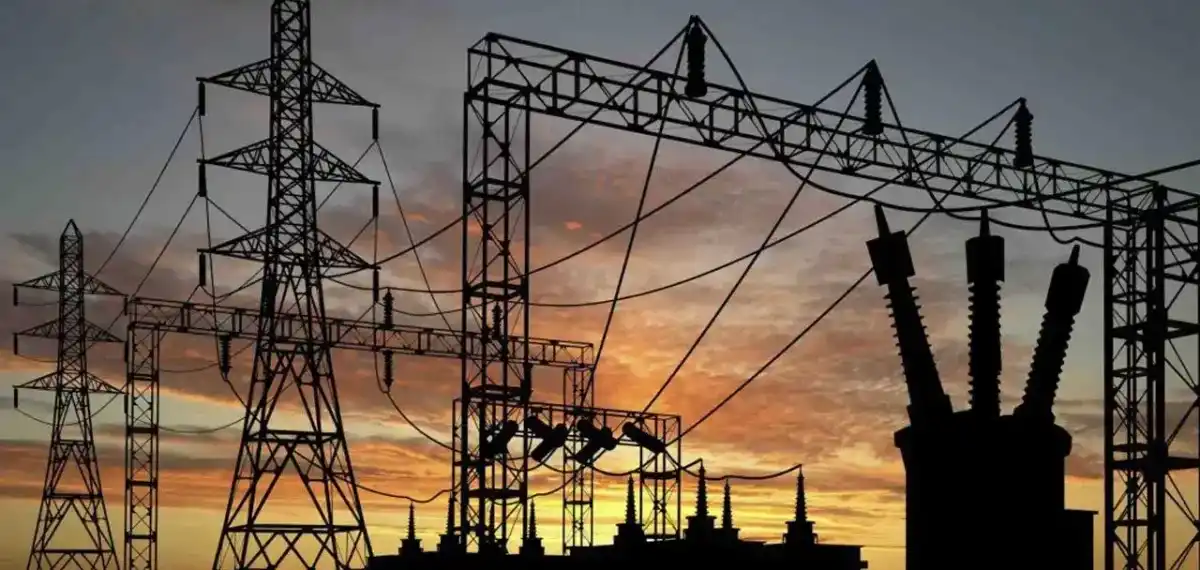
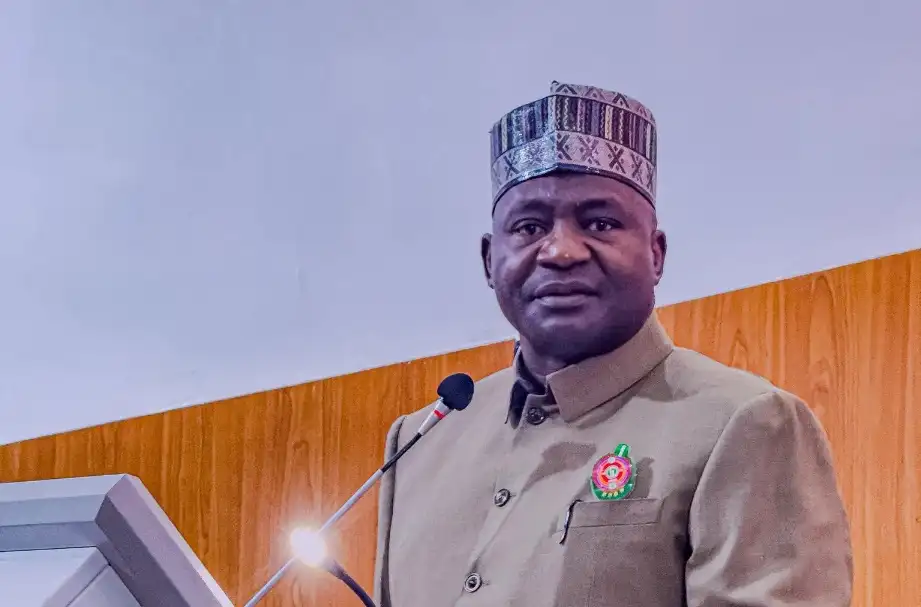
The resignation of Nigeria’s Minister of Power has reignited a long standing debate about the country’s electricity crisis and its implications for economic development. In a nation where unreliable power has become routine, the departure of a key official is more than a political event. It is a reminder of a structural challenge that continues to limit growth and productivity.
Electricity remains the foundation of modern economies, shaping whether industries expand or struggle to survive. Yet in Nigeria, persistent power inility has forced businesses and households to rely on costly alternatives. From small scale manufacturers to hospitals and digital startups, daily operations are often disrupted by inconsistent supply.

Despite vast natural gas reserves and significant human capital, the country has not translated its energy potential into le electricity. This disconnect highlights deeper issues beyond infrastructure, including policy inconsistency, governance gaps, and weak coordination across institutions.
The broader economic impact is difficult to ignore. High energy costs reduce competitiveness, discourage investment, and limit job creation. Entrepreneurs and sed workers face constraints not because of lack of ideas or demand, but because the systems needed to support productivity remain unreliable.
The resignation presents a critical moment for reflection. Leadership ces in such a vital sector should not be treated as routine replacements. Instead, they offer an opportunity to reassess whether current strategies are sufficient or whether a more fundamental shift is required.
Globally, the link between le electricity and industrial growth is well elished. Countries that achieve sustained development do so by ensuring reliable power that supports large scale production and innovation. Nigeria’s continued struggles suggest that incremental reforms may no longer be enough.
What follows this transition will signal the government’s direction. The key question is whether the next phase will maintain existing approaches or pursue deeper structural reforms that place electricity at the center of national planning.
Ultimately, the issue extends beyond power supply. It touches on economic possibility itself. Without reliable electricity, ambition remains constrained and development incomplete.

















Leave a comment