

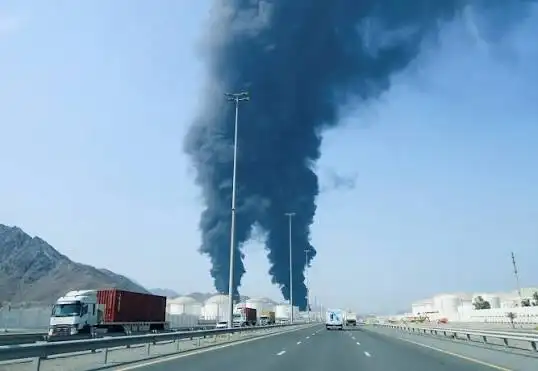
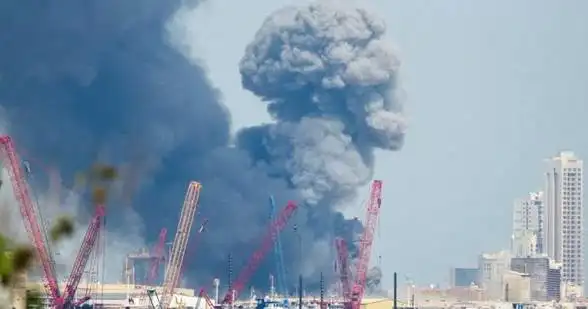
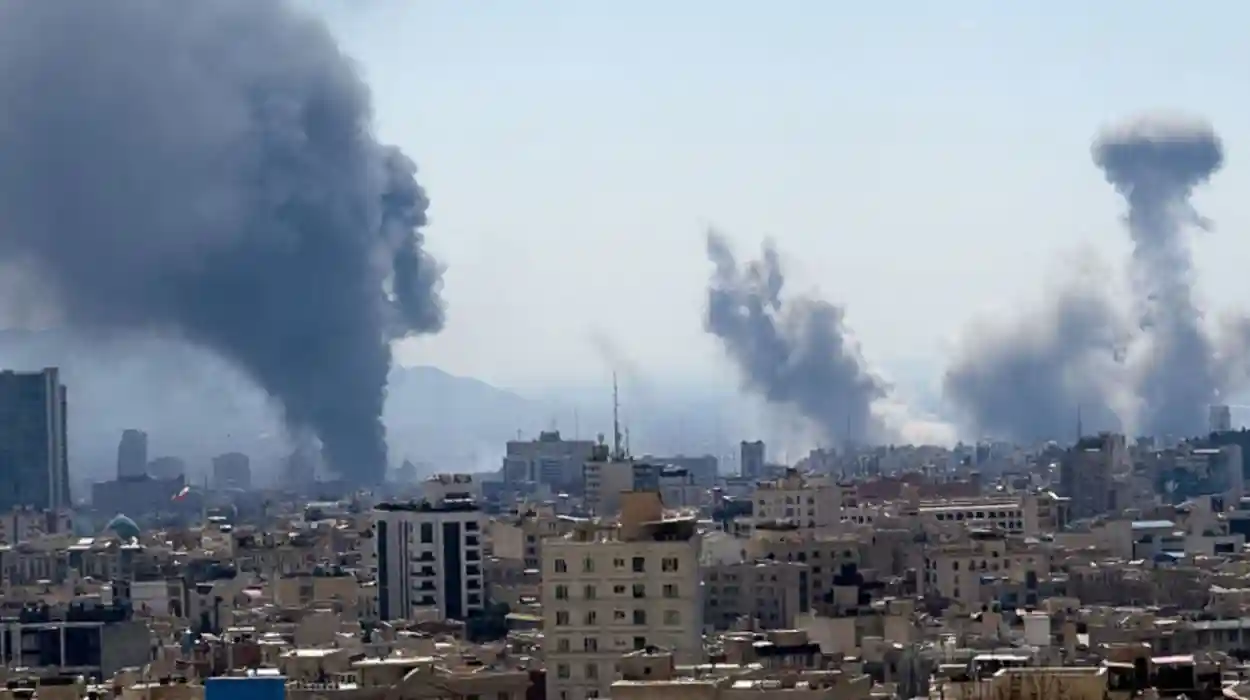
Oil logistics across the Gulf region have been further disrupted after drone activity near Port of Fujairah forced authorities to tighten security measures around one of the region’s most important energy hubs. The port serves as a key storage and refueling center for crude oil and refined petroleum products moving through global markets. Following the incident, port operations slowed significantly as officials assessed the situation and implemented additional safety procedures to protect vessels, storage facilities, and nearby infrastructure.
The port of Fujairah occupies a strategic position outside the Strait of Hormuz, making it one of the few major Gulf export terminals that can operate without requiring tankers to travel through the narrow waterway. Because of this geographic advantage, the facility has become an essential link in regional energy supply chains. Large storage tanks and bunkering facilities at the port normally handle millions of barrels of oil products destined for markets in Asia, Europe, and Africa.

Following the incident, port authorities temporarily restricted vessel movement while security teams inspected surrounding areas for potential hazards. Energy companies and shipping operators were instructed to delay cargo loading operations until safety checks were completed. The precautionary measures created a backlog of tankers waiting offshore, adding to the broader logistical challenges already affecting Gulf oil transport during the ongoing regional conflict.
Industry analysts say disruptions at Fujairah have wider implications for global energy supply because the port functions as a central redistribution hub for oil cargoes moving across international trade routes. Many tankers refuel or transfer cargo at the facility before continuing toward distant markets. When operations slow or stop, shipping schedules are quickly affected, causing delays that ripple through the global supply chain.
Energy experts warn that repeated disruptions at critical logistics hubs could further strain oil markets already dealing with reduced supply and elevated transport risks. Governments and maritime security agencies are increasing monitoring efforts around major ports and shipping corridors in the region. Until regional tensions ease and security conditions improve, analysts say oil logistics networks in the Gulf may continue facing significant operational challenges.

















Leave a comment