


Diplomatic momentum surrounding the escalating crisis between the United States and Iran has slowed significantly as Washington signals that it is not prepared to enter direct negotiations at this stage. Officials in the United States government say current conditions do not support meaningful dialogue, emphasizing that security concerns and regional tensions must first be addressed before any diplomatic process can begin.
Statements from senior American officials indicate that the administration believes negotiations would be premature while military and security incidents continue across the region. According to policy advisers, Washington’s priority remains protecting regional allies and maintaining secure international shipping routes. The United States has also emphasized that any future talks would require clear assurances that hostile activities targeting regional infrastructure and commercial vessels would cease.
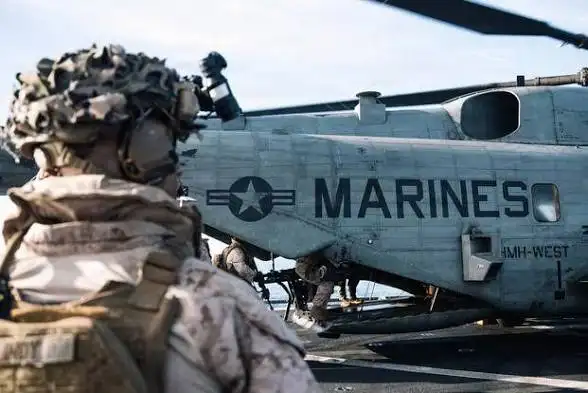
Iranian authorities have repeatedly called for an end to military pressure from the United States and its partners as a condition for renewed diplomatic engagement. Iranian officials argue that meaningful discussions cannot occur while strategic facilities and national interests remain under threat. The dispute has left diplomatic channels largely inactive, with both sides maintaining firm positions that limit opportunities for immediate compromise.
International mediators have attempted to encourage dialogue between the two governments, but progress has remained limited. Several countries in Europe and Asia have privately urged both sides to reopen negotiations to prevent further regional escalation. Analysts say the current stalemate reflects deep mistrust that has developed over years of confrontation and competing security interests in the Middle East.
Despite the stalled diplomacy, observers note that informal communication channels often remain active even during periods of heightened tension. Experts in international relations suggest that behind the scenes discussions could eventually help create conditions for future negotiations. For now, however, the absence of direct talks underscores the uncertainty surrounding the crisis and the challenges facing diplomatic efforts to ease tensions in the region.














Leave a comment