

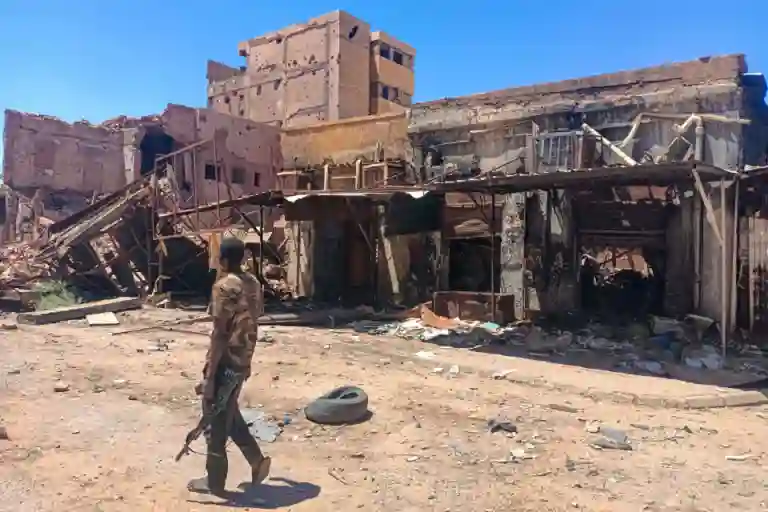
After three years of relentless fighting, Sudan stands at the precipice of complete collapse as warring factions show no signs of backing down from a conflict that has created the world’s largest humanitarian catastrophe. Recent military gains by the Sudanese army, including the recapture of a critical highway linking the capital Khartoum to the besieged city of El Obeid, offer a glimmer of tactical progress but do little to address the fundamental question now haunting international observers and millions of displaced Sudanese civilians alike: what will it actually take to stop this war?
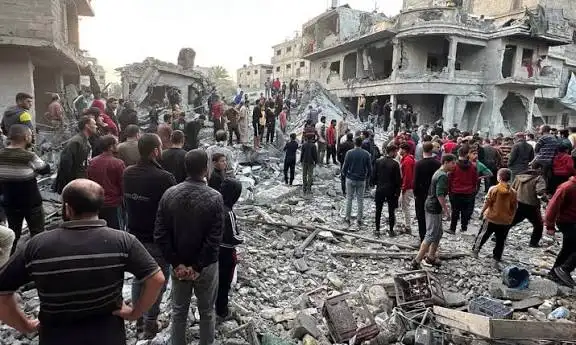
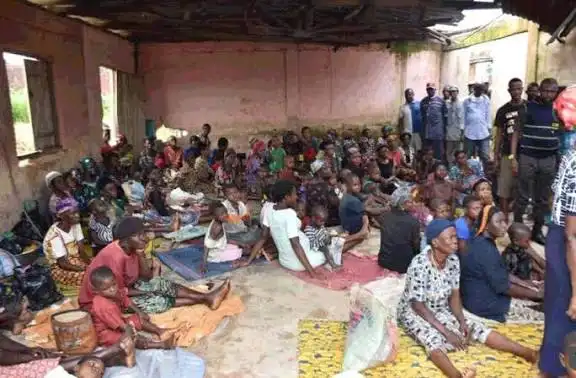
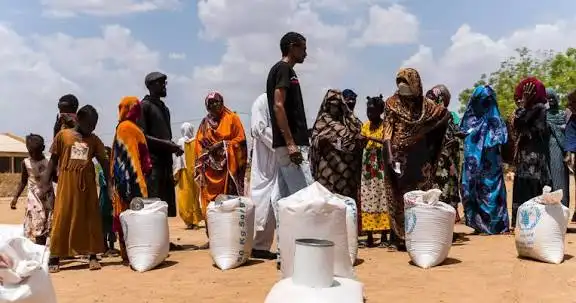
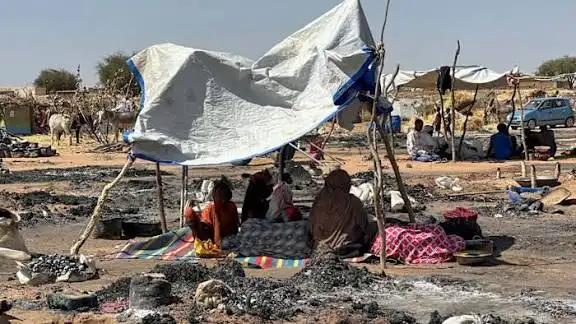
The staggering human toll defies comprehension. More than 13 million people have been forced from their homes, tens of thousands of civilians have been ed, and over half the country’s population now requires humanitarian assistance just to survive. The battle between the Sudanese Armed Forces and the paramilitary Rapid Support Forces has systematically dismantled what remained of Sudan’s fragile infrastructure, leaving the healthcare system in ruins and millions of children unable to attend school. Both sides stand accused of war crimes and systematic abuses against civilians, accusations that have done nothing to slow the violence.
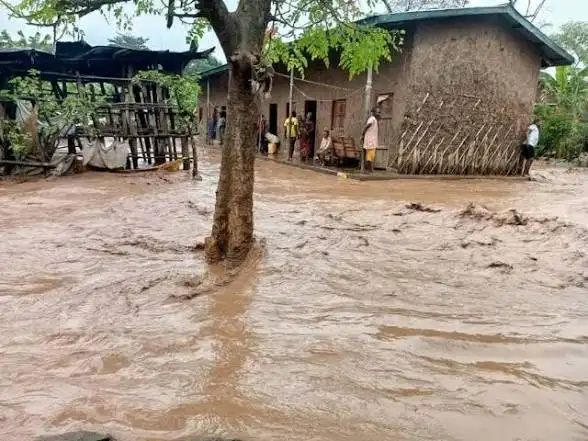
El Obeid has emerged as the latest flashpoint in this grinding war of attrition. Hundreds of thousands of people remain trapped in the city, which has been under siege by RSF paramilitaries despite recent army advances in retaking the highway connecting it to Khartoum. While military strategists suggest this development could weaken the RSF’s operational capabilities and supply lines, humanitarian workers on the ground warn that the civilians caught in the crossfire remain in mortal danger regardless of which faction controls which road or checkpoint.
Sanosi Zakaria, editor in chief of the Sudan Mirror and a former Sudanese army officer, has been among the voices calling for a fundamental shift in how the international community approaches the crisis. Shashwat Saraf, serving as Sudan country director for the Norwegian Refugee Council, has witnessed firsthand the deteriorating conditions facing displaced populations across the country. Sudan analyst Elbashir Idris has documented the complex political and tribal dynamics that continue to fuel the conflict even as the humanitarian situation spirals beyond what aid organizations can meaningfully address.
International mediation efforts have repeatedly stalled, hampered by the intransigence of both military factions and the regional power dynamics that have turned Sudan into a proxy battleground for competing interests. Previous ceasefire agreements have collapsed within days or even hours of being announced, undermined by mutual distrust and the calculated belief on both sides that outright military victory remains achievable. Neither the army nor the RSF has shown genuine willingness to make the political compromises that any sustainable peace agreement would necessarily require.
As the conflict grinds into its fourth year, the international community faces an uncomfortable reckoning about its capacity and willingness to intervene in what has become a forgotten war overshadowed by other global crises. Without sustained diplomatic pressure backed by meaningful consequences for continued fighting, without humanitarian corridors that are actually respected by combatants, and without addressing the underlying political grievances that sparked this violence in the first place, Sudan appears destined for further fragmentation and suffering. The question is no longer whether the situation can get worse, but how much more the Sudanese people will be forced to endure before the world decides their crisis demands serious attention and action.









Leave a comment