


Stakeholders in Nigeria’s aviation and public health sectors have called on airline operators to avoid transporting passengers suspected of showing symptoms linked to Ebola Virus Disease in order to reduce the risk of cross border transmission and protect public health.
The warning followed revelations by Port Health Services that enhanced screening and monitoring measures are currently being implemented at the country’s entry points in response to the threat posed by Ebola Virus Disease.
According to officials advanced surveillance procedures now in place include active temperature screening health monitoring protocols and the use of QR code scanners to improve passenger health declaration processes and follow up procedures. Authorities said the measures are aimed at ensuring early detection and swift response to any suspected Ebola related case entering the country.
The disclosure was made during a workshop on Ebola Virus Disease preparedness and preventive measures organised by the Federal Airports Authority of Nigeria in collaboration with health and safety agencies at the Murtala Muhammed International Airport.
Representatives from health and border control agencies stated that surveillance activities have been intensified especially at international airports. They noted that particular attention is being given to passengers arriving from high risk countries including the Democratic Republic of Congo and Uganda where Ebola concerns remain significant.
Stakeholders at the workshop emphasised the importance of cooperation among government agencies aviation authorities security agencies and healthcare institutions to ensure rapid detection reporting and management of any suspected Ebola case.
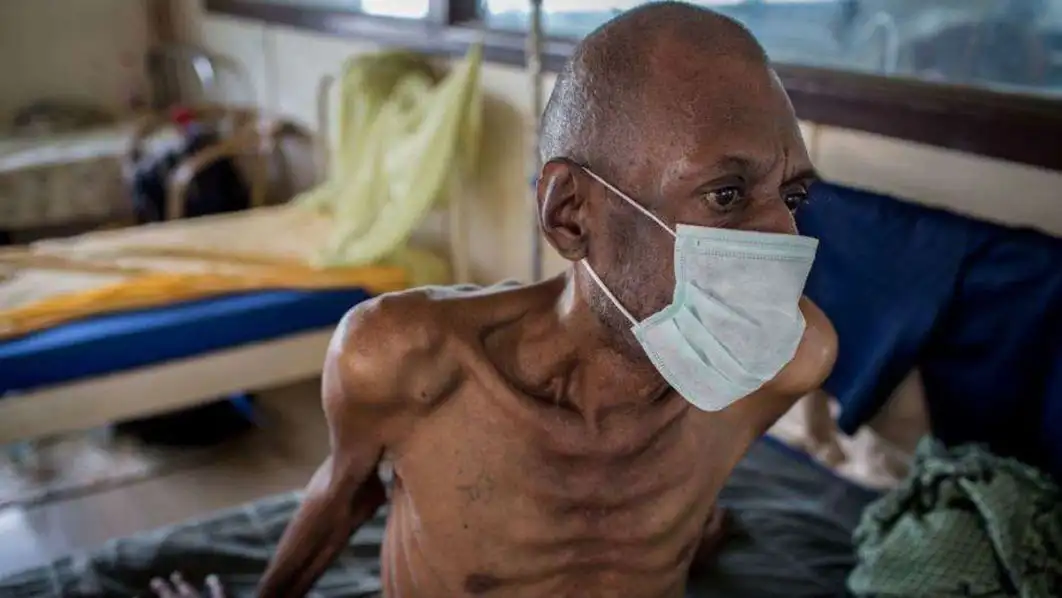
Medical experts at the event highlighted common symptoms associated with Ebola Virus Disease including fever unexplained bleeding sudden weight loss and other severe health complications. Participants also stressed the need for preventive measures such as regular hand washing proper hygiene avoiding unnecessary physical contact strengthening surveillance systems and ensuring prompt isolation of suspected cases.


















Leave a comment