

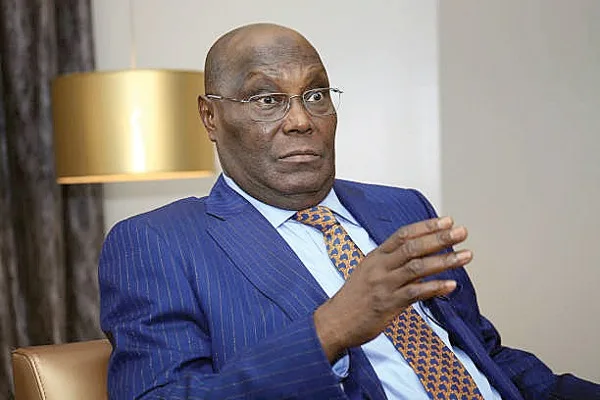
Former Vice President Atiku Abubakar has been subjected to more official scrutiny than any other Nigerian politician since the return of democracy in 1999, according to one of his senior political aides. Demola Olarenwaju, who serves as Senior Political Assistant to the African Democratic Congress presidential candidate, made the striking assertion while defending his principal’s reputation against corruption allegations that have long dogged the veteran politician’s career.
Olarenwaju’s comments came in response to a social media user who had praised Atiku’s clean record, suggesting that the absence of prosecutions by the Economic and Financial Crimes Commission demonstrated his integrity. Writing on X, the aide went further, claiming that despite Atiku challenging every Nigerian president since 1999 both electorally and through constitutional litigation, not one has brought criminal charges against him. Instead, Olarenwaju noted, Atiku has typically been the one initiating legal action and frequently prevailing in court.
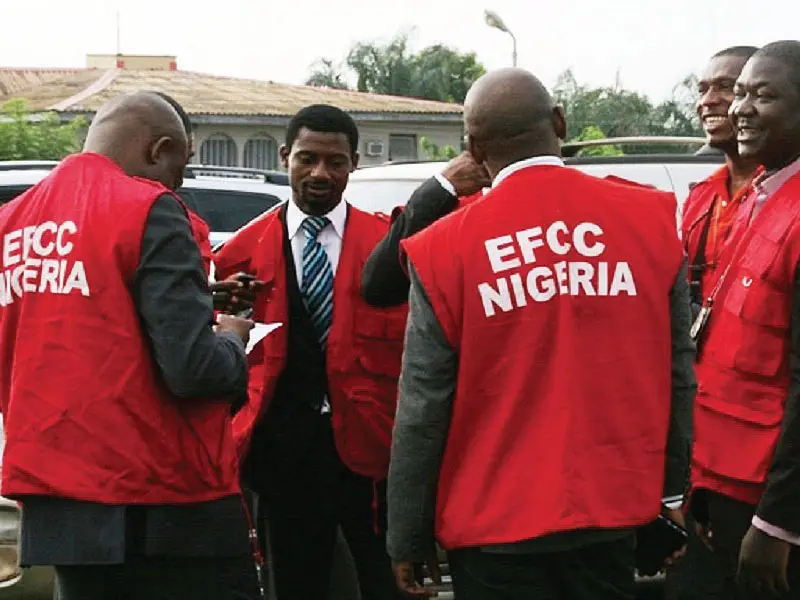
The statement highlights a curious paradox in Nigerian politics. Atiku has remained a controversial figure throughout his decades in public life, serving as Vice President under Olusegun Obasanjo from 1999 to 2007 before their relationship deteriorated into open animosity. He has since mounted multiple presidential campaigns and become one of the most persistent critics of successive administrations, regardless of party affiliation. Yet despite perennial allegations and what Olarenwaju describes as intensive investigations, no formal charges have materialized.
Political observers have long debated whether this reflects Atiku’s actual innocence, the weakness of evidence against him, or the complex web of political relationships and mutual vulnerabilities that characterize Nigeria’s elite power structures. Some analysts suggest that senior politicians operate within an informal system of checks and balances where prosecutions are avoided to prevent retaliatory revelations. Others point to institutional weaknesses in Nigeria’s anti corruption apparatus that make successful prosecutions of well connected figures exceptionally difficult.
Atiku’s legal battles with various presidents have become a defining feature of his political career. His willingness to challenge sitting presidents in court, often over electoral matters, has earned him a reputation as both a principled opposition figure and a perpetual aspirant unwilling to accept defeat. His supporters view this litigious approach as evidence of his commitment to constitutional governance, while critics see it as the maneuvering of a political survivor adept at using the legal system to remain relevant.
As Nigeria approaches future electoral cycles, Atiku’s status as an opposition figure who has never faced prosecution despite intense scrutiny will likely continue to fuel both support and suion. Whether this represents vindication of his integrity or merely reflects the realities of political power in Africa’s most populous nation remains a question that divides Nigerian public opinion. What seems certain is that Atiku will continue to position himself as a champion of accountability, even as debates about his own record persist in the national conversation.
You May Like






Leave a comment