

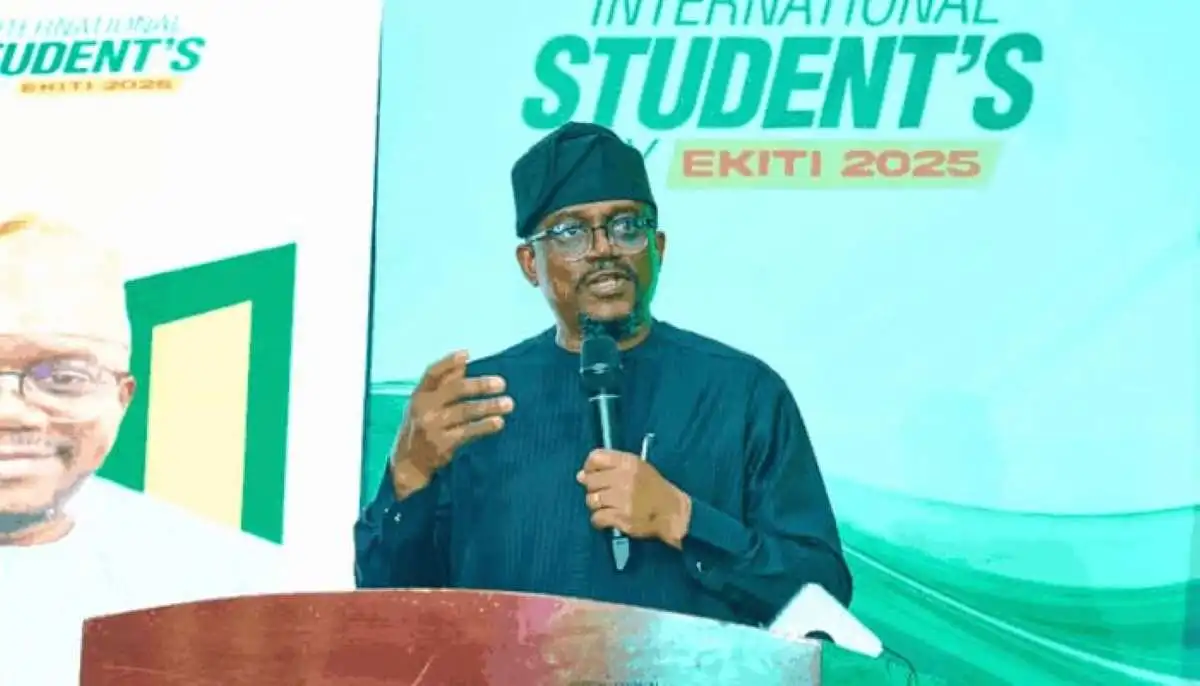
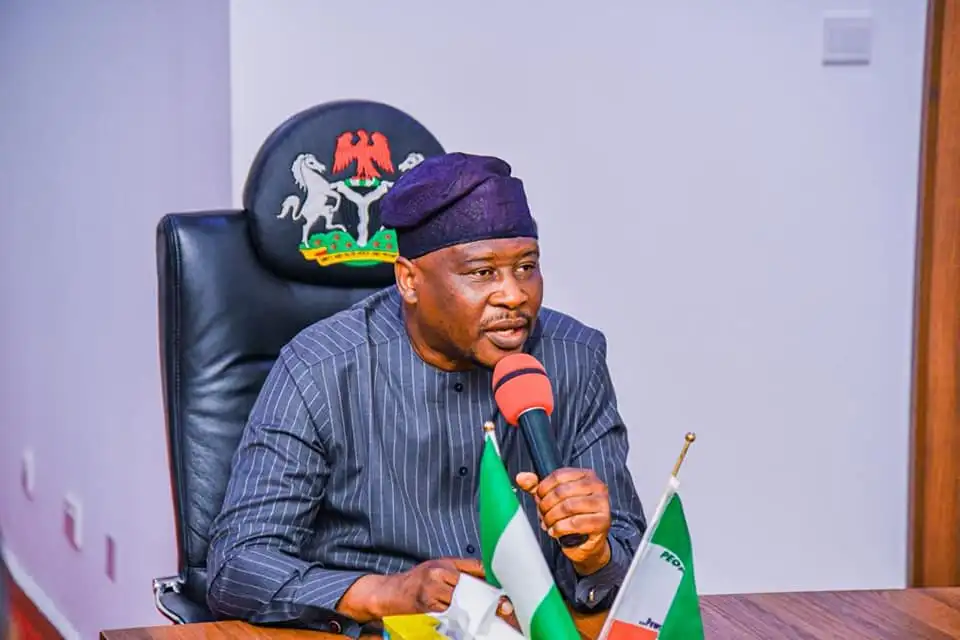
Young Nigerians with political ambitions should prioritize building credible careers and elishing personal integrity before venturing into the murky waters of public office, a former Director General of the National Youth Service Corps has warned. Retired Major General Johnson Olawumi delivered the pointed advice during a youth engagement and campaign rally in Osogbo, Osun State, emphasizing that politics without a solid professional foundation often leaves individuals vulnerable to manipulation, financial dependence, and a swift descent into irrelevance once their time in office ends.
Speaking at an event organized by Pelumi Olajengbesi, spokesperson for the reelection campaign of Governor Ademola Adeleke, the retired Army General framed politics as a platform for service rather than a substitute for personal development and career growth. Politics should not be your first source of identity or livelihood, Olawumi declared. When politics is over, you should be able to return to your profession and continue to thrive. That is why young people must build soing for themselves first. His remarks come at a time when Nigeria’s youth population, comprising over 60 percent of the country’s demographic, increasingly seeks representation in governance structures traditionally dominated by older politicians.
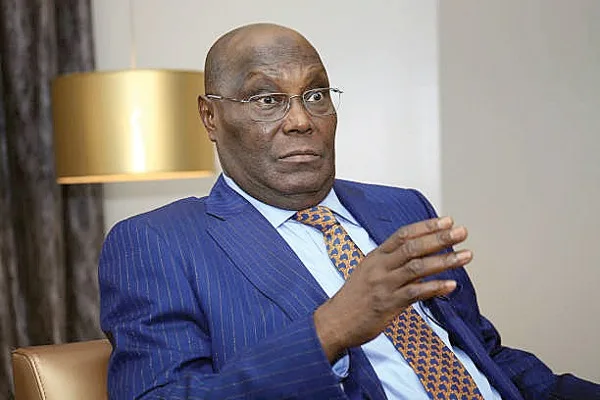
Olawumi noted that political careers are inherently uncertain and temporary, making it dangerously risky for individuals to depend entirely on public office for survival. A strong career gives you ility, he explained. It ensures that even when public office ends, your value, relevance, and means of livelihood remain intact. To illustrate his point, he cited prominent Nigerian political figures including former Lagos State Governor Babatunde Fashola, former Vice President Yemi Osinbajo, and former Ekiti State Governor Kayode Fayemi as examples of leaders whose professional achievements significantly enhanced their credibility and effectiveness in governance.
According to the former NYSC boss, professional success equips leaders with the discipline, competence, and independence required to make difficult decisions in public office. Many of Nigeria’s most respected leaders earned public trust long before entering politics precisely because they had already distinguished themselves in their professional careers. Olawumi further warned that politicians who lack independent sources of income are more likely to succumb to pressure from political sponsors and powerful interests. If your survival depends entirely on politics, it becomes difficult to stand by your convictions, he said. You become susceptible to pressure from political sponsors and power brokers. But when you have built your own career and earned your own income, you have the freedom to serve with integrity.
Beyond the issue of financial independence, Olawumi observed that many politicians without elished careers struggle to remain relevant after leaving office, often resorting to controversy and constant political agitation to stay in the public eye. Such behavior, he suggested, undermines the dignity of public service and creates a political culture driven more by desperation than genuine commitment to national development. Politicians who enter the arena with professional accomplishments to fall back on are better positioned to make principled decisions without fear of losing their livelihood or social standing.
Olawumi was careful to clarify that his remarks should not be interpreted as opposition to youth participation in politics. Rather, the message was a call for young Nigerians to enter public service from a position of strength, competence, and self reliance. The future of Nigeria’s leadership depends not only on greater youth involvement in politics but also on ensuring that those aspiring to lead possess the professional experience, integrity, and independence necessary to govern effectively. As Nigeria continues to grapple with economic challenges, security concerns, and governance deficits, the question of who leads and what qualifications they bring to the table becomes increasingly critical for the nation’s trajectory.


















Leave a comment