


Global oil markets continued to experience significant volatility as investors responded to ongoing tensions linked to the war in the Middle East. Prices fluctuated throughout the trading day as traders weighed the potential risks to supply routes that pass through key energy producing regions. Market participants said uncertainty surrounding the security of oil infrastructure and shipping corridors has made it difficult to predict the near term direction of energy prices.
Energy analysts noted that even small developments related to the conflict can quickly influence market sentiment. News regarding military operations, diplomatic discussions, or ces in shipping activity can lead to rapid shifts in trading behavior. As a result, oil prices have moved sharply in both directions in recent sessions as investors attempt to balance supply concerns against broader economic conditions.
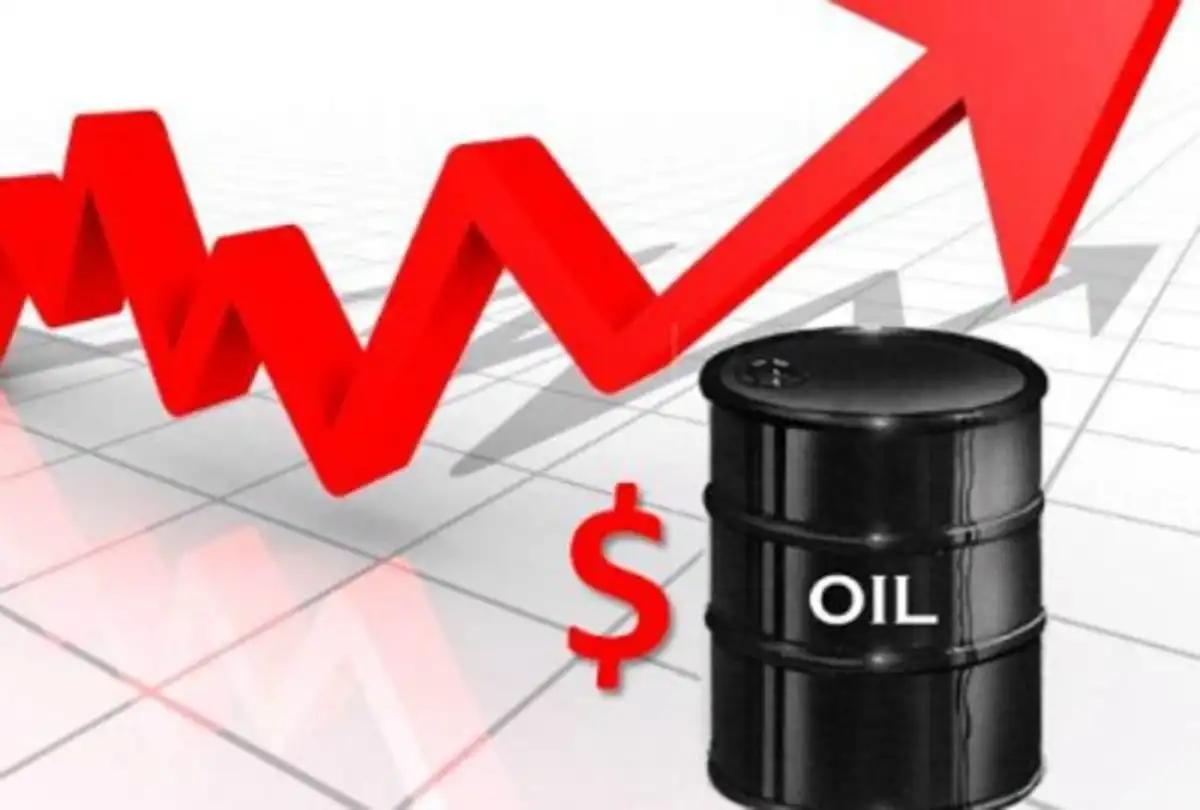
The Middle East remains one of the most important sources of global oil production, supplying a large share of the crude consumed by major economies. Several critical maritime routes that connect producers to international markets pass through areas currently affected by heightened security concerns. Any perceived risk to these routes can trigger strong reactions in financial markets as companies and governments seek to anticipate possible disruptions.
Financial institutions have been closely monitoring developments as they assess how long the volatility may continue. Some analysts believe that if the conflict remains contained without affecting major production facilities or export terminals, the market could gradually ilize. Others caution that prolonged tensions may sustain elevated price swings as traders react to new information about the regional security environment.
Governments and international energy organizations are also watching the situation closely due to the potential impact on inflation and economic growth. Rising energy costs can influence transportation expenses, manufacturing activity, and household budgets across many countries. As the geopolitical situation evolves, oil markets are expected to remain sensitive to developments that could shape the future of global energy supply.
You May Like

















Leave a comment