

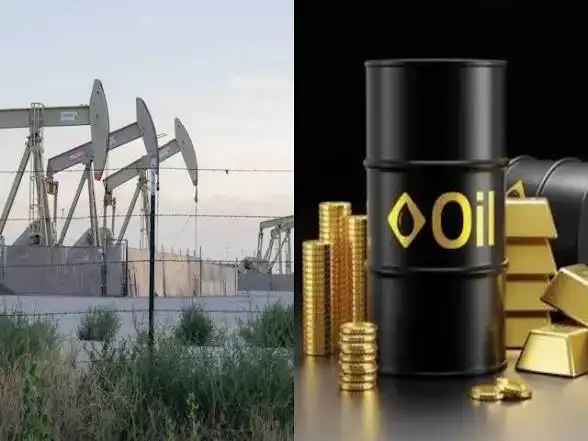
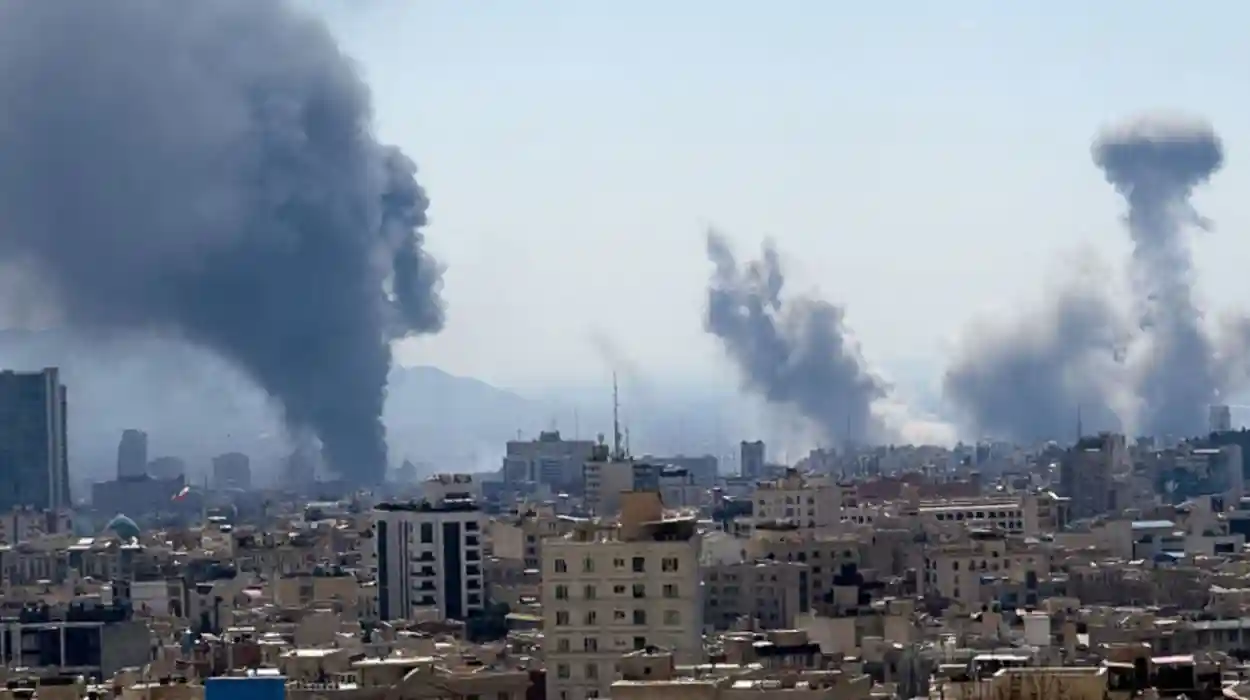
Global oil markets are confronting one of the most severe supply disruptions in decades as the conflict in the Middle East continues to interfere with the movement of energy shipments. The shutdown of key maritime routes and damage to infrastructure in several Gulf countries has significantly reduced the amount of crude oil reaching international markets. Energy analysts say the scale of the disruption has created conditions rarely seen in the modern oil trading system, with supply constraints affecting both producers and consuming nations across multiple continents.
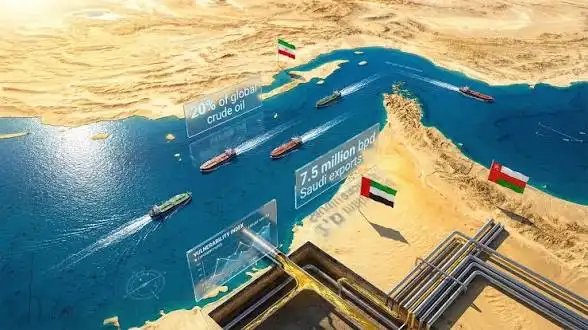
The core of the disruption is centered around the Strait of Hormuz, a narrow but strategically vital waterway through which a large share of the world’s oil exports normally travels. When tanker movement slows or stops entirely through this corridor, the global energy system can feel the impact almost immediately. Traders, refiners, and governments are now facing growing uncertainty about how long the shipping restrictions will last and whether additional disruptions could further tighten supply.
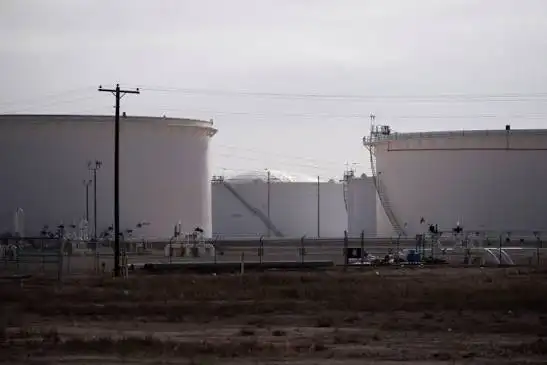
Energy producers across the Gulf region have attempted to adjust operations as shipments become increasingly difficult to move through the strait. Some companies have explored alternative export routes, including pipelines and secondary ports, but these options cannot fully replace the massive volume normally transported by sea. As a result, a growing amount of crude oil remains stranded near production sites while global buyers search for alternative sources of supply.
The market reaction to these developments has been swift. Oil prices have risen sharply as traders respond to the sudden reduction in available cargoes. Higher energy costs are already beginning to influence transportation, manufacturing, and electricity generation in many countries. Economists warn that sustained price increases could place additional pressure on global inflation while slowing economic growth in nations that rely heavily on imported fuel.
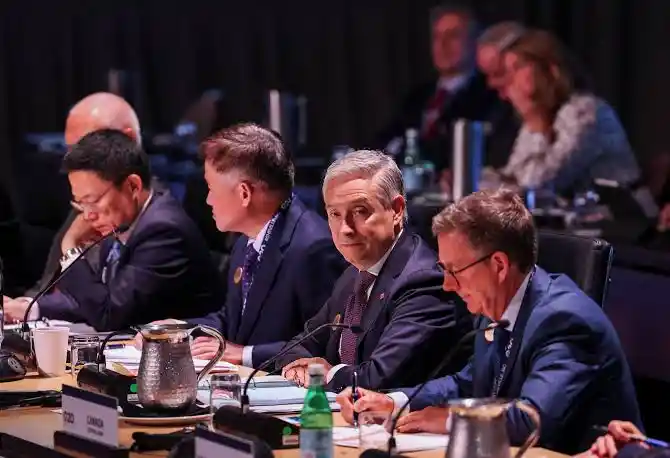
Governments and international organizations are increasingly focused on preventing the disruption from turning into a prolonged energy crisis. Diplomatic efforts aimed at restoring safe passage through the Gulf are ongoing, while energy agencies are evaluating emergency supply options. Until shipping lanes reopen and normal trade patterns resume, analysts say global oil markets will likely remain volatile as participants attempt to navigate one of the most significant supply shocks in recent history.













Leave a comment