

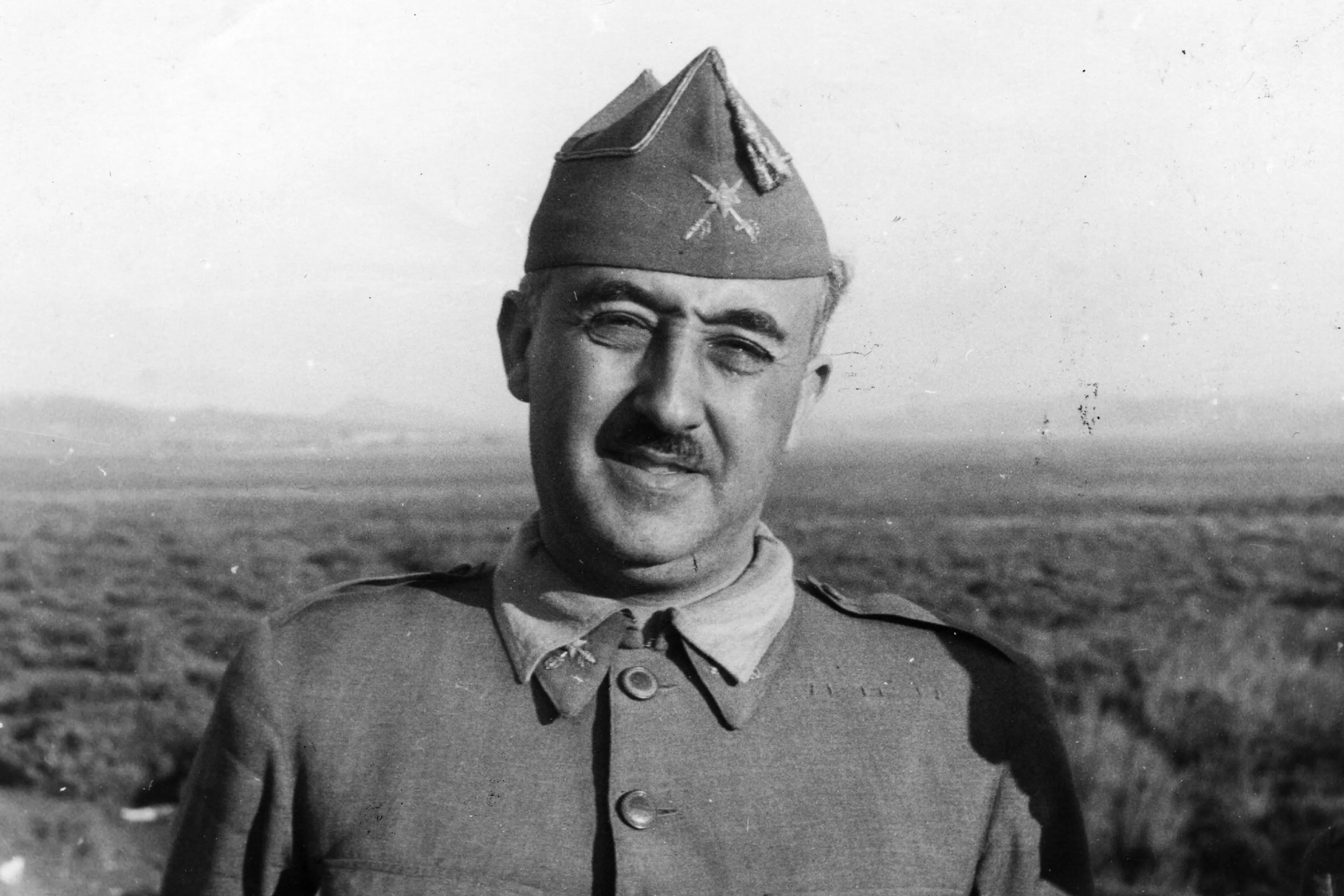
Nearly five decades after the death of dictator Francisco Franco, Spain continues to wrestle with one of Europe’s most contentious historical reckonings. What should be a unified effort to acknowledge past atrocities has instead become a bitter political battleground, exposing deep fissures in Spanish society over how to remember four decades of authoritarian rule and a brutal civil war that preceded it.
Efforts to recover the dignity and memory of Franco’s victims have encountered fierce resistance from conservative political factions who view such initiatives as divisive and unnecessary. Thousands of bos from the Civil War era remain in unmarked graves across the Spanish countryside, a grim reminder of unfinished business that haunts families still searching for closure. Meanwhile, symbols of the Franco regime, from street names to monuments, persist in communities throughout the country despite sporadic removal campaigns.
Spain’s approach stands in stark contrast to neighboring democracies that have confronted their authoritarian pasts more comprehensively. Germany’s extensive denazification process and Argentina’s trials of military junta leaders offer models of national reckoning that Spain has struggled to emulate. Political scientists attribute this difference partly to Spain’s transition to democracy, which prioritized ility and reconciliation over accountability, creating what many now see as a culture of imposed forgetting.
Recent legislative attempts to address historical memory have only deepened the polarization. Laws designed to exhume mass graves, remove Francoist symbols, and formally recognize victims have become lightning rods for partisan conflict rather than opportunities for healing. Right wing parties characterize these measures as s on national unity and attempts to reopen old wounds, while progressives argue that genuine reconciliation requires truth and acknowledgment.
Academic experts on transitional justice emphasize that Spain’s reluctance to fully confront this chapter reflects broader anxieties about national identity and unity. Regional independence movements, particularly in Catalonia and the Basque Country, add another layer of complexity to memory debates, as different communities experienced Franco’s repression in distinct ways. What constitutes historical truth remains contested terrain where personal memory, political ideology, and regional identity collide.
As a new generation of Spaniards comes of age with no direct memory of the dictatorship, the urgency of resolving these memory wars grows more acute. Whether Spain can forge a path toward a shared understanding of its past, one that honors victims without inflaming contemporary divisions, remains an open question with profound implications for democratic culture and social cohesion. Without meaningful progress, the ghosts of Franco’s era will continue to haunt Spanish politics for years to come.










Leave a comment