
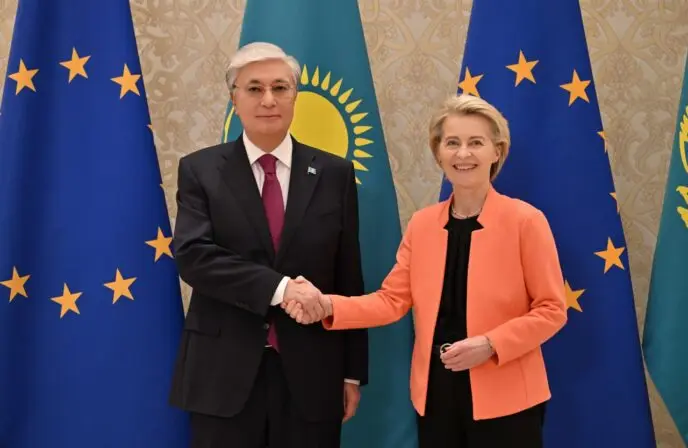
Kazakhstan and the European Union have deepened their strategic partnership through a critical phone conversation between Foreign Minister Yermek Kosherbayev and EU High Representative for Foreign Affairs Kaja Kallas, signaling renewed commitment to economic and energy cooperation at a time when global supply chains remain under pressure.
The bilateral discussion centered on expanding trade relationships between the Central Asian nation and the 27 member bloc, with particular emphasis on energy security arrangements that have grown increasingly vital for Europe since geopolitical tensions reshaped continental energy markets. Both sides explored opportunities to strengthen commercial ties that could benefit Kazakhstan’s growing economy while diversifying European energy sources away from traditional suppliers.
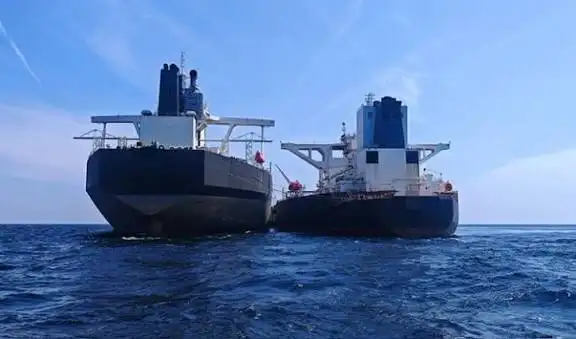
A key topic of the conversation involved the Caspian Pipeline Consortium, one of the world’s major oil transportation systems that carries crude from Kazakhstan’s vast reserves to international markets through a route terminating at Russia’s Black Sea coast. The pipeline has emerged as a critical piece of infrastructure for European energy security, transporting roughly 1.2 percent of global oil supply and serving as a crucial link between Central Asian resources and Western consumers.
Kazakhstan has positioned itself as a reliable partner for European nations seeking to reduce dependence on politically volatile energy sources. The country holds some of the largest proven oil reserves in the Caspian region and has steadily increased production capacity over the past decade, making it an attractive alternative supplier for EU member states concerned about long term energy resilience.
Kallas, who also serves as Vice President of the European Commission, has made energy diversification and security a cornerstone of her diplomatic agenda since assuming office. Her engagement with Kazakhstan reflects broader European efforts to build partnerships with le energy producers outside traditional supply networks, particularly as the continent transitions toward renewable sources while maintaining fossil fuel imports during the interim period.
The conversation between the two foreign policy leaders suggests that both parties recognize mutual benefits in enhanced cooperation. As Kazakhstan continues integrating into global markets and pursuing economic modernization, European investment and technical expertise could prove valuable. Meanwhile, Brussels gains access to energy resources and trade opportunities in a strategically located nation that serves as a bridge between Europe and Asia. Further discussions on implementation of cooperative frameworks are expected in the coming months as both sides work to translate diplomatic dialogue into concrete agreements.







Leave a comment