

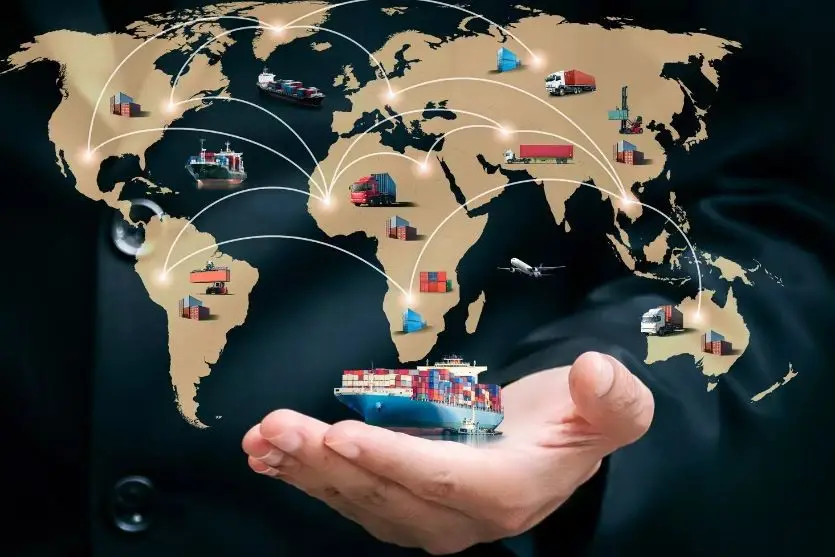
In 2025, global supply chains are facing unprecedented challenges, significantly impacting international trade dynamics. A primary concern is the escalating trade tensions between major economies, notably the United States and China. The U.S. has imposed tariffs up to 145% on certain Chinese imports, citing issues like overcapacity and unfair trade practices. In retaliation, China has enacted tariffs up to 125% on U.S. goods, intensifying uncertainty for manufacturers and logistics providers operating in both markets.
These trade disputes have led to significant disruptions in various industries. The aerospace sector, for instance, has expressed concerns over proposed U.S. tariffs on imported commercial aircraft and parts. The Aerospace Industries Association has requested extensions for public comments and delays on new tariffs, emphasizing the potential risks to national security, aviation safety, and the supply chain.

Similarly, the global airline industry is grappling with challenges due to rising trade tensions and severe aircraft delivery delays. The International Air Transport Association (IATA) has downgraded its 2025 profit forecast, citing declining consumer confidence and ongoing supply chain issues. Aircraft deliveries for 2025 are now expected to be 26% below earlier commitments, with ongoing issues potentially lasting through the decade.
The manufacturing sector is also feeling the impact. American manufacturers are experiencing severe supply chain disruptions reminiscent of the COVID-19 pandemic, primarily due to ongoing tariff issues. Tariffs have led to increased input costs and lengthened delivery times, with supply delays now at their worst in two years. Automakers have even halted production due to material shortages.
In response to these challenges, the Organisation for Economic Co-operation and Development (OECD) has cautioned against aggressive reshoring of supply chains. The OECD’s econometric modeling suggests that localizing supply chains through higher tariffs and domestic subsis could reduce global trade by 18% and GDP by up to 12% in affected countries. The study recommends embracing openness and geographical trade diversification to better manage disruptions.
Additionally, the global economy is facing trade paralysis due to recent legal rulings blocking many of former President Trump’s sweeping tariffs. This unexpected decision has further complicated international commerce, with businesses now facing difficulties planning shipments due to fluctuating regulatory circumstances.
The airline industry is also facing challenges due to trade tensions and aircraft delivery delays. The IATA has downgraded its 2025 profit forecast, citing declining consumer confidence and ongoing supply chain issues. Aircraft deliveries for 2025 are now expected to be 26% below earlier commitments, with ongoing issues potentially lasting through the decade.
In the pharmaceutical sector, the U.S. is experiencing a prolonged crisis in its supply chain, largely due to heavy reliance on foreign nations like China for essential medical supplies. This dependency has led to long-term shortages of critical medications, posing economic, public health, and national security risks.
These developments underscore the complex and evolving nature of global supply chains in 2025, highlighting the need for businesses and policymakers to adapt to a rapidly cing international trade environment.




















I think companies should invest more in local suppliers to reduce reliance on global supply chains. What do you all think?
Is it just me or are supply chain disruptions becoming the new norm? How can we adapt to this unpredictable global trade landscape?
I think supply chain disruptions could lead to more local production, which might not be a bad thing. What do you all think?
I cant believe how supply chain disruptions are impacting global trade dynamics! Who knew a little delay could cause such chaos?
I find it hard to believe that supply chain disruptions are just a temporary setback. What if this is the new normal? 🤔