
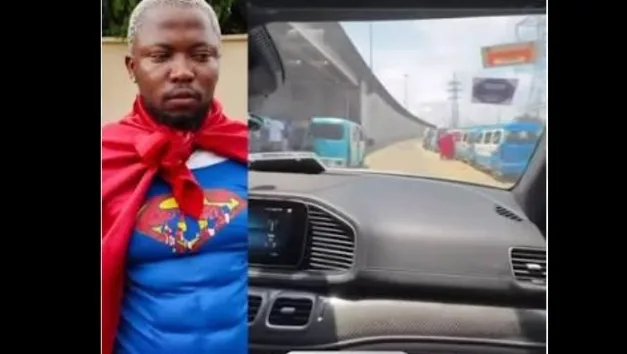

Popular Nigerian comedian and content creator Chukwuebuka Amuzie, widely known as Brain Jotter, has become the latest public figure to allege harassment and extortion by street gangs in Lagos, sharing video evidence of an encounter that has reignited debate about security and public order in Nigeria’s commercial capital. The comedian posted footage to his Instagram account on Tuesday showing a group of men confronting him on a Lagos road, reportedly demanding money before allowing him to pass. His cryptic caption compared Nigeria to a poorly managed zoo, suggesting that dangerous elements have been allowed to roam freely.
Brain Jotter’s experience appears to be part of a disturbing pattern affecting entertainers, medical professionals, and ordinary motorists across Lagos. Just days earlier, Saltiana, the younger sister of Afrobeats sensation Ayra Starr, reported that suspected area boys damaged her vehicle after mistaking her for the famous singer. According to Saltiana, who performs as DJ Salt of Life, the men called out her sister’s name and ed her car when she refused to hand over cash. Such incidents suggest that celebrity status has become both a target and a vulnerability on Lagos streets.

Medical doctor Olusina Ajidahun, known online as The Bearded Sina, recounted a particularly troubling episode in which hoodlums disrupted a free medical outreach program in the Mushin area. Rather than allowing healthcare to proceed unimpeded, the gang demanded payment and threatened to cause a disturbance unless their terms were met. Music video director ThankGod Omori, professionally known as TG Omori, has also shared accounts of similar encounters while conducting business in Lagos. Collectively, these incidents paint a picture of an emboldened street presence that operates with apparent impunity.
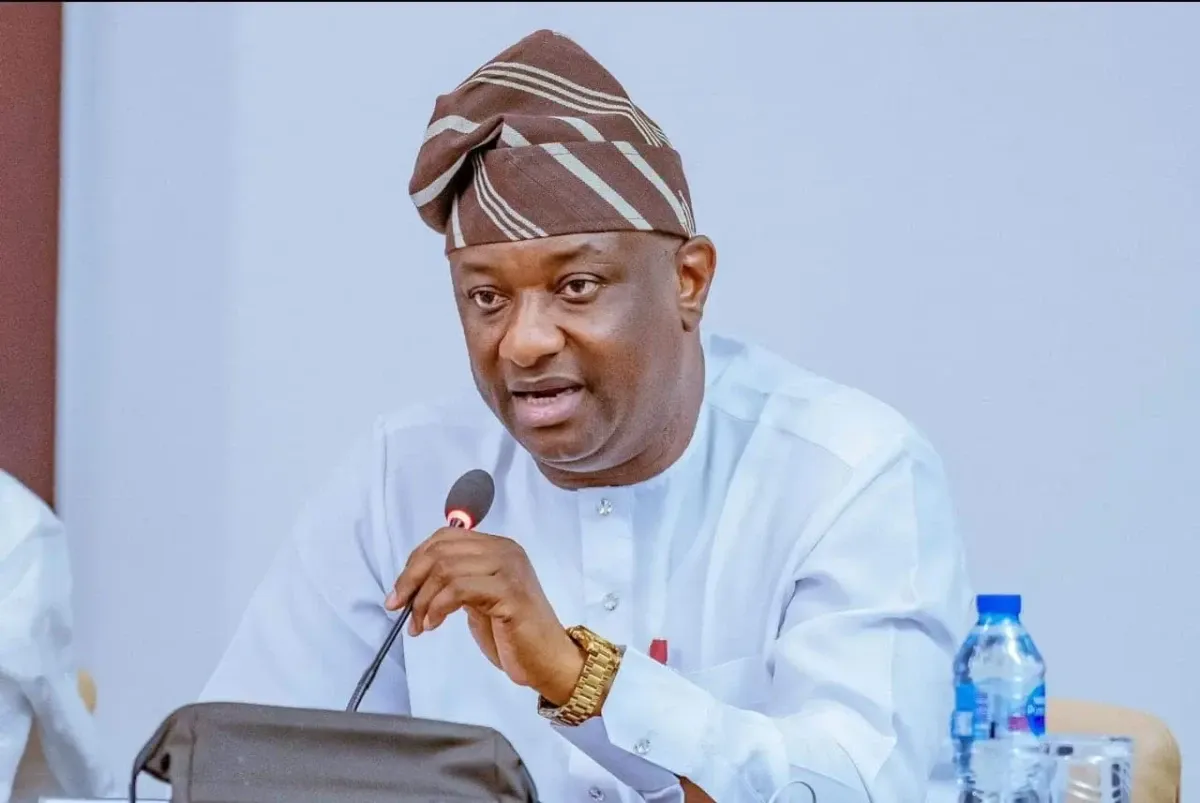
Lagos State Commissioner for Environment and Water Resources Tokunbo Wahab has acknowledged the problem and outlined ongoing government efforts to arrest and remove street urchins from various parts of the metropolis. However, Wahab has also pointed to what he describes as a complicating factor in enforcement efforts. According to the commissioner, cash handouts distributed by celebrities, social media influencers, and well meaning members of the public may inadvertently encourage the perception that street activities constitute a viable livelihood, thereby undermining law enforcement initiatives and perpetuating the very behavior officials are trying to eliminate.

Wahab’s comments highlight a complex social dynamic in which goodwill gestures and charitable impulses may have unintended consequences. Many Nigerian celebrities have built their public personas partly on displays of generosity, frequently distributing money to fans and onlookers during public appearances or content creation sessions. While such acts generate positive publicity and align with cultural expectations of wealth sharing, they may also create incentives for aggressive solicitation and elish dangerous precedents about who controls access to public spaces. Balancing compassion with security concerns presents a genuine dilemma for both public figures and policymakers.
As Lagos continues to grapple with rapid urbanization, income inequality, and youth unemployment, confrontations between street gangs and the public are likely to remain a contentious issue requiring coordinated responses from government, civil society, and residents themselves. Wahab has urged members of the public to cooperate with authorities in creating a safer and more orderly city, though achieving that goal will require sustained political will, effective policing, and addressing the underlying economic conditions that push young people toward street hustling. Whether recent high profile incidents will catalyze meaningful ce or simply fade into the background noise of urban life in Nigeria’s largest city remains an open question that will shape the experience of millions of Lagosians in the months ahead.
You May Like










Leave a comment