
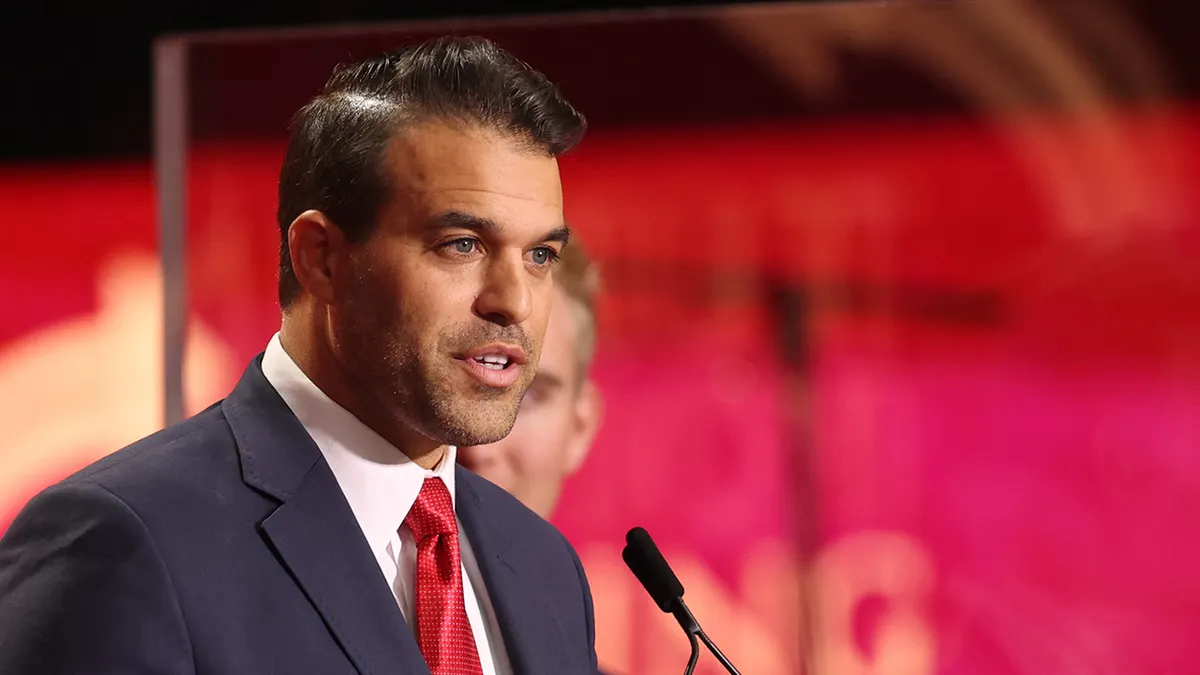
A bizarre social media battle over the cost of burritos has consumed conservative media figures and Republican politicians, exposing deep rifts within the party over how to address the ongoing affordability crisis that continues to frustrate American voters. What began as a straightforward comment about food prices has devolved into personal s and finger pointing, revealing a party more interested in scoring points against itself than solving the economic problems that helped bring it to power.

Andrew Kolvet of Turning Point USA sparked the controversy when he referenced a student’s complaint that burritos now cost $20, using it as an example of how basic necessities feel unaffordable to ordinary Americans. Kolvet acknowledged that much of the pain stems from pandemic era policies and Biden administration inflation, but emphasized that the lived experience of high prices remains unced regardless of economic indicators. Conservative commentator Ben Shapiro quickly pushed back, insisting that burritos do not actually cost $20 and suggesting anyone paying that much is making poor life choices. Sean Davis of The Federalist interpreted this as neoconservative messaging that dismisses the economic struggles of lower and middle class Americans.
Further skirmishes erupted across social media platforms. Matt Walsh clashed with Joel Berry of The Babylon Bee after Berry noted his wife had made burritos for their family of eight for under $20. Walsh countered that grocery prices have risen by 30 percent or more this decade and that conservatives need better answers than telling people to make cheap food at home. In perhaps the most notable exce, Vice President JD Vance publicly mocked Washington Post columnist Marc Thiessen’s weight after Thiessen told the complaining student to cry him a river. Vance’s personal drew widespread criticism for its pettiness and unprofessional tone.

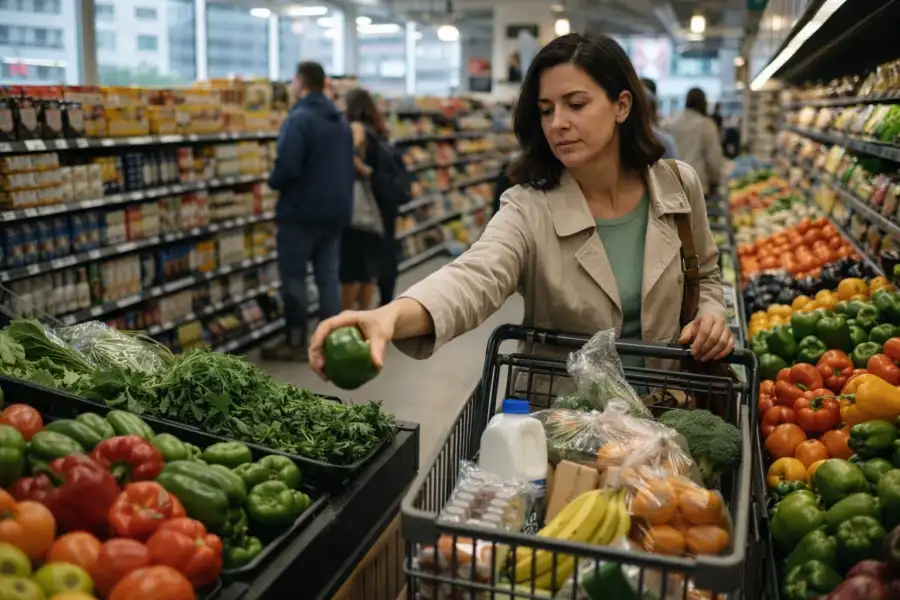
Every participant in this spectacle is losing, not because the underlying economic concerns are trivial, but because Republican leaders are squandering their political capital on internal warfare instead of governing. Republicans captured the White House and both chambers of Congress two years ago primarily because voters held former President Joe Biden accountable for the spending policies that triggered persistent inflation. Symbols like the $20 burrito represent the economic burden weighing down household budgets across the country. While the rate of price increases has slowed in recent years, the prices themselves have not retreated to previous levels, leaving consumers with permanently higher costs.
To illustrate the dynamic with the contentious burrito example, if the meal cost $10 two years ago, $18 last year, and $20 today, consumers cannot be expected to celebrate the slower rate of increase when they are still paying double what they once did. Some Americans have indeed made poor financial choices that compound their difficulties, but conservative figures who casually dismiss widespread voter anxiety are not only wrong on the substance, they are courting electoral disaster. President Trump appeared to understand this dynamic at the start of his second term, identifying inflation as his primary mandate and directing his cabinet to use all available tools to combat price increases he attributed to excessive government spending and rising energy costs.

Yet two years into the Trump restoration, meaningful progress on reducing everyday costs remains elusive, and Republican voters are growing impatient. Instead of presenting a unified message on economic relief or demonstrating concrete achievements, the party’s most visible figures are engaged in public squabbles that make them appear detached from the concerns of ordinary families. As the 2026 midterm elections approach, Democrats are watching this circular firing squad with undisguised glee, preparing to argue that Republicans care more about Twitter fights than kitchen table issues. Whether GOP leaders can set aside their burrito beef and refocus on the cost of living crisis may determine whether they maintain their governing majority or hand control back to their opponents.












Leave a comment