
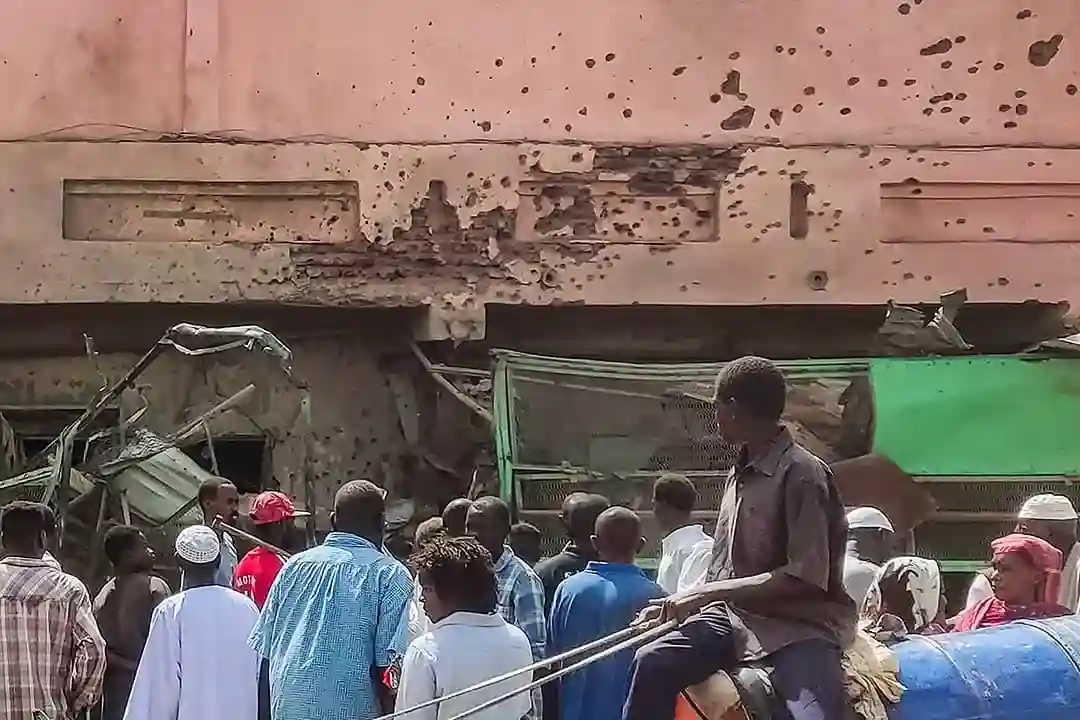
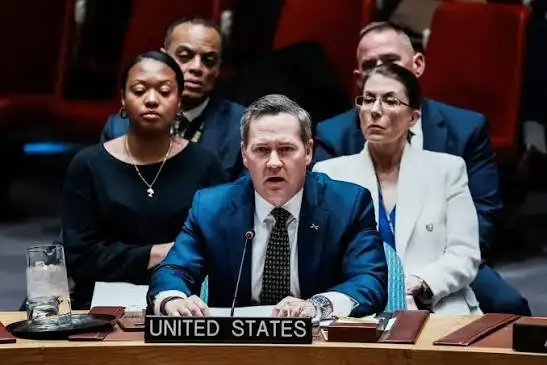
Washington’s formal determination that the Sudanese government deployed chemical weapons in 2024 has triggered a new round of American sanctions, yet analysts and regional experts remain skeptical that these punitive measures will fundamentally alter the trajectory of Sudan’s brutal civil war. After months of investigation and diplomatic deliberation, the United States has taken its strongest stance yet against the Sudanese military leadership, imposing financial restrictions and travel bans designed to pressure the government toward accountability. But the sobering reality is that sanctions, however morally justified, rarely succeed in cing battlefield dynamics when warring parties remain convinced they can achieve victory through military means.
Sanctions have long been a favored tool of American foreign policy, offering policymakers a middle path between inaction and military intervention. Yet their track record in resolving complex civil conflicts remains decidedly mixed. In the case of Sudan, previous rounds of sanctions dating back decades failed to prevent the country’s descent into chaos or moderate the behavior of entrenched military elites. The latest measures target specific individuals and entities linked to the chemical weapons program, freezing assets and restricting access to international financial systems. While these actions carry symbolic weight and may complicate some transactions, they are unlikely to deprive the Sudanese military of the resources needed to continue prosecuting the war.
Chemical weapons use represents one of the gravest violations of international humanitarian law, a red line that the global community has sought to enforce since the horrors of World War One. Evidence gathered by international monitors and human rights organizations points to at least several incidents in 2024 where Sudanese forces allegedly deployed toxic agents against civilian populations and opposition fighters. Survivors described symptoms consistent with exposure to chemical irritants, while medical facilities reported treating victims with burns and respiratory distress. Washington’s determination follows a formal review process that examined witness testimony, medical records, and environmental samples, though the Sudanese government has predictably denied the allegations as fabricated propaganda.
Regional dynamics complicate any effort to isolate Sudan diplomatically or economically. Neighboring countries maintain complex relationships with various Sudanese factions, often prioritizing their own security interests and economic ties over international norms. Gulf states have invested heavily in Sudanese agriculture and port facilities, while Egypt views developments in Khartoum through the lens of Nile water security and border ility. Russia and other powers have also cultivated ties with Sudanese military leaders, offering alternative partnerships that blunt the impact of Western sanctions. Sudan’s gold resources provide a sanctions resistant revenue stream that can be exploited through informal channels and complicit intermediaries.
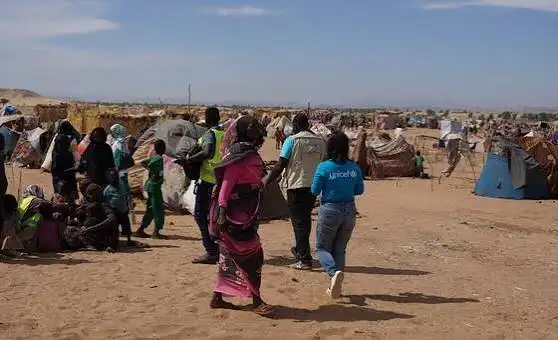
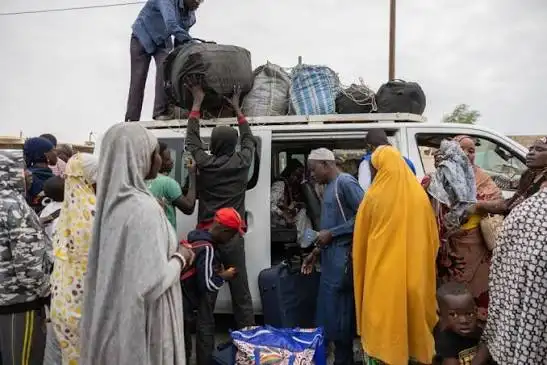
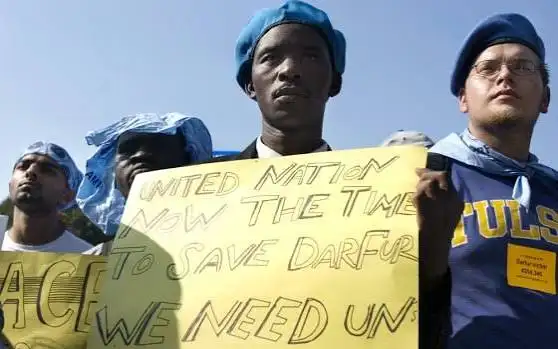
Humanitarian organizations operating inside Sudan face impossible choices as the conflict grinds on. Aid workers report widespread displacement, food insecurity, and collapsing health systems across regions affected by the fighting. International relief efforts struggle with access restrictions, funding shortfalls, and the dangerous operating environment created by active combat and lawlessness. Sanctions that further isolate the Sudanese economy risk compounding the suffering of ordinary citizens who already bear the heaviest burden of the war. Calibrating punitive measures to target those responsible for atrocities while minimizing harm to vulnerable populations remains an enduring challenge that policymakers have yet to solve satisfactorily.
Looking ahead, the sanctions announcement may serve more as a statement of American values than a catalyst for immediate ce on the ground. Real pressure on Sudanese military leaders would require a coordinated international effort that closes financial loopholes, enforces arms embargoes, and presents a united diplomatic front. Absent such coordination, individual countries imposing sanctions create opportunities for targeted actors to simply shift their activities to more permissive jurisdictions. Meanwhile, the civil war shows few signs of resolution, with both government forces and opposition groups maintaining maximalist demands and external actors continuing to fuel the conflict through weapons supplies and financial support. Until the underlying political disputes are addressed through serious negotiation, sanctions alone will remain insufficient to end Sudan’s agony.







Leave a comment