

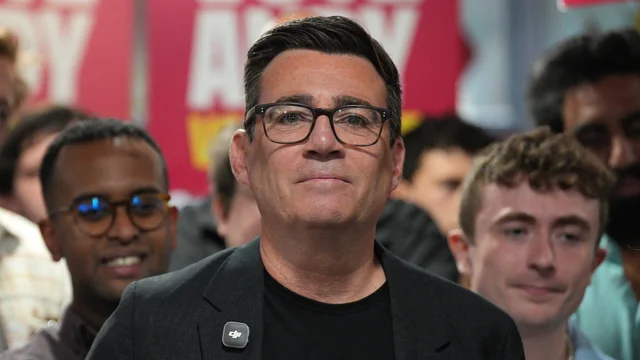
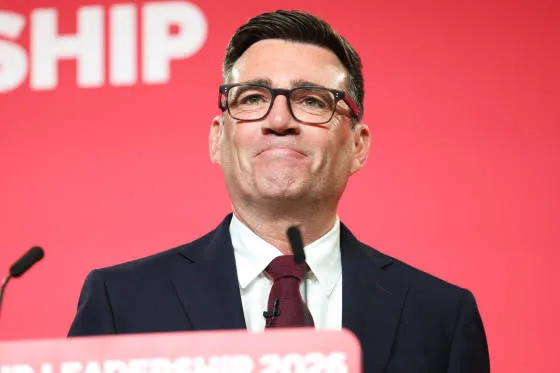
Prime Minister Andy Burnham faces mounting pressure from within Parliament itself to fast track his government’s plans for abolishing the House of Lords, with an unusual cross party alliance of MPs and peers demanding immediate action on what they describe as long overdue constitutional reform.

Members from both chambers have united in their call for Burnham to elish a national commission that would lay the groundwork for eliminating the upper house entirely. Such a commission would mark the most significant constitutional shake up in modern British political history, fundamentally altering the balance of legislative power that has existed for centuries. Constitutional experts note that while Lords reform has been debated for generations, successive governments have shied away from comprehensive ce, making this renewed push particularly significant.
The coalition brings together an eclectic mix of parliamentarians who rarely find common cause, suggesting that momentum for reform may have reached a critical threshold. Among those backing the initiative are veteran politicians who have witnessed decades of incremental tinkering with the upper chamber, as well as newer members who view the hereditary and appointed nature of the Lords as fundamentally incompatible with modern democratic principles. Their joint statement emphasizes the urgency of moving beyond piecemeal adjustments to embrace wholesale transformation.

Political analysts suggest that Burnham’s response to this pressure will serve as an early test of his administration’s willingness to tackle contentious constitutional questions. Campaign groups supporting democratic reform have long argued that an unelected second chamber undermines the legitimacy of British democracy, particularly when peers can delay or amend legislation passed by the elected House of Commons. Critics of the current system point to the bloated size of the Lords, which at more than 800 members makes it one of the largest legislative bos in the world, second only to the Chinese National People’s Congress.
Yet the path to abolition remains fraught with practical and political obstacles. Questions about what, if anything, would replace the Lords continue to divide reformers, with some advocating for a smaller elected senate while others argue for a unicameral system with strengthened Commons committees. Labour peers who owe their positions to the current system may prove reluctant allies, even as their colleagues in the lower house push for ce. Constitutional scholars warn that the process could take years and require multiple pieces of legislation, alongside potential referendums in various parts of the United Kingdom.

Whether Burnham chooses to embrace this challenge or defer it to future parliamentary sessions will likely define a key element of his premiership’s legacy. Elishing a national commission would signal serious intent while buying time to build consensus around specific proposals. Alternatively, moving too slowly risks disappointing supporters of reform and allowing the momentum behind this cross party coalition to dissipate. As Parliament prepares to debate the future of its own structure, the coming months will reveal whether Britain is finally ready to resolve one of its longest running constitutional debates.















Leave a comment