

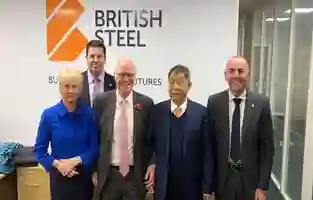
A bitter diplomatic confrontation is brewing between London and Beijing after the British government seized control of the nation’s last remaining virgin steel plant from its Chinese owners, triggering demands for billions in compensation and accusations of treaty violations. Jingye Group, the Chinese conglomerate that purchased British Steel in 2020, has called on the United Kingdom to immediately cease what it describes as trampling on international investment rules and provide prompt, full compensation for all losses incurred in the nationalisation.
The government took operational control of British Steel last week after Jingye indicated it was considering shuttering the blast furnaces at the Scunthorpe plant in northern England, the last facility in Britain capable of producing steel from raw materials rather than recycled scrap metal. Business Secretary Peter Kyle defended the controversial move, stating that British Steel now belongs to the British people and that the government’s focus centres on ilising the business, supporting dependent communities, and building a sustainable, competitive steel sector. Authorities argue the nationalisation protects thousands of jobs and secures domestic steel supplies essential for major infrastructure projects and defence manufacturing.
China’s response has been swift and forceful. Ministry of Commerce officials accused the British government of forcibly seizing and nationalising the company under the guise of national security concerns, seriously damaging Jingye’s legitimate interests and undermining Chinese investor confidence in the United Kingdom. In a strongly worded statement, Jingye claimed the British side has disregarded the company’s ongoing investment and significant economic contributions while offering almost zero compensation. According to company figures, the UK government has spent 377 million pounds operating British Steel through January, with projections suggesting total costs could exceed 600 million pounds by June and potentially surpass two billion pounds by 2028.
China’s Ministry of Foreign Affairs has pointed to binding legal obligations under a bilateral investment treaty signed between the two nations in 1986, which includes explicit protections against arbitrary expropriation without proper compensation. Officials in Beijing have warned they will closely monitor developments and take appropriate measures to safeguard what they characterise as legitimate rights and interests if the situation warrants intervention. Jingye specifically invoked this treaty clause in its formal demand for full restitution, arguing that London has violated international law by seizing assets without adequate recompense.
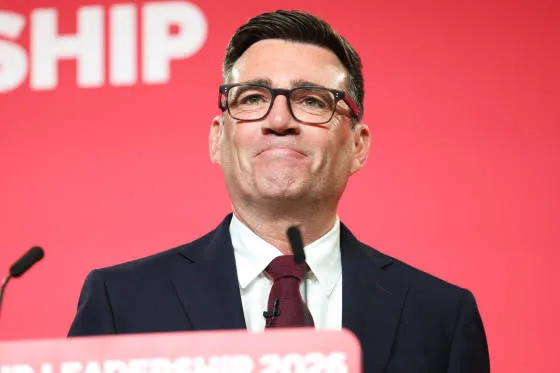
The timing of the dispute could hardly be more awkward for British politics. Labour Party leader Andy Burnham is expected to succeed Keir Starmer as prime minister on Monday, potentially beginning his first term in office embroiled in a high stakes standoff with one of Britain’s largest trading partners. Balancing domestic industrial policy priorities with maintaining constructive relations with Beijing will test the incoming administration’s diplomatic ss from day one. The controversy also highlights broader tensions around foreign ownership of critical national infrastructure and the extent to which governments can intervene when strategic industries face closure.
British Steel has historically played an outsized role in the national economy due to its unique capacity to produce virgin steel from raw materials, a capability considered essential for maintaining industrial sovereignty and reducing dependence on imported materials. Scunthorpe’s blast furnaces have long been symbols of Britain’s manufacturing heritage, and their potential closure sparked fierce political debate about whether the country could afford to lose its last primary steelmaking facilities. Government officials framed the nationalisation as a matter of economic security and national interest, echoing similar interventions in other Western democracies where authorities have moved to prevent the collapse of strategically important industries.
What happens next remains uncertain, but the standoff is likely to cast a long shadow over British Chinese relations and could deter future investment from Beijing. Whether Jingye pursues formal arbitration under the bilateral investment treaty, how generously London compensates the Chinese owners, and whether other countries take note of Britain’s willingness to nationalise foreign owned assets will all shape the longer term fallout. For Britain’s new prime minister, resolving this dispute without either appearing weak on national security or triggering a broader economic confrontation with China will require deft political navigation in the opening days of a premiership already facing formidable challenges.













Leave a comment