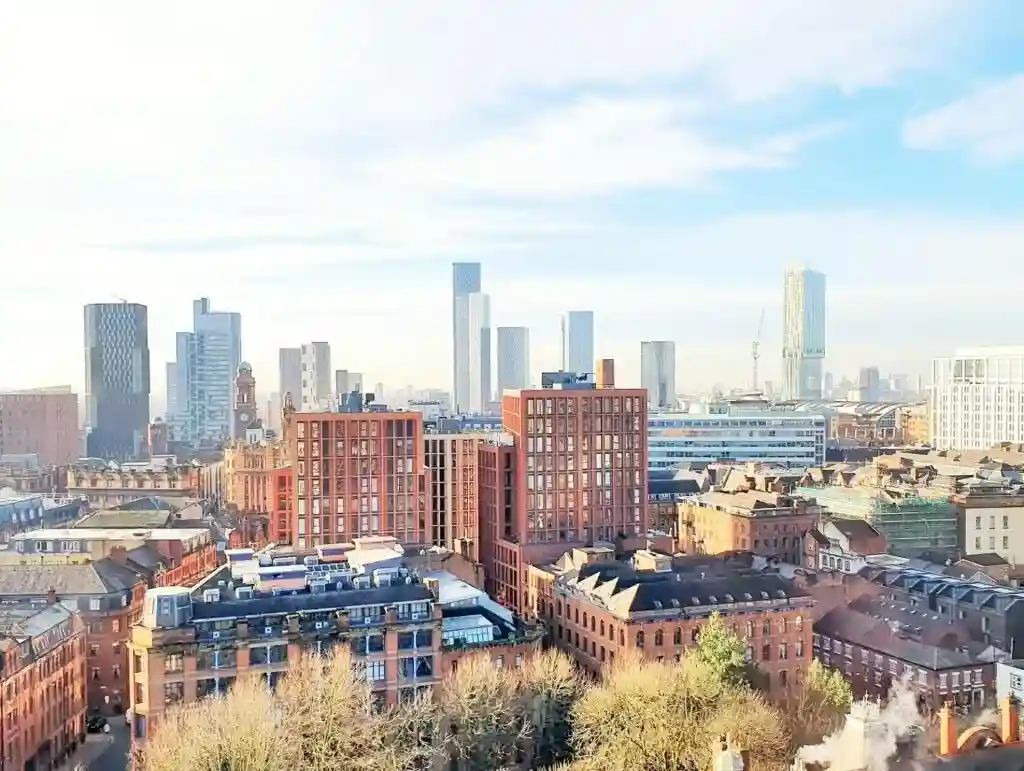
The contest to succeed Andy Burnham as Mayor of Greater Manchester will be a straight fight between the Green Party and Reform UK, according to Green leader Zack Polanski, in a bold claim that effectively dismisses Labour’s chances in one of its traditional northern strongholds. Speaking to supporters on Friday, Polanski framed the upcoming mayoral race in stark terms: Greens versus Reform, with no mention of the governing party that has held the position since its inception. His message comes as the Greens prepare to launch their campaign on Saturday, a full week before Labour even announces its candidate on June 26.
Geraldine Coggins, leader of the Green group on Trafford Council, is widely tipped to carry the party’s banner in what promises to be one of the most watched electoral contests of the year. Polanski’s confident positioning reflects recent electoral realities that have shaken Labour’s grip on the region. During the May 7 local elections, Sir Keir Starmer’s party hemorrhaged hundreds of council seats to Reform on the right flank and the Greens on the left, a pincer movement that has left the governing party reeling. The dynamics were starkly illustrated in the Gorton and Denton by-election, where Labour tumbled to third place behind both the Greens and Reform, a result that sent shockwaves through party headquarters.
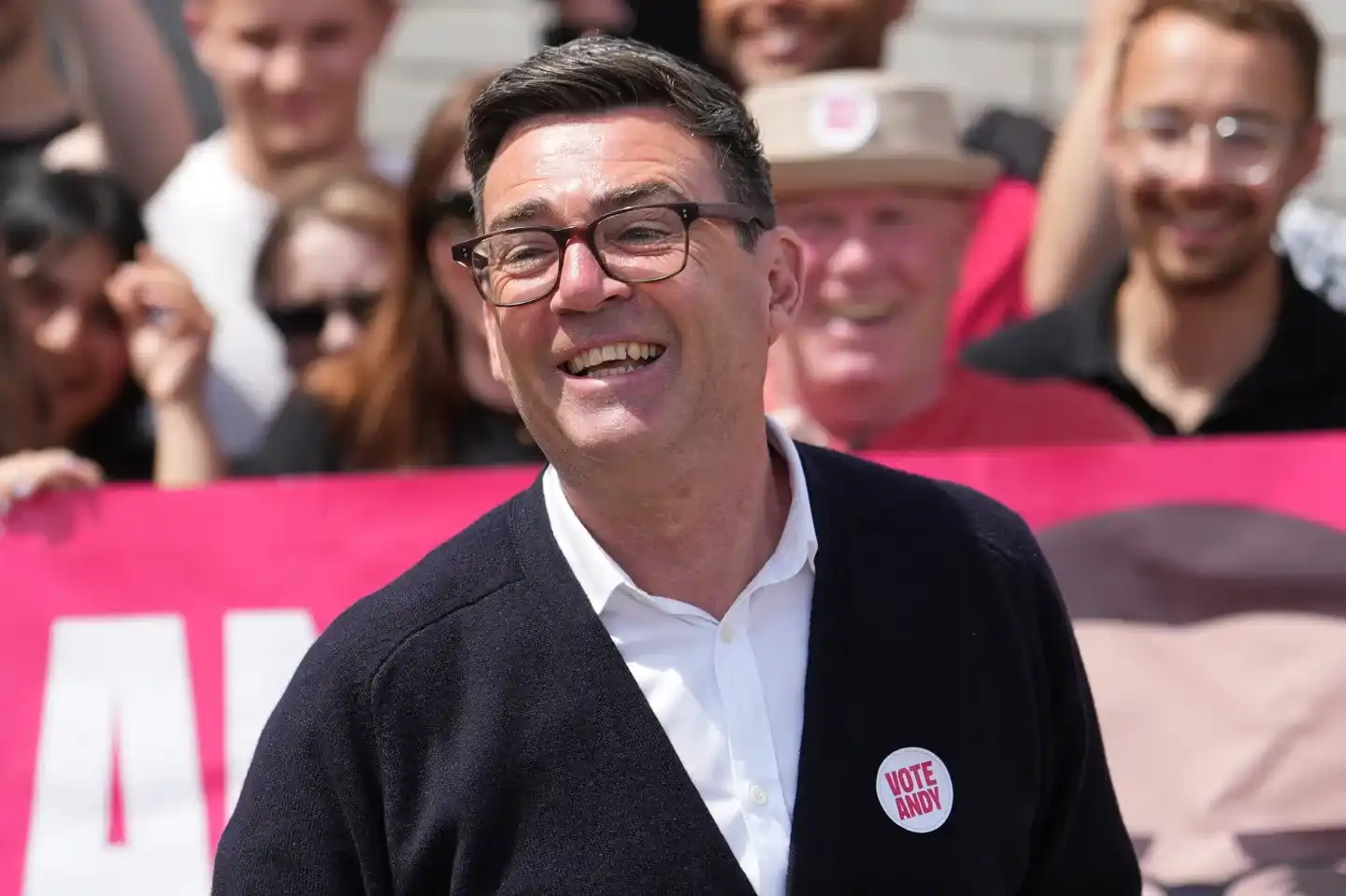
Burnham himself catalyzed the mayoral vacancy through his stunning victory in the Makerfield by-election, where he captured 54.8 percent of votes cast and comprehensively outperformed polling predictions. Reform’s Robert Kenyon finished a distant second with 34.5 percent, underscoring the realignment of political allegiances across the region. Burnham spoke wistfully of the transition, expressing some sadness at ending his nine year tenure as mayor of Greater Manchester, a position he has held since its first contested election in 2017. In each of his three successful campaigns, he secured more than 60 percent of the vote, building a personal political brand that transcended party labels.
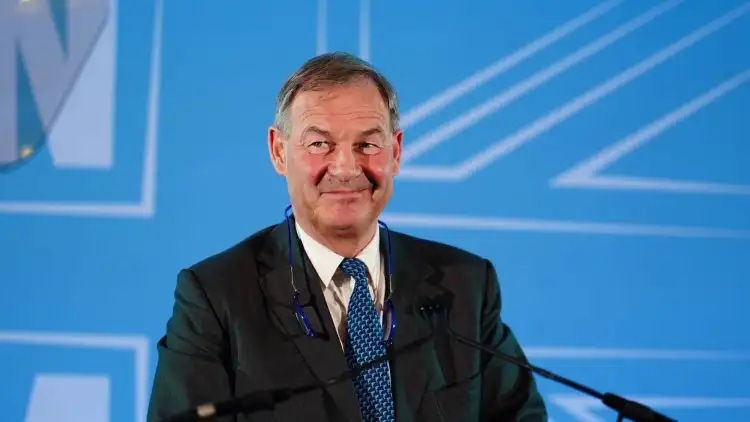
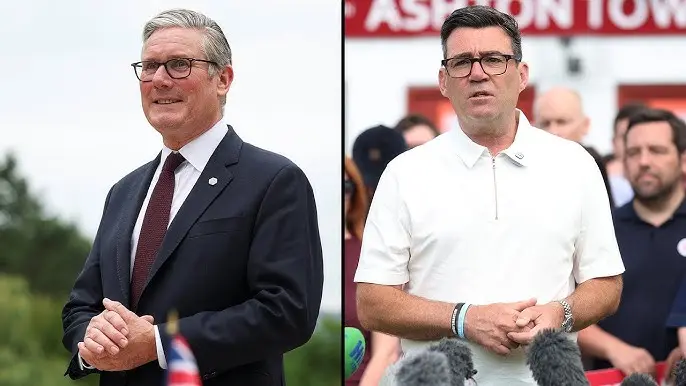
Yet Burnham’s formidable personal popularity has not transferred to his party, which now finds itself fighting for survival in territory it once considered impregnable. The former mayor is now poised to mount a leadership challenge against Prime Minister Sir Keir Starmer, adding another layer of turbulence to Labour’s already chaotic internal politics. Bev Craig, Manchester city council leader, is believed to be the frontrunner to carry Labour’s torch in the mayoral contest, which could be held as soon as July 30. Under a compressed timetable released by the party, applications for selection opened at 5pm on Friday and will close at 5pm on Sunday, an extraordinarily tight window that reflects the urgency of the situation.
Labour’s National Executive Committee will produce a longlist of candidates on June 22, followed by a shortlist the next day, with members voting between 6pm on June 23 and noon on June 26. A party source attempted to reframe the narrative, arguing that Labour’s tenure in Greater Manchester has delivered tangible improvements including buses returned to public control with capped fares, thousands of new homes, and enhanced infrastructure. The source warned that all this progress could be jeopardized by Reform, while dismissing the Greens as incapable of winning. It is time to pass the torch from Burnham to the next transformational Labour mayor, the source insisted, though the confidence rings somewhat hollow given recent electoral battering.
A Green Party spokesperson countered that their campaign would fight hard to win the mayoralty, citing strong performances in both the Gorton and Denton by-election and the local elections as evidence of momentum. The spokesperson echoed Polanski’s framing, asserting it would be a clear Greens versus Reform race. What unfolds in Greater Manchester over the coming weeks will serve as a critical test of whether Labour can ilize its eroding support base in traditional heartlands, or whether the political realignment sweeping through British politics has fundamentally redrawn the electoral map. With Burnham’s charisma no longer available to paper over deeper structural weaknesses, the party faces its most serious challenge in the region in a generation, one that could have profound implications for its capacity to govern nationally.



Leave a comment