
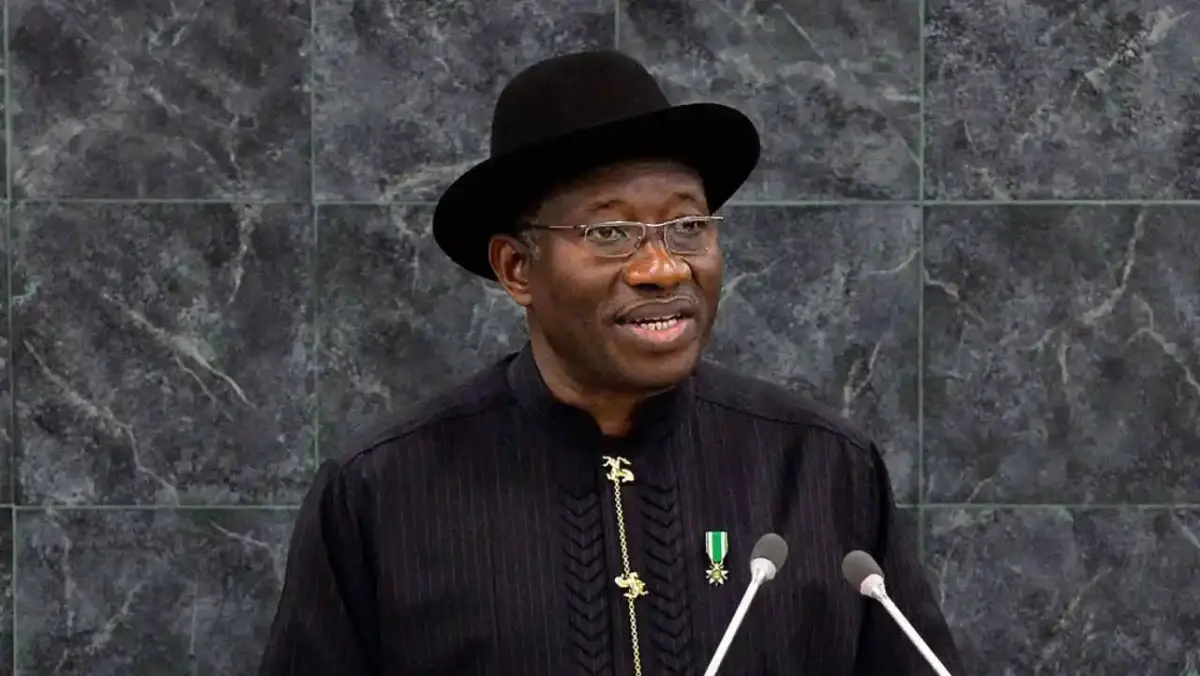
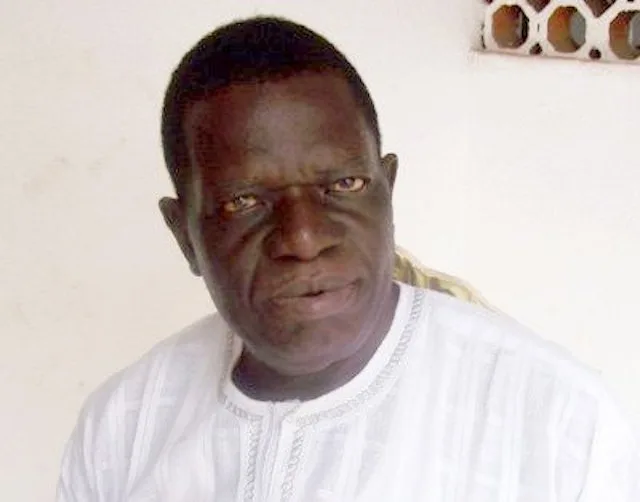
Former President Goodluck Jonathan is being urged to resist mounting pressure to return to the presidential race, with warnings that political opportunists could use his goodwill to advance their own ambitions while damaging the reputation he carefully built through a peaceful transition of power. David Adenuga, a social commentator based in Bauchi State, issued the cautionary advice in an open letter addressed to Jonathan, expressing concern that the elder statesman risks becoming a pawn in partisan calculations that have little to do with national interest.
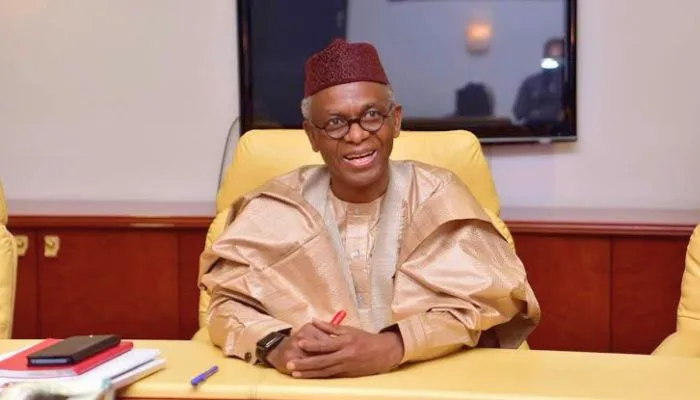
Adenuga’s intervention comes at a critical juncture for Nigerian politics, following Jonathan’s recent emergence as the presidential candidate of the Kabiru Turaki led Interim National Working Committee of the Peoples Democratic Party at a special convention in Abuja. Delegates at the gathering ratified his nomination ahead of the 2027 general election, setting the stage for a potential comeback by the man who voluntarily left power in 2015. Jonathan’s peaceful concession to Muhammadu Buhari in that election earned him international acclaim and elished a democratic precedent in a region often plagued by contested results and political violence.
In his letter, Adenuga questioned the motives of those championing Jonathan’s return, alleging that many of them were previously antagonistic to his administration. He warned that the former president should be wary of becoming entangled with individuals whose damaged reputations could undermine the positive legacy he has cultivated. According to Adenuga, some promoters of the comeback bid have lost credibility in the public space and may be seeking to achieve through Jonathan’s name what they could not accomplish on their own merit. The commentator used pointed language, cautioning that these actors could stain Jonathan’s reputation with what he described as their soiled hands.
Central to Adenuga’s argument is the belief that Jonathan’s most significant contribution to Nigerian democracy was his willingness to prioritize national peace over personal ambition. That 2015 concession, which prevented potential post-election violence, remains the defining moment of his political career and has ensured him a favorable place in history. Adenuga argued that this carefully earned legacy should not be jeopardized by the desperation of a few politicians who may care more about their own fortunes than the future of the country. He emphasized that Jonathan should protect the good name he has built over decades of public service rather than allow himself to be drawn into partisan battles.
The commentator’s letter reflects broader questions about the motivations behind political comebacks in Nigeria, where former leaders are often recycled by parties struggling to field fresh candidates with broad appeal. Jonathan, who served as president from 2010 to 2015 and previously held positions as vice president and governor of Bauchi State, has maintained a relatively low political profile since leaving office. His involvement in diplomatic initiatives and regional peace efforts has allowed him to remain relevant without the controversies that typically accompany active political engagement. Whether he will heed calls to remain above the fray or accept the nomination remains unclear.
As Nigeria approaches the 2027 electoral cycle, the debate over Jonathan’s potential candidacy highlights ongoing tensions within the Peoples Democratic Party, which has struggled to regain power since losing the presidency in 2015. Multiple factions within the party are jockeying for position, and Jonathan’s name recognition and perceived neutrality make him an attractive figure for those seeking to unite disparate interests. Yet Adenuga’s warning suggests that such unity may come at a cost to Jonathan’s personal legacy. Whether the former president values his historical reputation more than another shot at the presidency will likely determine his next move, with implications that extend beyond his personal fortunes to shape the broader political landscape heading into the next election season.








Leave a comment