

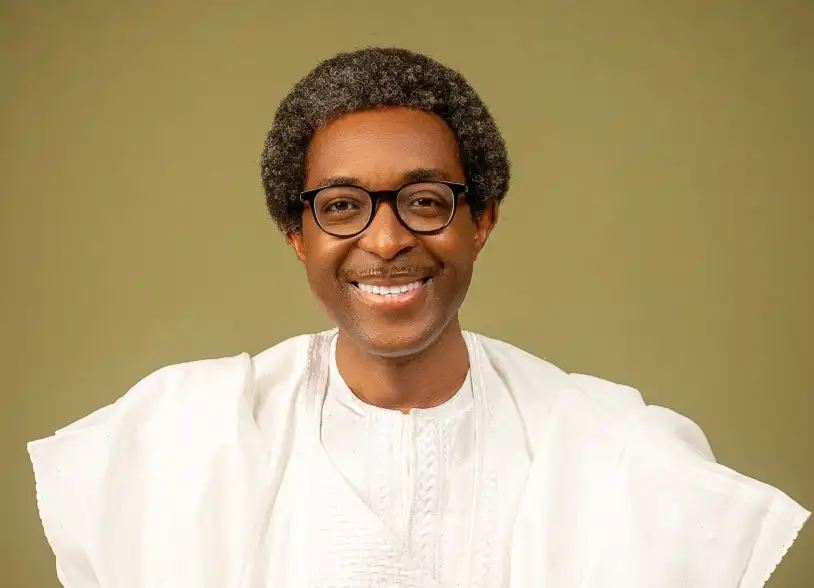
A senior figure within the Social Democratic Party has called for a fundamental reinterpretation of Section 21 of the Nigerian Constitution, describing it as essential to unlocking the nation’s political legitimacy and economic potential before the 2027 general elections. Olusegun Babalola, who is also a member of the pan-Yoruba socio-political group Afenifere, argues that decades of misunderstanding this constitutional provision have left Nigeria’s governance structures disconnected from their cultural foundations. His comments signal a growing debate about whether Nigeria’s constitutional framework adequately reflects the country’s diverse indigenous systems of authority and decision making.
In a statement released on Friday, Babalola characterized the proper understanding of Section 21 as the “keystone” necessary for achieving the broader objectives laid out in Chapter II of the 1999 Constitution. That chapter outlines the fundamental objectives and directive principles of state policy, including social, economic, and cultural goals that successive governments have struggled to implement. Babalola contends that Nigeria’s persistent failure to integrate traditional governance systems into modern state structures has systematically undermined both the legitimacy of political institutions and the country’s capacity for sustainable economic development.

The renewed focus on these constitutional provisions follows the acceptance speech delivered by SDP presidential candidate Adewole Adebayo at the party’s presidential convention in Bauchi on May 9, 2026. Adebayo’s emphasis on Chapter II has thrust constitutional interpretation back into the center of national political discourse, with party leaders now making the case that cultural provisions have been too narrowly construed. Section 21 mandates that the state shall “protect, preserve, and promote Nigerian cultures,” language that has historically been applied primarily to festivals, traditional dances, and artistic expressions rather than substantive governance reforms.
Babalola’s critique centers on what he sees as a crucial misreading of constitutional intent. Rather than simply safeguarding cultural artifacts and performances for posterity, he argues that Section 21 should be understood as requiring the embedding of indigenous constitutional principles directly into the machinery of government. This interpretation would transform the provision from a passive preservation mandate into an active requirement for institutional reform. “The ‘Rise of the Rest’ is, ultimately, the rise of those who understood their culture not as a memory to be displayed, but as a living constitution to be lived,” Babalola stated, invoking language that positions Nigeria’s constitutional evolution within a broader global context of postcolonial nations reasserting cultural sovereignty.
Constitutional scholars have long debated the justiciability and practical application of Chapter II provisions, which are generally considered directive principles rather than enforceable rights. Yet Babalola’s argument suggests that the cultural protection clause offers an underutilized avenue for reimagining governance structures that more authentically reflect Nigerian realities. His position resonates with longstanding critiques from groups like Afenifere, which have consistently advocated for restructuring Nigeria’s highly centralized federal system to grant greater autonomy to regions and traditional institutions. Whether this interpretation gains traction beyond SDP circles remains to be seen, but it represents a significant effort to use constitutional language to justify fundamental reforms.
As Nigeria approaches the 2027 election cycle, debates over constitutional interpretation and structural reform are likely to intensify across the political spectrum. Babalola’s intervention suggests that opposition parties may increasingly frame their platforms around questions of governance legitimacy and cultural authenticity, challenging the existing constitutional order not just on policy grounds but on foundational principles. How voters respond to these arguments, and whether they translate into electoral success for parties embracing this framework, will help determine whether Nigeria’s next chapter involves merely rotating political elites or undertaking deeper institutional transformation. The conversation Babalola seeks to elevate may prove more consequential than any single election outcome.
You May Like




















Leave a comment