
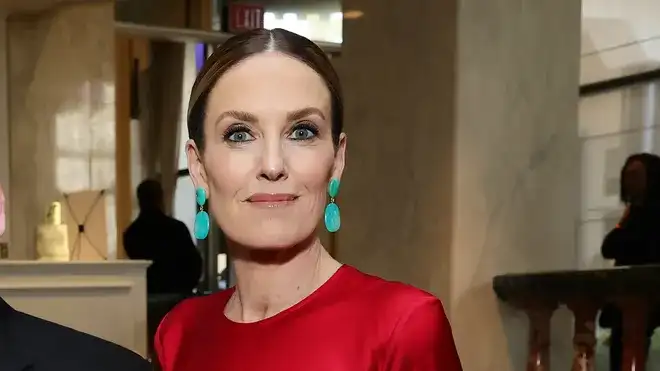
After nearly two decades at CBS News and more than a decade as a correspondent for 60 Minutes, Sharyn Alfonsi’s tenure at the network has come to an abrupt end following what she describes as an intense editorial dispute over a story the network delayed in December. The 53 year old journalist’s contract expired over the weekend, but it was the circumstances surrounding a segment on El Salvador’s controversial CECOT prison that appear to have sealed her departure from one of television’s most prestigious news programs.
At the heart of the controversy sits a December segment titled Inside CECOT, which examined the maximum security anti-terrorism prison in El Salvador that has become a symbol of President Donald Trump’s immigration enforcement policies. Human rights organizations have condemned the facility for its dangerous conditions and treatment of inmates. Alfonsi claims the story was pulled not for journalistic reasons but for political ones, a charge that strikes at the core of editorial independence in broadcast journalism. According to her statement to multiple news outlets, the segment had been screened five times and cleared by both CBS attorneys and Standards and Practices before it was suddenly yanked hours before its scheduled airtime.
CBS News offered a different explanation for the delay, with a network spokesperson stating that the story required additional reporting before broadcast. When the segment finally aired on January 18, it included added commentary from the U.S. Department of Homeland Security, details about the criminal records of those deported to the facility, and additional reporting on inmates with gang tattoos. Network executives maintained that these additions strengthened the journalistic integrity of the piece and provided necessary context for viewers.
Alfonsi, however, painted a picture of political interference rather than editorial improvement. In an email to 60 Minutes staffers that was later shared with news outlets, she warned that viewers would correctly identify the delay as corporate censorship. She expressed concern that the network was trading 50 years of its Gold Standard reputation for a single week of political quiet. Her frustration deepened after the story was pulled despite days of promotion that had set viewer expectations, leaving the program with an awkward gap in its scheduled programming.
Following the December incident, Alfonsi’s representatives made repeated attempts to elish a path forward with CBS News leadership, but those efforts were reportedly met with what she characterized as absolute silence from network executives. That silence, she concluded, sent an unmistakable message about her future at the venerable news program. According to statements she provided to the Los Angeles Times and People magazine, Alfonsi learned that CBS News editor in chief Bari Weiss had made the decision to cut the segment, and that the decision was political rather than journalistic in nature.

The departure of a veteran correspondent under such circumstances raises broader questions about editorial independence at major broadcast networks during an era of intense political polarization. As legacy news organizations navigate relationships with powerful political figures and face pressure from multiple directions, the balance between thorough journalism and external considerations becomes increasingly delicate. Whether Alfonsi’s exit represents an isolated incident or signals deeper tensions within CBS News remains to be seen, but her public statements ensure that the circumstances of her departure will fuel ongoing debates about media independence and corporate influence over newsroom decisions.













Leave a comment