

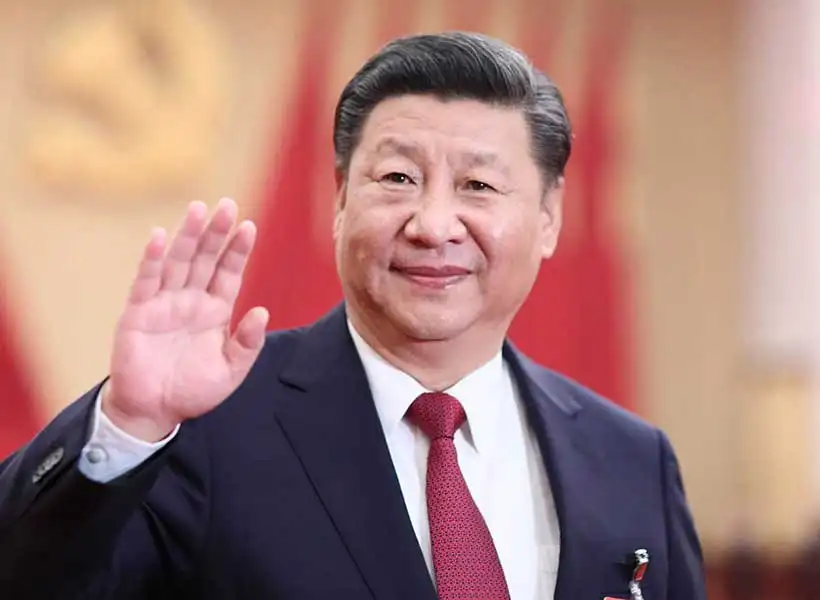
President Xi Jinping has met with Russian Foreign Minister Sergei Lavrov in Beijing as China continues an intensive round of diplomatic engagements linked to the escalating Middle East crisis and global energy concerns.
According to Chinese state media, the meeting comes as several world leaders, including Spanish Prime Minister Pedro Sanchez, Abu Dhabi Crown Prince Sheikh Khaled bin Mohamed bin Zayed Al Nahyan, and Vietnamese leader To Lam, also held talks with Xi this week.
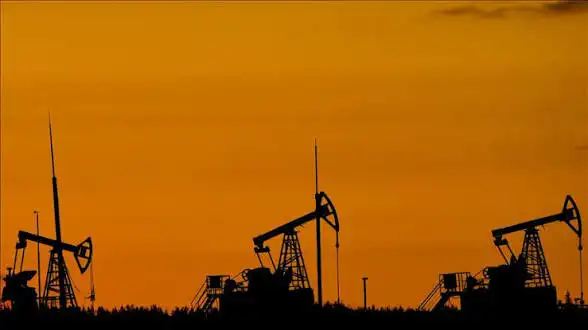
Lavrov told reporters after the meeting that Russia could help “compensate” for China’s energy needs amid disruptions in global supply routes caused by tensions in the Strait of Hormuz, a key passage for global oil shipments.
China, the world’s largest oil importer, has faced rising energy costs affecting fuel, plastics, and fertiliser markets due to the conflict, prompting concerns over supply ility and economic pressure.
During discussions at the Great Hall of the People, Xi Jinping urged China and Russia to strengthen cooperation, highlighting the importance of geographic proximity and strategic trust between both nations.
He also emphasised the need for deeper bilateral ties and mutual support in navigating global uncertainties, according to state broadcaster reports.
Lavrov, in turn, described China Russia relations as a ilising force in global affairs and confirmed ongoing coordination on major international issues, including the Middle East conflict and the war in Ukraine.
Chinese Foreign Minister Wang Yi also held separate talks with Lavrov, where both sides discussed regional security concerns, energy ility, and preparations for a future meeting between Xi Jinping and Russian President Vladimir Putin.
Analysts say China is positioning itself as a potential mediator in the Middle East crisis while also safeguarding its energy interests and maintaining strategic partnerships.
Experts note that while Russia may benefit from higher energy demand, diverging interests could emerge as global tensions continue to reshape economic and diplomatic alignments.
Beijing and Moscow have strengthened ties significantly since 2022, with both countries increasing cooperation in trade, energy, and geopolitical strategy amid rising tensions with Western nations.





Leave a comment