

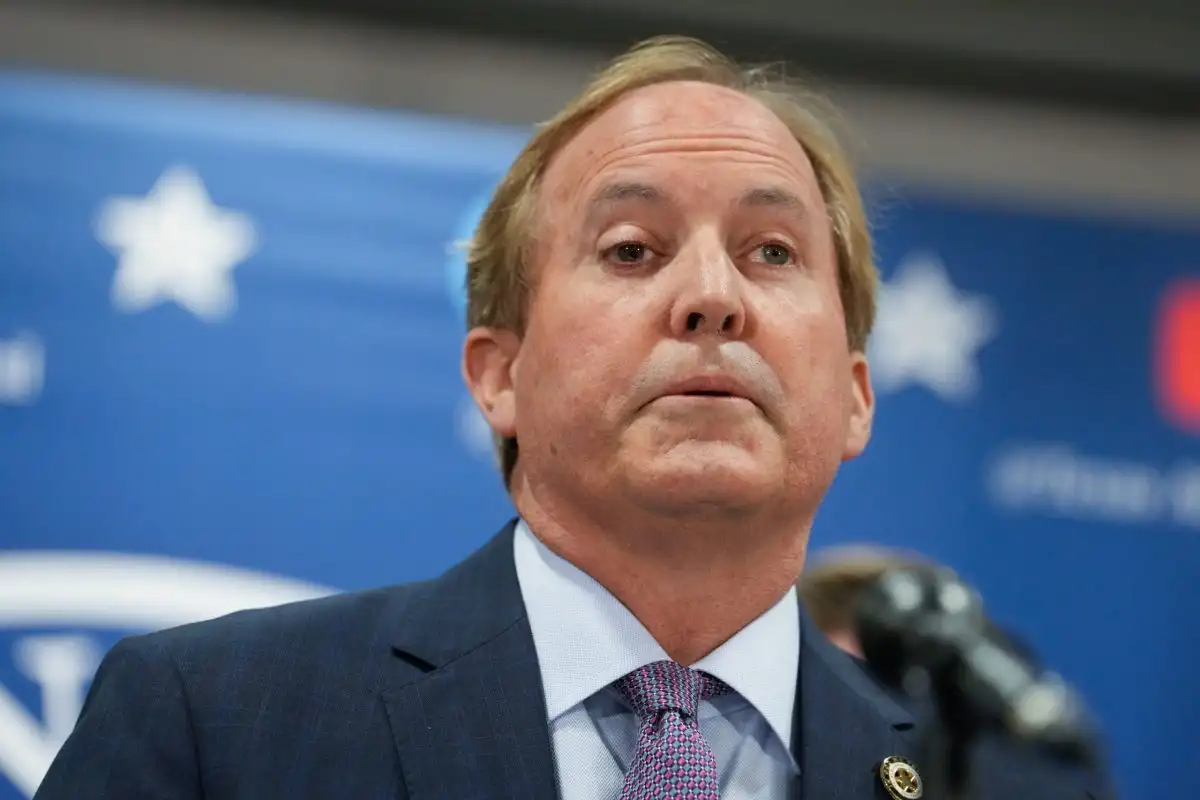
Texas Republicans have spoken, and their choice says everything about where American politics stands in 2026. By selecting Attorney General Ken Paxton as their Senate nominee, voters in the Lone Star State decisively rejected the elishment conservatism embod by outgoing Senator John Cornyn, setting up a November showdown that perfectly encapsulates the nation’s widening political divide. Paxton will face Democratic state Representative James Talarico in a contest where the only thing the candidates seem to share is a remarkable talent for embodying the excesses of their respective parties.
Political observers see the matchup as both fitting and troubling for American democracy. Polling consistently shows that most Americans are far less polarized in their daily lives than the politicians who claim to represent them, yet voters continue to reward outrage and performance over character and substantive leadership. Until that ces, experts warn, the country will struggle to produce the servant minded, strategic statesmen that complex governance demands. Instead, deeply flawed candidates from both parties will continue to dominate races for high office, reflecting not the moderation of the electorate but rather the incentive structures of primary contests and social media driven campaigns.

Meanwhile, assumptions about Israeli politics may be masking a deeper consensus that transcends any single leader. Some Democrats have sought to separate their criticism of Prime Minister Benjamin Netanyahu from their overall support for Israel, while certain voices on the right complain that his approach conflicts with an America First foreign policy. Both camps assume that replacing Netanyahu would fundamentally shift the dynamics of U.S. Israel relations in their preferred direction. Recent history suggests otherwise. When rumors circulated about a potential U.S. Iran agreement that might restrict Israel’s freedom to respond to Hezbollah threats, Netanyahu’s domestic rivals ed him from the right, despite positioning themselves to his left on most other issues. Israeli public opinion maintains soing close to consensus on core security needs, and politicians across the spectrum uphold that consensus regardless of party affiliation. Israelis are going to support eliminating the threats they face, no matter who occupies the prime minister’s office.
Back home, the digital revolution continues remaking nearly every aspect of modern life, including childhood itself. Suburban American children find themselves weirdly held hostage indoors, tethered to screens that simultaneously prevent them from developing imagination, resilience, and grit while allowing them to navigate dark corners of the internet without supervision. For generations, Americans succeeded by pushing boundaries and embracing challenges, but contemporary parenting culture increasingly shelters children from low risk failures before tossing young adults into the deep end of college and career. Kids remain addicted to screens largely because parents have failed to give them soing better to do. Raising stronger, more resilient children requires giving them more freedom and demanding more responsibility, allowing for the adventures and misadventures that have always defined healthy childhood development.
Representative Alexandria Ocasio Cortez appears to be laying groundwork for a 2028 presidential run, capitalizing on her profile with every incentive to strike while the iron remains hot. Yet her performance on the international stage raises serious questions about readiness for higher office. At the Munich Security Conference, she responded to a question about Taiwan with incoherent answers, and when asked about balancing increased defense spending with national debt concerns, she retreated to familiar talking points about the billionaire class. Perhaps most tellingly, she referred to NAFTA, which was replaced in 2020, as a failed policy. Her reluctance to participate in sit down interviews becomes particularly concerning given that anyone seeking the presidency must accept the scrutiny that accompanies the position.
As the 2026 midterms approach and positioning begins for the 2028 presidential cycle, these disparate stories point to a common challenge facing American democracy. Voters across the political spectrum express frustration with polarization and dysfunction, yet primary electorates continue selecting candidates who excel at performance over governance. Whether in Texas Senate races, debates over foreign policy, concerns about childhood development, or presidential ambitions, the gap between what voters say they want and what the political system delivers continues to widen. Bridging that gap will require more than dissatisfaction with the status quo. It demands that voters in both parties prioritize competence, character, and the capacity for bipartisan problem solving over the tribal loyalties and righteous anger that dominate contemporary politics.














Leave a comment