

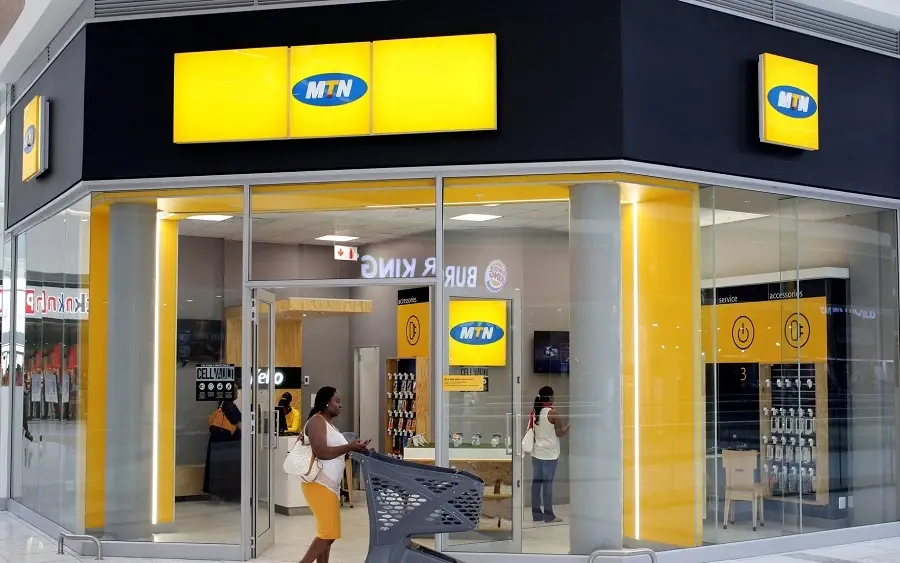
In a matter of days, MTN Nigeria reportedly recovered close to N2 trillion in unpaid airtime advances. While the number is staggering, the real significance lies beyond corporate balance sheets. It reveals a deeper shift in how everyday life is structured in Nigeria.
Airtime is no longer just a telecom product. For millions, it has become a substitute for liquidity. The “borrow airtime” feature is not merely a convenience. It functions as an informal credit system embedded within daily communication. Calls, messages, and essential interactions increasingly depend on access to micro credit.

In this reality, silence is no longer neutral. It reflects constraint. A missed call can mean a missed opportunity, a delayed transaction, or an unaddressed emergency. Communication itself has become conditional.
This transformation is rooted in broader economic pressure. Rising inflation, currency devaluation, and stagnant wages have compressed disposable income across households. Basic needs such as food, transport, and energy now compete tightly for limited resources, pushing communication into the same survival framework.
Telecom operators like MTN Group have adapted by integrating credit systems directly into their services. Airtime advances are issued instantly, repaid automatically, and scaled across millions of users without traditional banking structures. What emerges is lending without the formal identity of lending.
Individually, these debts are small. Collectively, they are massive and continuous. Many users cycle through borrowing and partial repayment, creating a pattern of dependency that rarely appears in official financial data.
This raises an important regulatory question. At what point does airtime advance become consumer credit? It meets key criteria such as value advance, repayment obligation, and service charges, yet remains outside standard financial oversight.
More importantly, the trend reflects a structural issue. When communication becomes credit based, it signals deeper economic strain. Airtime borrowing is not just innovation. It is adaptation to an environment where everyday liquidity is no longer guaranteed.
The implication is profound. Mobile connectivity, once a basic utility, is now tied to financial access. In this system, even the ability to speak is influenced by credit availability.


















Leave a comment