

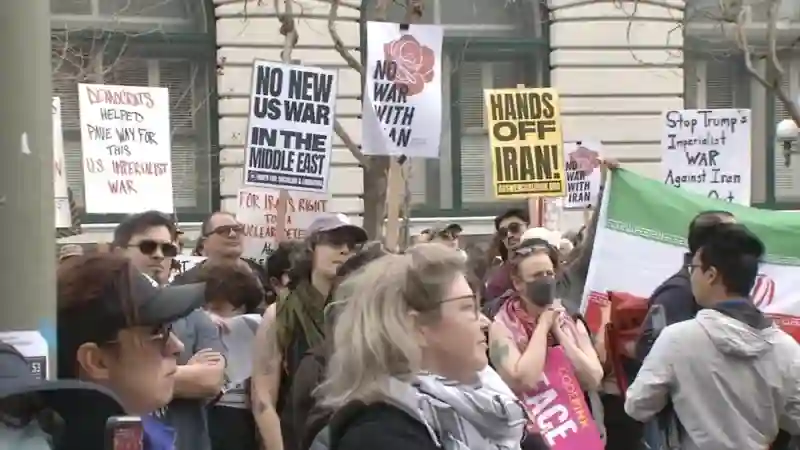
The United States is losing its war with Iran, and the evidence is mounting at an alarming pace. Nearly five months into a conflict that has pushed Brent crude to $94 per barrel and forced American forces into a steady retreat across West Asia, the strategic picture has grown dire for Washington. While media coverage continues to frame the confrontation in terms of routine tit for tat strikes, a c examination reveals that Iran is systematically dismantling the regional security architecture the US spent decades building, and doing so with a clarity of purpose that has caught American planners off guard.
Credible military experts now describe Iran’s war aims as far more ambitious than mere survival. Rather than playing a defensive insurgency game, waiting for America’s will to crumble under mounting costs, Tehran has pursued what can only be called a punitive victory. The goal appears to be inflicting such a decisive defeat on the United States and Israel that neither will consider meaningful military action against Iran for a generation. Iran’s media strategy reinforces this assessment, repeatedly framing American actions in ways designed to humiliate the Trump Administration rather than create diplomatic off ramps. Secretary of State Marco Rubio’s recent dismissal of peace talks only strengthens Tehran’s narrative that Washington has no path forward except escalation it cannot sustain.
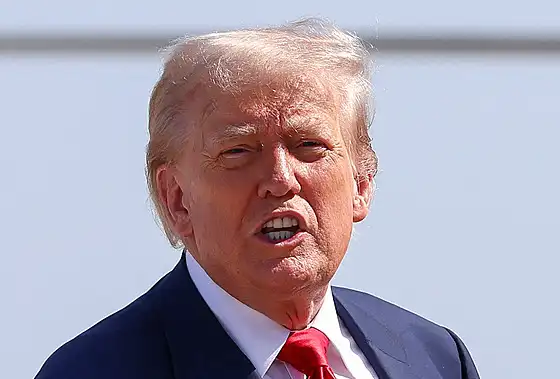
The transformation of American objectives tells its own story. Washington entered this conflict with sweeping goals that amounted to the subjugation of Iran. Today, those aims have narrowed dramatically to a single imperative: reopening the Strait of Hormuz. Even that limited goal now appears beyond reach. Shipping transits through Hormuz have declined precipitously, while vessels increasingly avoid the Bab el Mandeb strait altogether, rerouting around Africa at enormous cost. Energy markets are reacting accordingly, with oil prices climbing steadily as traders price in prolonged disruption to Gulf exports. The economic pressure is building faster than military planners anticipated.
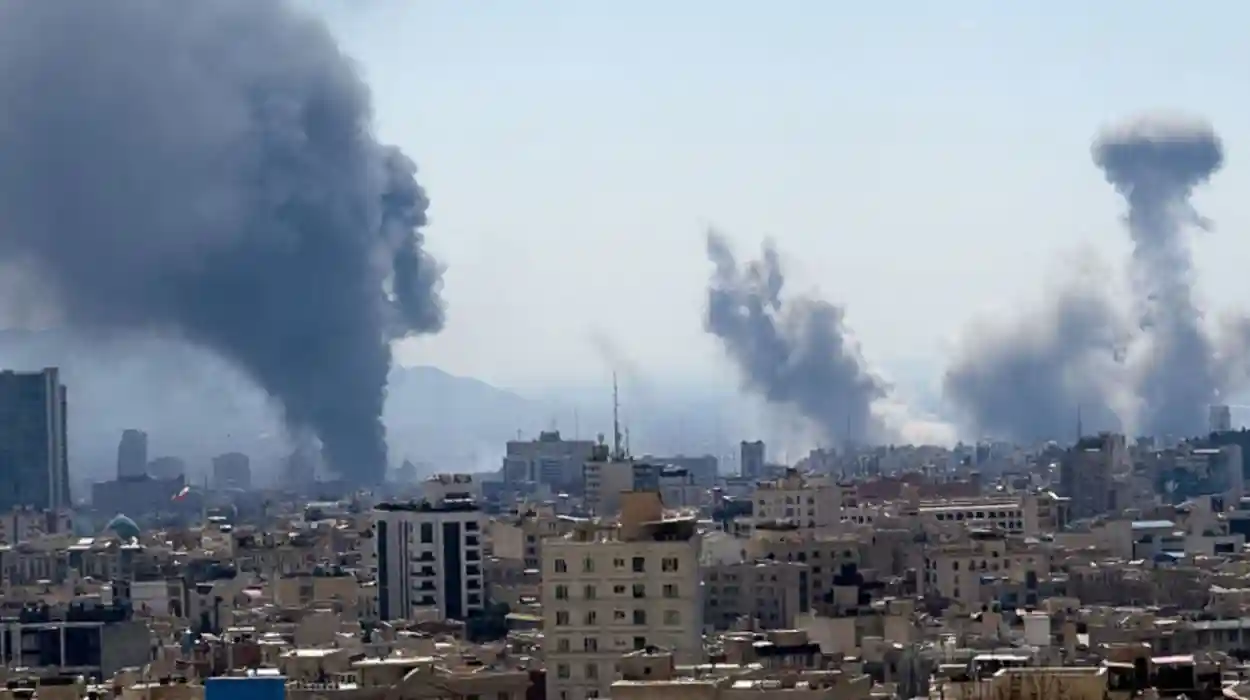
Iran’s campaign has forced a geographic retreat that military analysts find deeply troubling. American forces are withdrawing from bases throughout the Persian Gulf, consolidating in Jordan. Iranian strikes are now pounding those Jordanian positions relentlessly, making clear that this fallback position offers only temporary respite. Tehran has telegraphed its next move with unusual clarity: once US forces retreat further to Israel, the focus of Iranian s will shift accordingly. The multilayered defense system America constructed to protect Israel from Iranian missiles and drones is being odically degraded. Adding to Washington’s dilemma, Iran has warned it stands ready to extend operations into Europe should the United States attempt to wage war from more distant bases beyond the region.
The mathematics of American military power in theater underscore the challenge. Professor John Mearsheimer recently noted that while the United States maintains roughly 50,000 troops in the region, only about 8,000 represent actual combat forces. Against a nation of 93 million people defending forbidding terrain, that number is effectively irrelevant. Robert Pape, whose career has focused on studying ing campaigns, points out that air power has never won wars alone. Ground forces secure victories, and the United States lacks anything close to the ground presence required to prevail against Iran. President Trump has vowed further escalation even as these realities become apparent, while Defense Secretary Pete Hegseth faced withering questioning during recent congressional hearings on Iran strategy. Lawmakers from both parties expressed alarm at the deteriorating military position and the lack of achievable objectives.
Historical parallels offer sobering lessons that seem lost on current policymakers. Britain’s 1956 Suez invasion failed not because of military defeat on the ground but because a sterling crisis spiraled out of control, forcing London to seek IMF assistance. American backing for that intervention came with a price: immediate withdrawal of British and French forces. Financial pressure achieved what military resistance could not. Today, energy market disruptions and the broader economic fallout from the Iran conflict are creating similar vulnerabilities for the United States, even as Washington’s military position weakens simultaneously.
What happens next remains uncertain, but the trajectory is clear. Iran shows no inclination to accept a negotiated settlement that preserves American interests in the region, while the United States has yet to demonstrate it can reverse its military fortunes or ilize energy markets. Netanyahu’s government faces growing internal crisis, and Iran appears content to wait for Israel to strike first, confident that time favors Tehran. Trump Administration officials continue to speak of escalation, but the gap between rhetoric and capability grows wider each week. Unless Washington fundamentally reassesses its strategy or discovers military options not yet apparent, the question is no longer whether the United States can achieve its objectives in this conflict, but rather how much further its position will erode before political realities force a reckoning with failure.















Leave a comment