

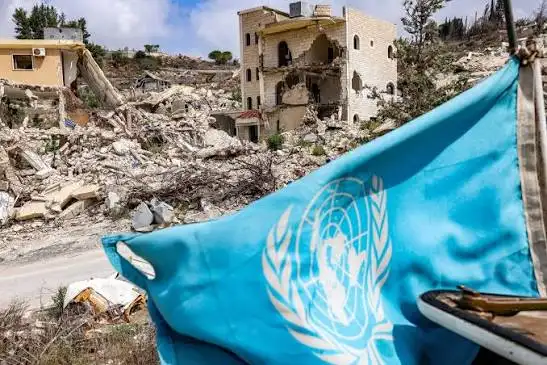
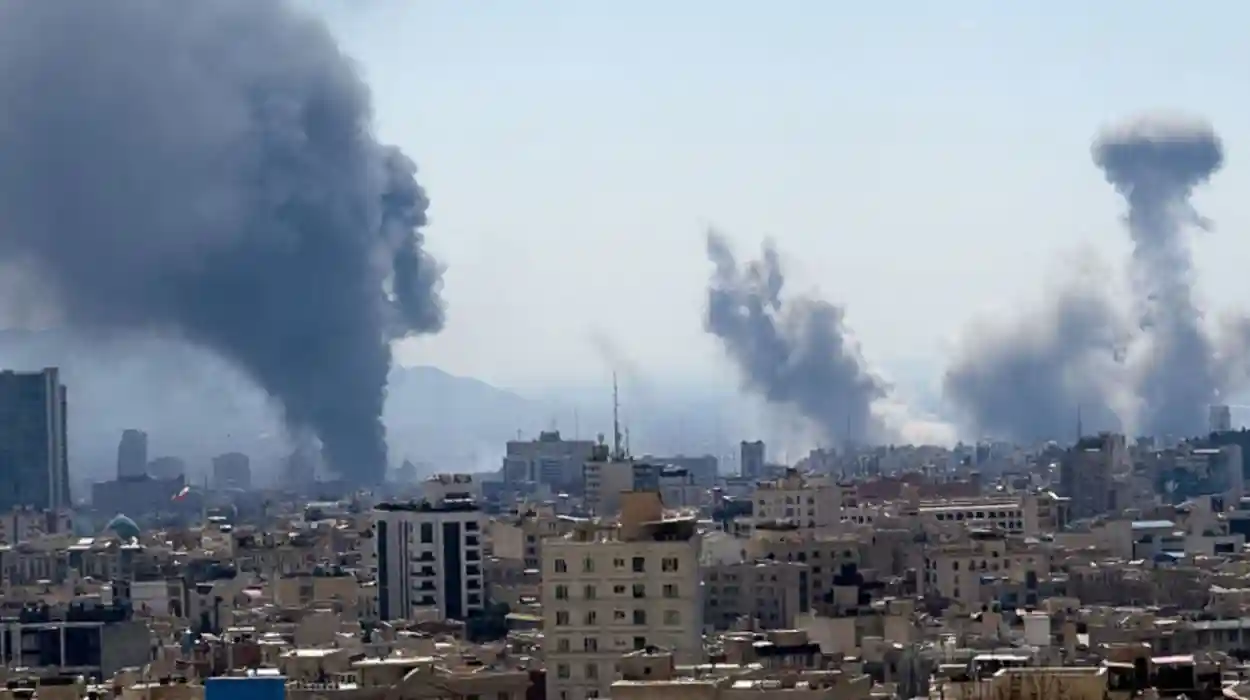
United Nations humanitarian agencies have warned that civilians across parts of the Middle East face an increasingly severe crisis as regional hostilities intensify. Aid organizations say expanding military confrontations are placing vulnerable populations at greater risk while complicating efforts to deliver essential assistance.
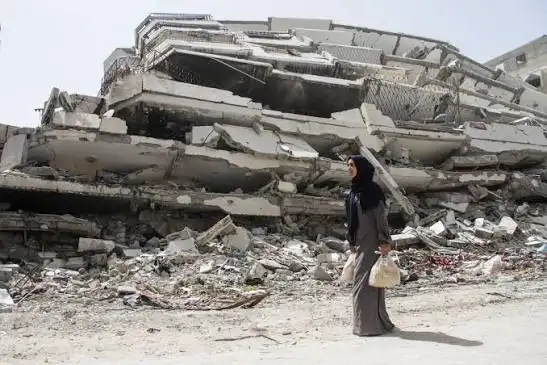
Officials from multiple UN bos reported that communities in areas affected by recent military activity are experiencing shortages of food, medical supplies, and safe shelter. Damage to infrastructure, including hospitals and transportation networks, has disrupted humanitarian operations and limited access to those in need.
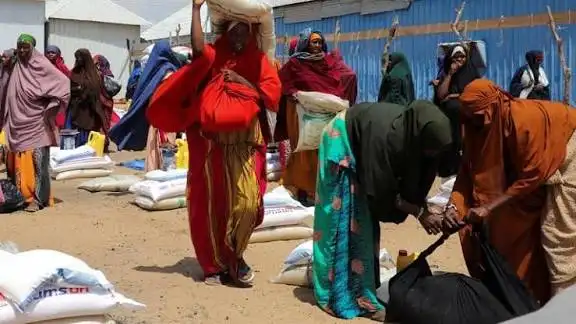
Humanitarian coordinators emphasized that civilians often bear the greatest burden during armed conflicts. Displacement has increased in several areas as families flee zones of active fighting. Temporary shelters and relief centers are struggling to accommodate rising numbers of displaced people.
The United Nations called on all parties involved in the conflict to respect international humanitarian law and prioritize the protection of civilian populations. Aid agencies stressed the importance of maintaining safe corridors that allow relief workers to reach affected communities.
Medical organizations operating in the region have reported growing strain on healthcare systems. Facilities treating the injured face shortages of equipment and personnel, while the risk of disease outbreaks increases when sanitation systems are disrupted.
International donors have been urged to provide additional funding for emergency response efforts. Humanitarian groups say that existing resources are insufficient to meet the scale of emerging needs if the conflict continues to expand.
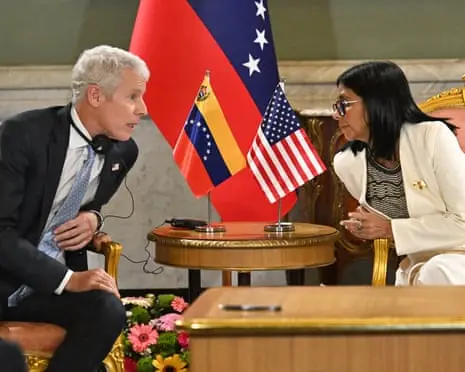
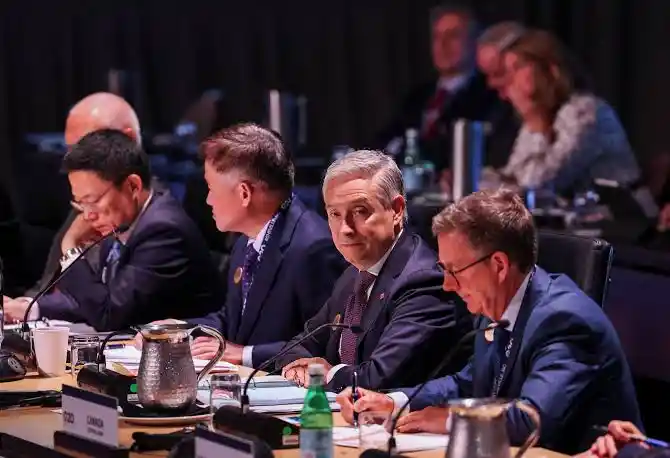
Diplomatic leaders have also been encouraged to pursue negotiations that could reduce hostilities and create conditions for sustained humanitarian access. Aid officials stress that humanitarian response alone cannot resolve the underlying causes of conflict.
Analysts warn that prolonged inility could lead to a broader regional crisis with significant social and economic consequences. The United Nations continues to coordinate with governments, non governmental organizations, and local partners to support affected populations.
















Leave a comment