
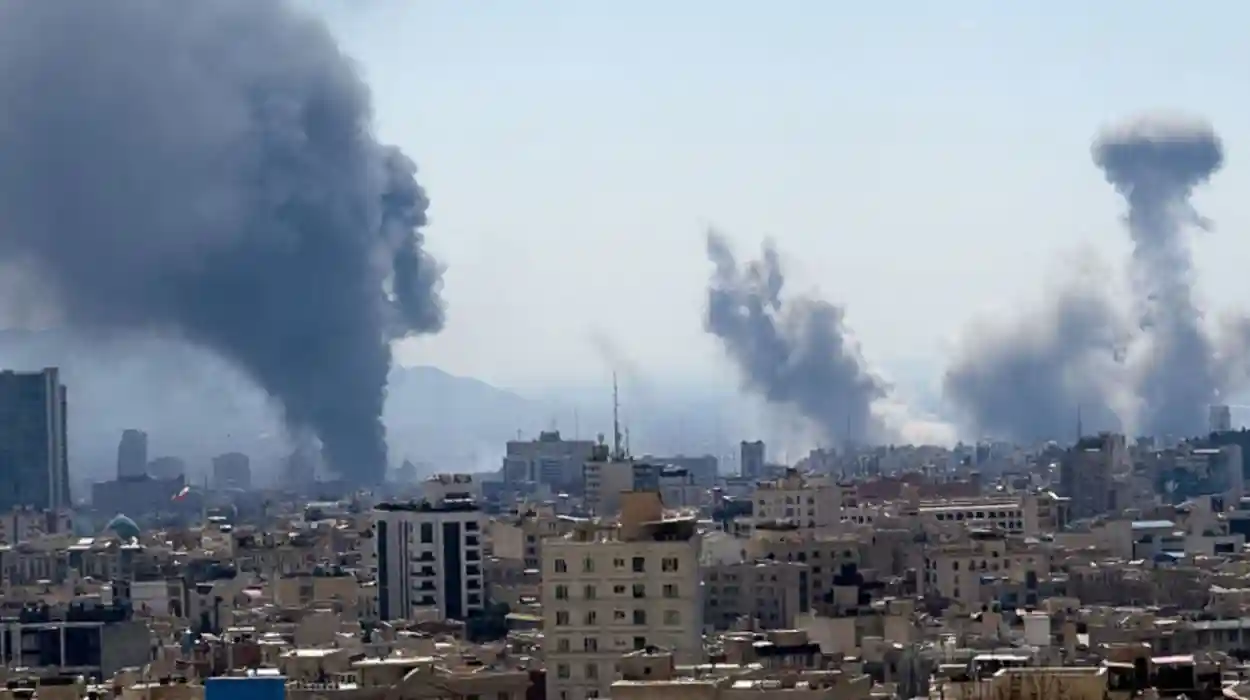
The United Nations has raised alarm over a sharp escalation in human rights violations in Iran, reporting that at least 21 people have been executed and more than 4,000 arrested since the outbreak of the Middle East war in late February 2026.
According to the UN Human Rights Office, several of the executions are linked to protests that erupted in January 2026, while others involved accusations of opposition group membership and alleged spying.

The report highlights growing concerns about the use of capital punishment in politically sensitive cases.
UN High Commissioner for Human Rights Volker Turk described the situation as deeply alarming, warning that wartime conditions are being used to justify widespread repression. He urged Iranian authorities to halt further executions, introduce a moratorium on the death penalty, and ensure fair trial protections for all detainees.
The UN estimates that more than 4,000 individuals have been arrested on national security related charges. Many detainees are reportedly subjected to forced disappearances, torture, and other forms of inhumane treatment, including forced confessions that are sometimes broadcast publicly.
The report also alleges that some court proceedings are conducted rapidly, with convictions based on coerced confessions. At least nine executions are believed to be directly linked to protest related cases.
Human rights advocates have also raised concerns over the disappearance of several detainees, including prominent lawyer Nasrin Sotoudeh, who has reportedly been transferred to an undisclosed location.
The UN further highlighted deteriorating prison conditions across Iran, citing overcrowding, lack of medical care, and shortages of basic necessities such as food and water. In one reported incident at Chabahar prison, security forces allegedly used lethal force against protesting inmates, resulting in multiple deaths and injuries.
Additionally, authorities are said to have imposed widespread internet restrictions lasting more than two months, severely limiting access to information and communication nationwide.
The United Nations called for urgent international attention, warning that continued repression could deepen the humanitarian crisis and further deilize the region.
You May Like









Leave a comment