

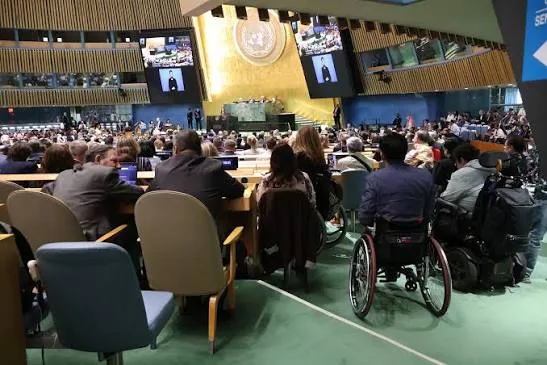
The global landscape of modern warfare has reached a critical turning point, with autonomous drones and unmanned weapons systems causing unprecedented civilian casualties across multiple continents. Volker Türk, the United Nations’ human rights chief, issued an urgent call for international regulation on Monday, warning the UN Human Rights Council in Geneva that the world faces a fundamental shift in how conflicts are waged. His stark message comes as drone strikes continue to devastate civilian populations from Eastern Europe to East Africa, transforming warnings that have echoed through UN corridors for years into a terrifying present reality.
In Ukraine, where Russia’s full scale invasion has now entered its fifth year, relentless drone s have terrorized civilians and caused mass casualties according to Türk’s assessment. At least four people were ed and 28 injured in the latest Russian drone strike on Kyiv alone, underscoring the daily threat facing Ukrainian population centers. Yet the crisis extends far beyond Europe’s borders, with Sudan experiencing what experts describe as an exponential increase in drone related violence. More than 1,000 civilians have been ed by indiscriminate drone strikes in Sudan this year alone, representing an alarming escalation in a conflict already marked by brutality and humanitarian catastrophe.
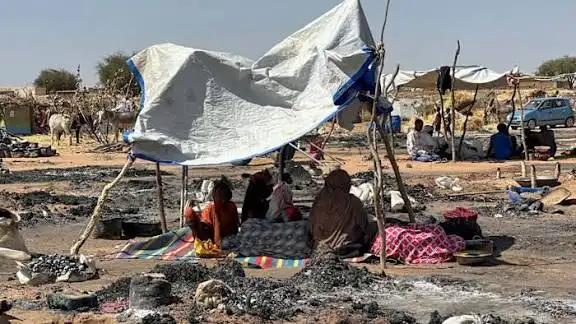
Statistical analysis paints an even grimmer picture of the acceleration in unmanned warfare. The US based Armed Conflict Location & Event Data Project documented an 81 percent increase in drone s in Sudan between 2024 and 2025, alongside a staggering 600 percent increase in drone related deaths during the same period. Jenny Chapman, the United Kingdom’s Minister for Africa and International Development, condemned the warring parties in Sudan for using drones supplied by their international backers to deliberately target civilians and aid workers. She emphasized the critical importance of documenting abuses and preserving evidence as essential steps toward breaking what she called the cycle of impunity that has allowed such s to proliferate unchecked.
Türk warned that the proliferation of unmanned systems is creating a new circle of hell for non combatants caught in war zones, a situation that risks dramatic escalation as artificial intelligence capabilities advance. His concern centers not merely on current technologies but on the prospect of fully autonomous weapons systems operating beyond meaningful human control, devices sometimes referred to colloquially as er robots. The UN official painted a disturbing picture of future conflicts where billion dollar AI enabled weapons face off against equally sophisticated defensive shields, exposing what he described as the horror, emptiness, and futility of modern war. Autonomous weapons cannot become a license for atrocity crimes, he insisted, drawing a clear line between technological capability and moral responsibility.
International precedent exists for regulating particularly devastating weapons systems, with treaties already governing chemical weapons and certain munitions such as cluster s. Türk has called for similar international frameworks to regulate unmanned drones and autonomous weapons, urging states to grapple urgently with the profound moral and legal questions raised by these technologies. Countries must update their legal frameworks to require human control and ensure accountability, he argued, while also recommitting to diplomacy and mediation as alternatives to increasingly mechanized violence. Beyond Ukraine and Sudan, deadly unmanned drones have played significant roles in conflicts across DR Congo, Myanmar, and the Middle East, demonstrating the global scope of this emerging threat to civilian populations.
As artificial intelligence continues its rapid evolution and integration into military systems, the window for effective international regulation may be closing faster than diplomatic processes typically move. Whether the international community can forge consensus on binding restrictions before autonomous weapons become further entrenched in military arsenals worldwide remains an open and urgent question. The mounting civilian death toll across multiple continents suggests that delay carries profound human costs, transforming theoretical debates about future warfare into immediate questions of survival for vulnerable populations caught in conflict zones where the machines of war operate with ever greater autonomy and ever more devastating effect.
















Leave a comment