

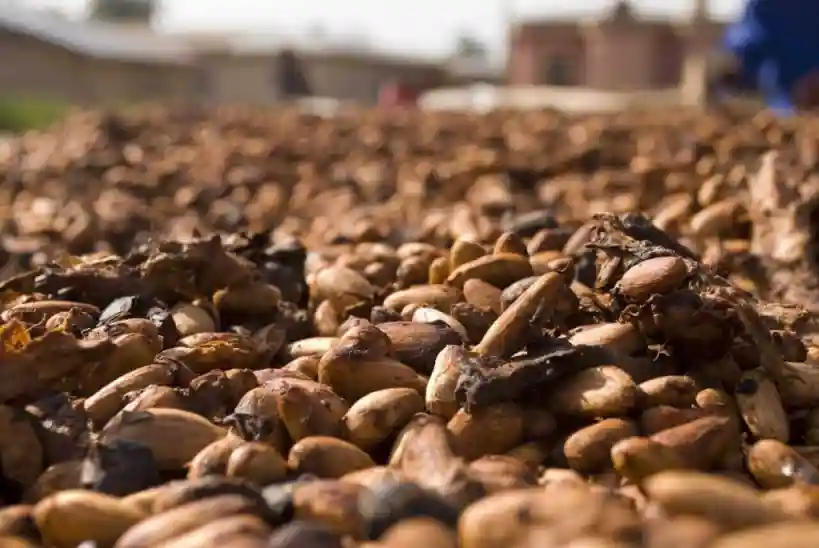
Cocoa prices retreated for a third consecutive trading session on Tuesday, with September contracts on the Intercontinental Exce falling 36 points in New York and 21 points in London as traders digested news of stronger than expected supplies from the Ivory Coast. Markets are now turning their attention to quarterly grinding data from major consuming regions, seeking confirmation that global demand is finally recovering from its recent slump.
Inventory levels tell a striking story of abundance. ICE cocoa stockpiles have climbed to 3.2 million bags, a two year high that reflects the surge in West African production. Cumulative shipping data from the Ivory Coast, the world’s dominant cocoa producer, shows that farmers delivered 2.09 million metric tons to ports during the current marketing year through mid July, representing a substantial 21 percent increase compared to the same period last year. Such robust supply figures have overwhelmed the market’s earlier concerns about weather disruptions and crop disease.

Yet the demand picture remains mixed and uncertain. European second quarter cocoa grindings, a key indicator of chocolate manufacturing activity, are forecast to decline 1.5 percent year over year, while North American processing is expected to fall 1 percent. The bright spot comes from Asia, where second quarter grindings are projected to jump 9 percent, building momentum from a first quarter recovery. Barry Callebaut, the world’s largest cocoa processor, reported last week that fiscal third quarter sales rose 5.7 percent, marking the first increase in more than two years and providing tentative evidence that consumer appetite for chocolate products may be ilizing.
Weather patterns continue to inject volatility into medium term price outlooks. Heavy rains across the Ivory Coast and Ghana have flooded rural roads, cutting farmers off from their plantations and preventing timely transport to export terminals. Excessive moisture raises the specter of brown rot and black pod disease, fungal infections that can devastate cocoa yields and compromise bean quality. Looking further ahead, the US Climate Prediction Center has warned that an exceptionally strong El Niño pattern could bring warmer and drier conditions to West Africa later in the year, potentially stressing cocoa trees during critical development phases.
Early assessments of the 2026/27 crop are already raising red flags among industry analysts. Preliminary surveys indicate below average cherelle formation on cocoa trees throughout the Ivory Coast, suggesting that the main harvest beginning in September could disappoint. Initial production estimates for the coming season stand at 1.8 million metric tons, down 18 percent from the 2.2 million metric tons projected for 2025/26. Agricultural experts caution that these early forecasts remain tentative, with comprehensive field surveys scheduled for July expected to provide a clearer picture of actual crop conditions and yield potential.
Global supply dynamics extend beyond the dominant West African producers. Nigerian cocoa exports surged 28 percent year over year in May to reach 18,034 metric tons, adding to the sense of ample near term availability. Meanwhile, first quarter grinding data from earlier this year painted a grim picture of weak consumption, with North American processing down 3.8 percent and European grindings falling 7.8 percent to their lowest first quarter level in 17 years. Market participants now face the challenge of reconciling abundant current supplies with uncertain future production and the tentative signs of demand ilization, a balancing act that will likely keep cocoa prices volatile as additional economic data and crop reports emerge throughout the summer months.






















Leave a comment