

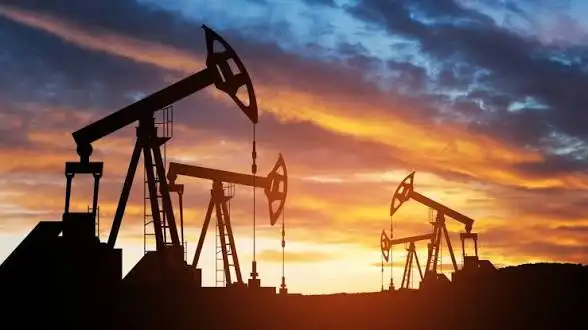
Oil production in the United Arab Emirates has fallen dramatically as maritime disruptions in the Gulf continue to block key export routes. Energy industry officials report that national output has dropped by more than half as tankers remain unable to move through the strategic Strait of Hormuz. The sudden reduction reflects the heavy dependence of Gulf energy producers on maritime transport corridors that connect regional oil fields with global markets.
Energy companies operating across the Emirates have been forced to slow production because storage capacity at ports and onshore facilities is rapidly reaching its limits. Without reliable shipping access, producers cannot easily transport crude oil to international buyers. As a result, companies have reduced output levels to prevent storage systems from becoming overwhelmed. Industry representatives say the cuts are temporary but could continue if shipping disruptions remain unresolved.
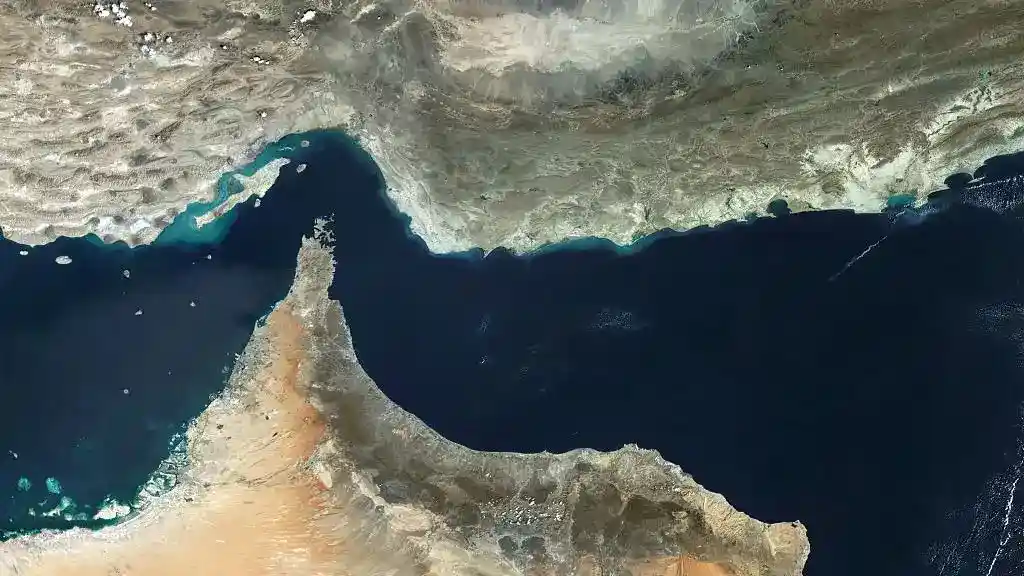
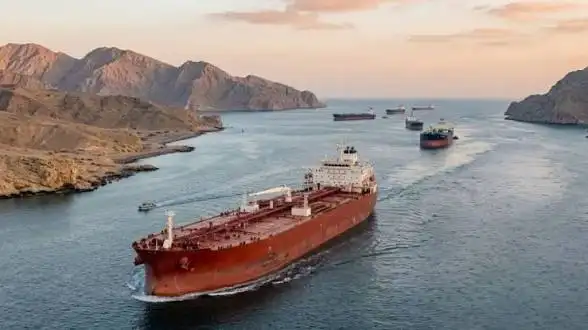
The decline highlights how closely the country’s energy sector is linked to maritime logistics. The UAE is one of the world’s significant crude exporters and normally ships millions of barrels of oil each day to customers in Asia, Europe, and other regions. Tankers carrying these cargoes typically depart from terminals along the Gulf coast before traveling through the narrow waterway that connects the region with international sea lanes.
Officials have been examining alternative export strategies in an attempt to maintain at least partial energy flows. Some shipments have been redirected toward pipelines and ports located outside the most heavily affected shipping zones. However industry experts say these alternatives have limited capacity and cannot fully replace the volume normally transported by sea. This logistical challenge has contributed to the steep drop in national production levels.
Economists warn that prolonged reductions in Gulf oil output could intensify pressure on global energy markets that are already experiencing tight supply conditions. Governments and energy traders are monitoring developments closely as they evaluate the potential impact on fuel prices and economic activity. Until maritime routes reopen and large scale tanker movement resumes, analysts say the energy sector in the UAE may continue operating below its normal production capacity.

















Leave a comment