

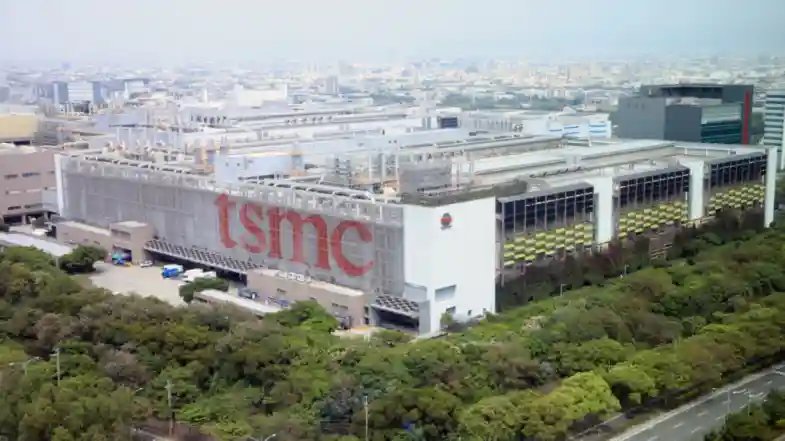
Taiwan Semiconductor Manufacturing Company is pouring an additional $100 billion into its Arizona operations, marking one of the largest foreign investments in American manufacturing history and signaling a dramatic shift in the global semiconductor landscape. The Taiwanese chipmaking giant’s commitment represents a major escalation of its presence on American soil as it races to satisfy booming demand from North American customers while fending off intensifying competition from Intel Corporation and newer entrants like Terafab.
The investment comes at a pivotal moment for the semiconductor industry, which has become central to national security concerns and economic competitiveness debates in Washington. TSMC’s expanded Arizona footprint will significantly boost domestic chip production capacity at a time when the United States government is working aggressively to reduce dependence on Asian supply chains. Industry analysts say the move reflects not only strong customer demand but also the cing geopolitical realities that are reshaping where and how advanced semiconductors are manufactured.

TSMC has long dominated the cutting edge of chip manufacturing, producing processors for tech giants including Apple, Nvidia, and AMD. Its decision to dramatically expand American operations suggests the company sees sustained, long term growth in the North American market that justifies the massive capital commitment. The Arizona facilities will enable TSMC to serve customers more quickly while also addressing concerns about supply chain resilience that have intensified since pandemic era chip shortages disrupted industries from automotive to consumer electronics.
Competition in the foundry business has grown fiercer as Intel attempts to rebuild its manufacturing prowess and position itself as a contract chipmaker for other companies. Meanwhile, emerging players like Terafab are seeking to carve out their own niches in the market. TSMC’s substantial investment signals its determination to maintain technological leadership and prevent rivals from gaining ground in the lucrative North American market, where customers often pay premium prices for guaranteed capacity and proximity to design teams.
The economic impact of such a large investment will ripple far beyond TSMC’s factory walls. Thousands of high sed jobs will be created both directly at the facilities and indirectly through suppliers, contractors, and service providers. Arizona has positioned itself as an emerging semiconductor hub, and TSMC’s commitment will likely attract additional investment from companies across the chip supply chain. Local universities and technical colleges are already expanding programs to train the specialized workforce needed to staff these advanced manufacturing operations.
Looking ahead, TSMC’s Arizona expansion will serve as a critical test case for whether advanced semiconductor manufacturing can successfully take root in the United States after decades of migration to Asia. Success will depend not only on capital investment but also on developing a sed workforce, elishing reliable supply chains for materials and equipment, and maintaining the operational excellence that has made TSMC the world’s most advanced chipmaker. If the company can replicate its Taiwanese success in the Arizona desert, it may pave the way for a genuine renaissance in American semiconductor manufacturing that reshapes the industry for decades to come.




















Leave a comment