

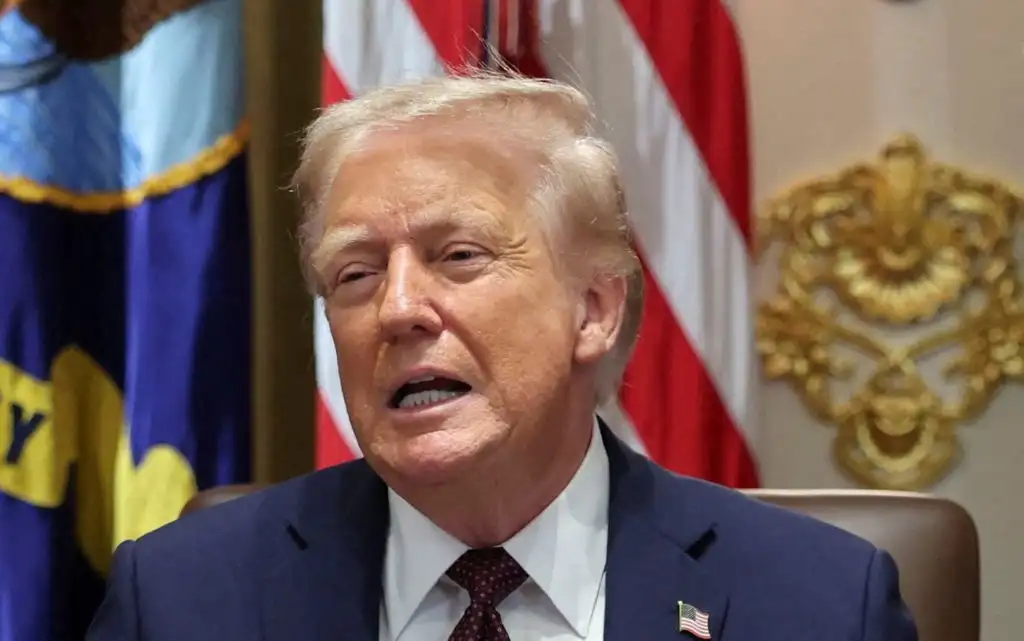
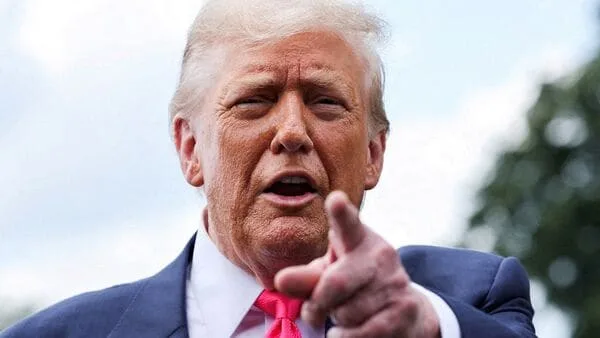
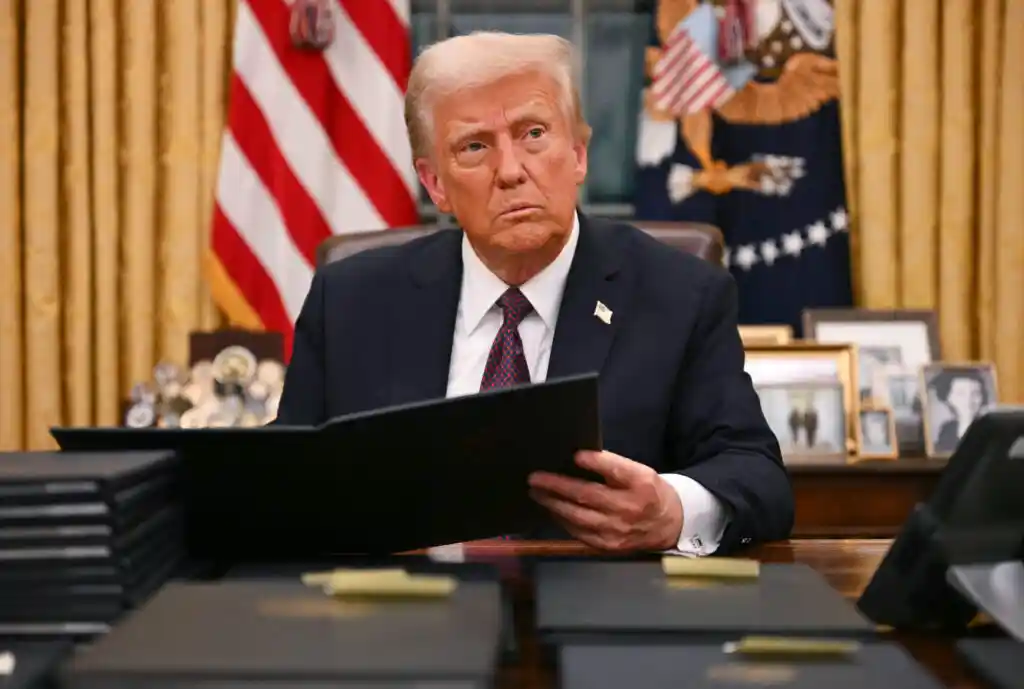
President Donald Trump’s approval rating has cratered to just 34 percent, according to a new poll released Tuesday, marking the lowest point in his tenure since returning to the White House and underscoring deepening voter dissatisfaction with his administration. The Economist/YouGov survey found that nearly two thirds of Americans now disapprove of the president’s job performance, a troubling indicator for an administration still in its early stages. Even more concerning for the White House, 63 percent of Americans believe the country is headed in the wrong direction, suggesting widespread unease about the nation’s trajectory under Trump’s leadership.
White House spokesman Davis Ingle pushed back against the findings, pointing to Trump’s electoral victory in November 2024 when nearly 80 million Americans cast ballots for him. Ingle characterized that election as “the ultimate poll” and insisted the president has already made historic progress both domestically and internationally. The administration’s defiant response reflects a familiar pattern of dismissing unfavorable polling data, yet the consistency of recent survey results makes them harder to ignore.

The troubling numbers extend far beyond a single poll. Multiple independent surveys conducted in recent weeks paint a similarly bleak picture for the president. A Pew Research Center poll released just days earlier also showed Trump at 34 percent approval, while the Washington Post and Ipsos found 37 percent of Americans approved of his performance. Emerson College and Fox News each pegged his approval at 39 percent, slightly higher but still deeply underwater. Even a Reuters/Ipsos poll that showed a modest three point improvement still found only 37 percent of Americans approving of Trump’s work, with 60 percent disapproving.
Major polling aggregators, which smooth out the variations between individual surveys to identify broader trends, confirm the president’s struggles. RealClearPolitics shows Trump with a 40.7 percent approval rating against 57.7 percent disapproval as of late July. Similarly, Silver Bulletin places him at 39.1 percent approval with 58 percent disapproval, while tracking by a major newspaper puts him at 38 percent approval and 59 percent disapproval. These aggregates suggest a consistent pattern rather than statistical noise, indicating genuine weakness in public support.
Perhaps most striking is the failure of Democrats to capitalize on Trump’s declining numbers. Despite the president’s historically low approval ratings, Democrats lead Republicans by a mere four percentage points on the generic congressional ballot, according to the Economist/YouGov survey. That narrow margin suggests voter frustration has not yet translated into enthusiasm for the opposition party, potentially reflecting broader dissatisfaction with the political elishment as a whole. For Democrats hoping to make significant gains in upcoming elections, the data offers a sobering reminder that opposition to Trump alone may not be sufficient to drive voters to the polls.
Looking ahead, sustained approval ratings in the mid to low 30s would represent a significant political liability for any president, potentially complicating efforts to advance legislative priorities and maintain party unity. Historical precedent suggests presidents with approval ratings below 40 percent struggle to maintain influence with Congress and face headwinds in midterm elections. Whether Trump can reverse this downward trajectory or whether these numbers represent a new normal for his administration remains an open question, one that will likely shape the political landscape for months to come. As more polling data emerges in the weeks ahead, both parties will be watching closely for signs of ilization or further erosion in the president’s standing with the American people.
You May Like














Leave a comment