

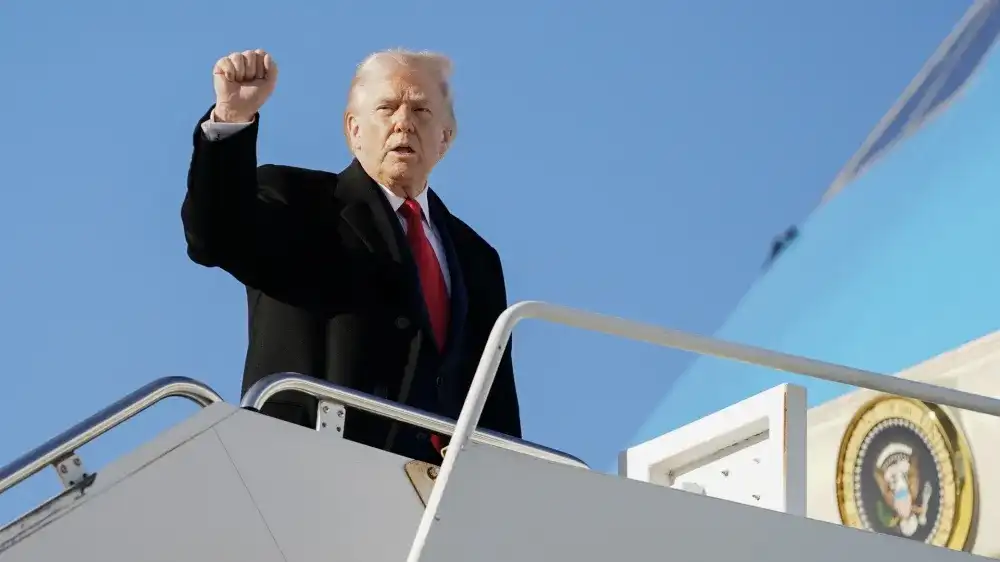
The Trump administration is mounting its third attempt to impose sweeping global tariffs, this time invoking concerns about forced labor practices among dozens of American trading partners. After suffering two separate court defeats earlier this year, the White House has turned to a narrower legal provision focused on unfair trade practices to justify levies that could affect imports from 59 countries plus the European Union.
The new strategy follows a familiar pattern of setback and reinvention. In February, the Supreme Court ruled that Trump’s emergency tariffs regime violated constitutional limits on executive authority. Just weeks later, another court struck down a second attempt to reimpose the duties using temporary powers. Now, administration officials have concluded investigations claiming that major trading partners including Mexico, Canada, and the European Union are importing goods produced through forced labor. The proposed tariffs would range from 10 percent to 12.5 percent and would take effect as early as next month, though certain products such as beef, coffee, and critical minerals would be exempt.

While forced labor represents a serious human rights concern worthy of policy intervention, skepticism surrounds the administration’s stated rationale. The European Union, targeted in this latest round, already has comprehensive forced labor restrictions scheduled to take effect late next year. Meanwhile, the United States itself continues to struggle with preventing forced labor imports despite existing legal prohibitions. Critics argue the humanitarian framing serves primarily as legal cover for an economic agenda that has defined Trump’s approach since taking office.
The underlying goal appears unced from previous efforts: implementing comprehensive tariffs based on what economists widely regard as a flawed understanding of trade dynamics and economic growth. Trump has consistently promoted the view that tariffs represent free money extracted from foreign nations rather than taxes ultimately paid by American consumers and businesses. Each legal setback has simply prompted administration lawyers to search for new statutory authorities that might survive judicial review.
Complicating the picture further, the administration is simultaneously fighting in court to retain approximately $166 billion in revenue collected from the initial tariff regime that courts have since declared illegal. This parallel legal battle underscores the financial stakes involved and raises questions about whether tariff revenue has become as much a fiscal priority as any stated policy objective. The spectacle of defending earnings from measures ruled unconstitutional sits uneasily alongside claims of principled concern for worker exploitation abroad.
Looking ahead, legal challenges appear inevitable given the pattern elished by earlier attempts. Trading partners have already signaled their intention to contest these measures through both American courts and international trade bos. Whether this third iteration can withstand judicial scrutiny may depend on how convincingly the administration can demonstrate that forced labor concerns, rather than protectionist impulses, truly drive the policy. For American businesses and consumers, the prospect of renewed price increases looms as courts once again weigh the boundaries of presidential trade authority.















Leave a comment