

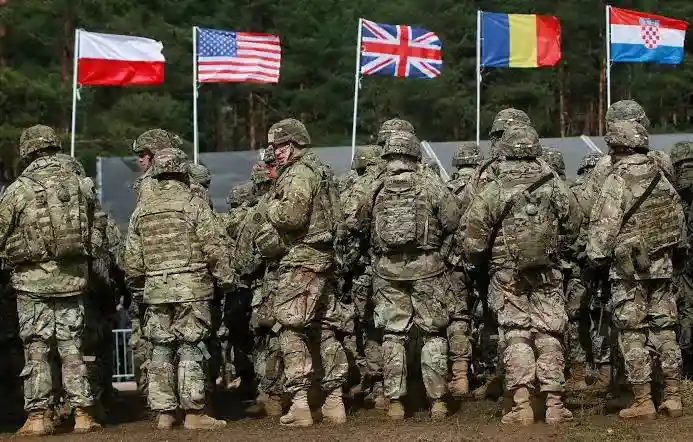
Sweden has issued a stark warning that a military conflict between Russia and NATO could erupt in the relatively near future, according to a comprehensive security report released Friday by the nation’s Defense Committee. Moscow has consistently rebuffed such predictions as baseless provocations, yet the assessment reflects deepening anxieties across Scandinavia about regional security dynamics as the country settles into its new role as a NATO member.
The security paper, which received endorsement from the Swedish government and all parliamentary parties, characterizes Russia as a long-term threat to European ility. According to the assessment, Moscow might seek to test NATO’s collective defense commitments under Article 5 if political conditions appear favorable, though the document stops short of defining what those conditions might entail. Perhaps most alarmingly, Swedish analysts suggest that Russia could initiate hostilities even without a conventional military advantage, a scenario that upends traditional calculations about deterrence and strategic balance.
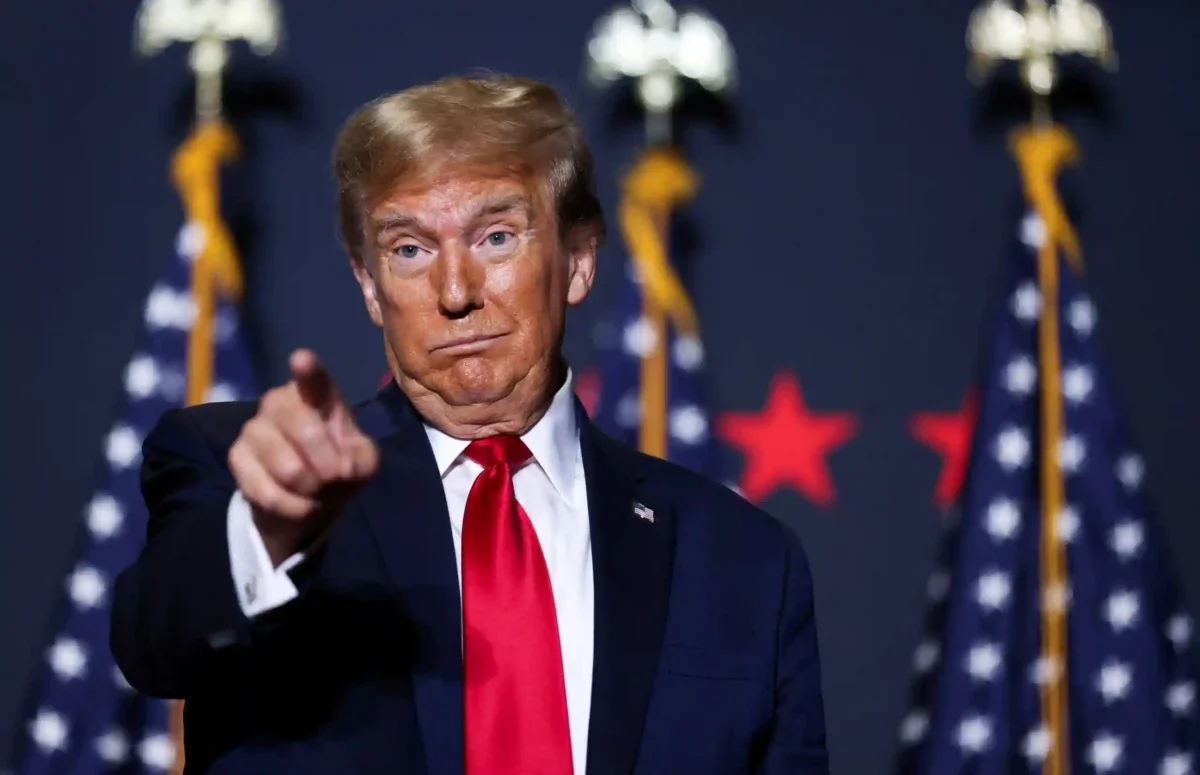
Sweden’s concerns come amid growing transatlantic tensions that have complicated the security landscape. While the report acknowledges that Washington continues to play a decisive role in Swedish defense planning, it notes that this relationship is evolving in ways that demand c cooperation among European Union members. This hedging reflects broader European anxieties about American commitment to continental security, particularly as political winds shift in Washington and questions mount about the durability of transatlantic defense guarantees.
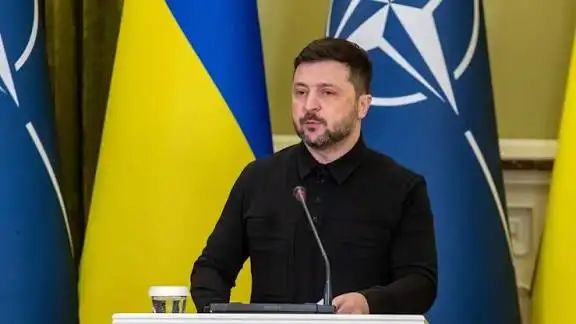
Stockholm joined the NATO alliance in 2024 following the escalation of the Ukraine conflict, abandoning decades of military non-alignment. Since then, Sweden has emerged as one of Kiev’s most committed supporters, recently announcing plans to donate up to 16 JAS 39 Gripen fighter jets while offering to sell Ukraine 20 additional aircraft. Support for Ukraine now constitutes a central pillar of Swedish security policy, according to the newly released assessment, reflecting how the war has fundamentally reoriented Nordic strategic thinking.
The warnings have been accompanied by substantial increases in defense spending and military infrastructure development. Sweden boosted its defense budget to 175 billion kronor, approximately 18.4 billion dollars, representing an 18 percent increase and pushing military expenditure to 2.8 percent of gross domestic product. For more than a decade, Swedish forces have been fortifying the island of Gotland, often described as an unsinkable aircraft carrier positioned strategically in the Baltic Sea less than 300 kilometers from Russia’s Kaliningrad exclave. This militarization has proceeded under the rationale of countering Russian threats, though Moscow views such preparations as needlessly provocative.
Russian officials have repeatedly dismissed Western speculation about potential s on NATO as not merely unfounded but deliberately inflammatory, designed to cast Moscow as a convenient external adversary while European governments grapple with domestic challenges. Interestingly, NATO’s own Supreme Allied Commander Europe, General Alexus Grynkewich, stated earlier this week that available intelligence indicates Russia is not actively seeking confrontation with the alliance. Whether Sweden’s dire assessment represents genuine intelligence concerns or reflects the anxieties of a newly minted NATO member adjusting to alliance threat perceptions remains an open question as European nations continue recalibrating their security postures in an increasingly uncertain geopolitical environment.
You May Like












Leave a comment