

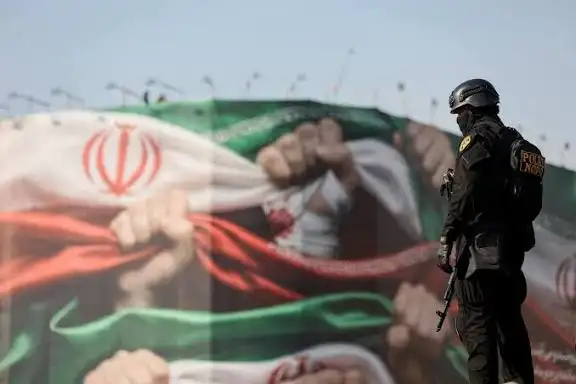
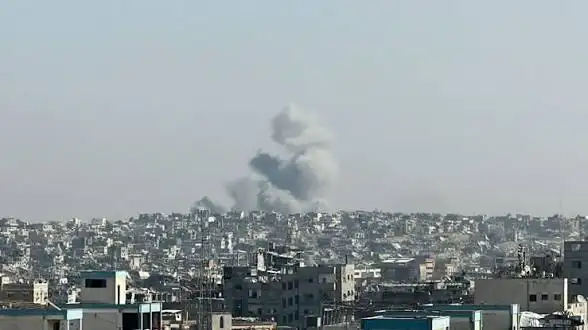
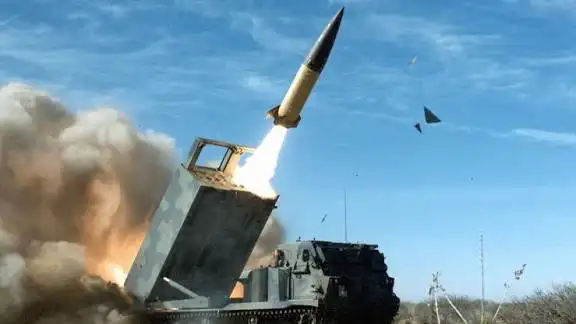
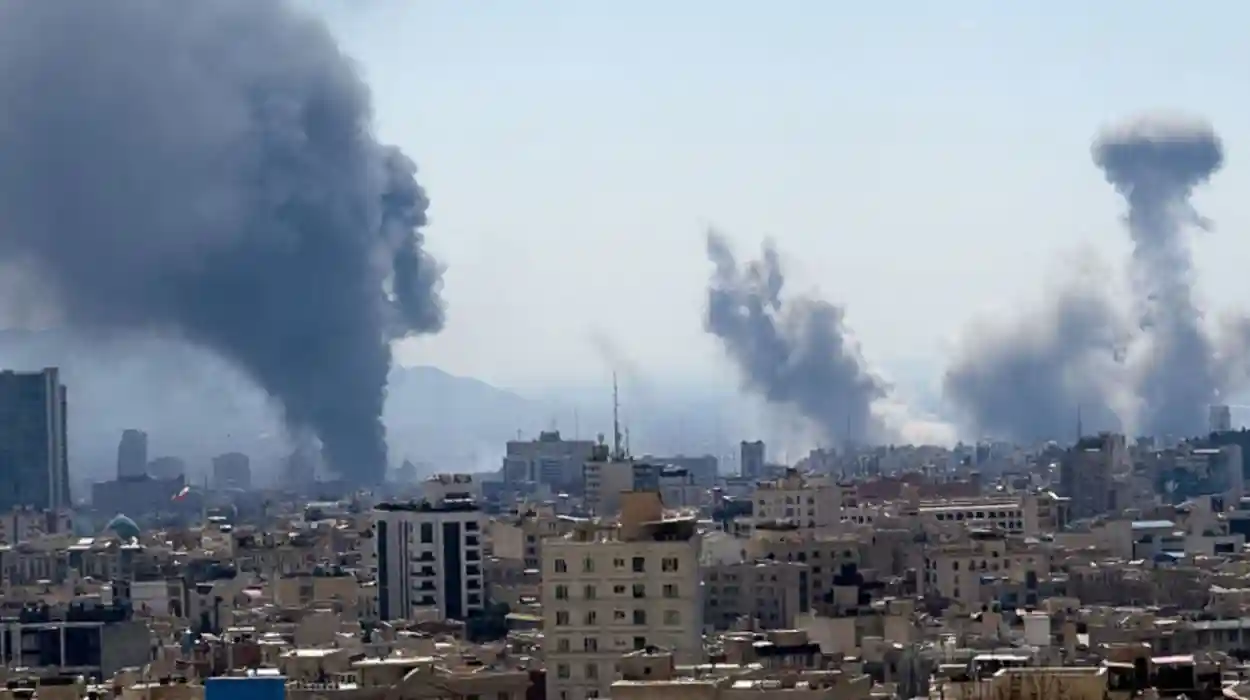
Military operations targeting Iranian military and energy infrastructure have continued as the confrontation involving Israel and the United States enters a sustained phase. Multiple sites across Iran have faced strikes in recent days, according to regional officials and security analysts monitoring the situation. The campaign has focused on installations believed to support military logistics and fuel supply networks, reflecting an effort to weaken Iran’s operational capacity during the expanding conflict.
Iranian authorities have acknowledged damage to several strategic locations while emphasizing that essential services and national defense systems remain functional. Government officials have described the operations as part of a broader effort by Israel and the United States to limit Iran’s military reach in the region. Despite the pressure, Iranian leaders have reiterated that the country will continue to respond through what they describe as defensive measures intended to protect national sovereignty and maintain regional influence.
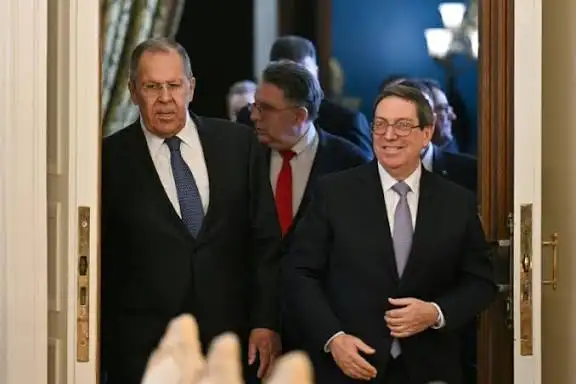
The continuing operations have increased uncertainty across the Middle East, where governments are closely monitoring developments that could influence regional ility. Security experts say strikes directed at energy infrastructure carry wider implications because such facilities are essential to both domestic supply and global markets. Iran remains one of the region’s major energy producers, and disruption to production or storage systems can influence international oil prices and shipping activity across the Gulf.
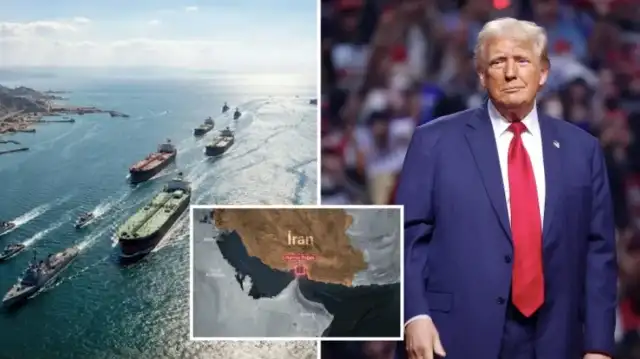
Economic observers note that the ongoing confrontation has already begun affecting global markets as traders react to the possibility of a prolonged crisis. Energy prices have experienced sharp swings in response to each new development while shipping routes near the Persian Gulf are facing increased scrutiny from insurers and transport companies. Several governments are reviewing contingency plans to ensure fuel supply ility in case the conflict continues to affect energy production and export routes.
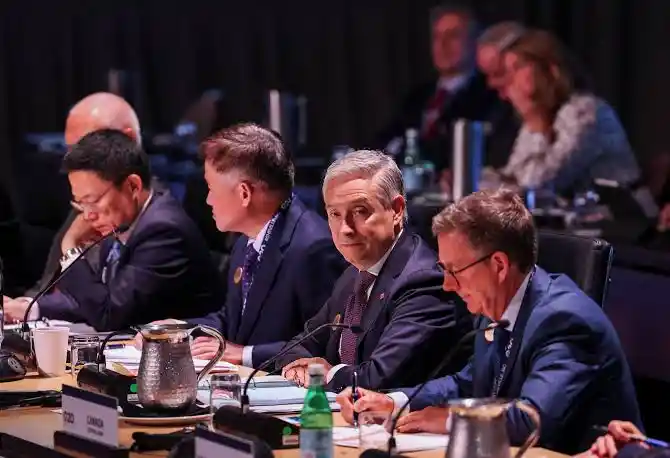
Diplomatic efforts are continuing behind the scenes as international leaders attempt to prevent the conflict from expanding further across the region. Calls for restraint have been issued by several governments and international organizations, emphasizing the need to avoid additional damage to civilian infrastructure and global economic systems. With military operations still underway and political tensions running high, the situation remains one of the most closely watched security challenges in the world today.














Leave a comment