

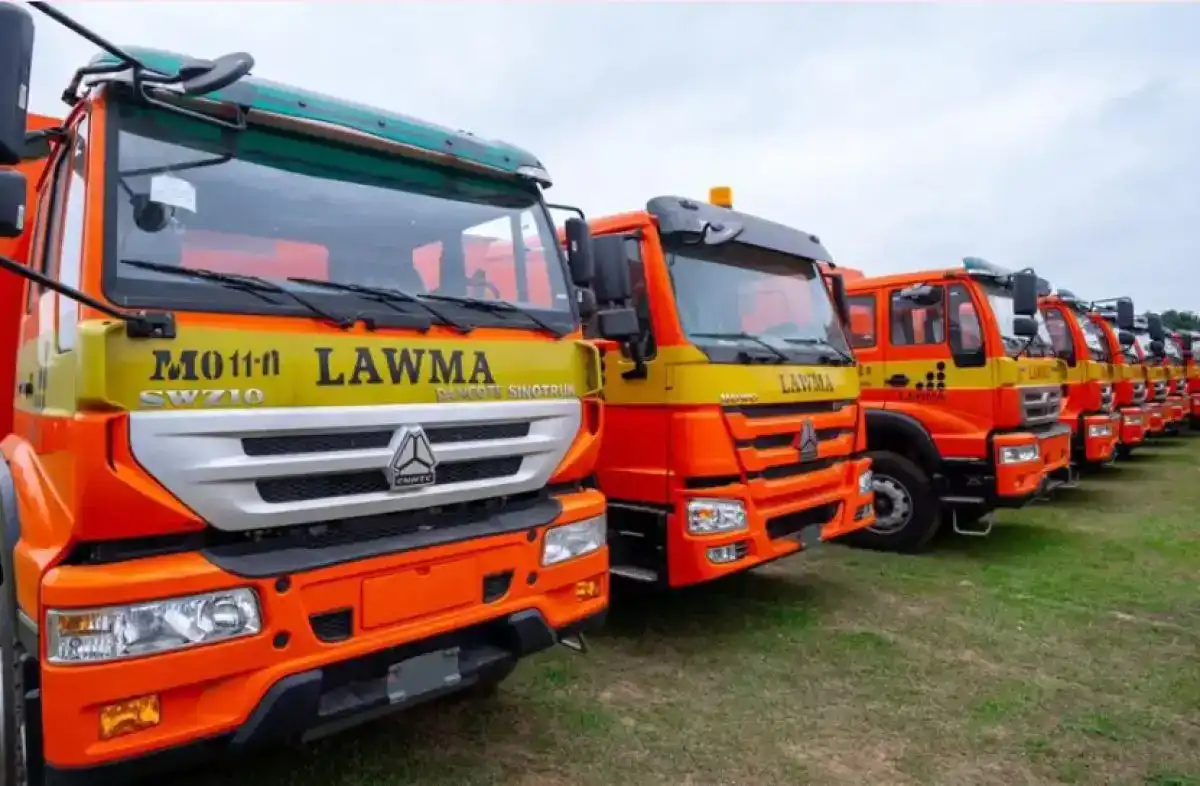
Across Southeast Asia, governments are accelerating ambitious environmental and social programs that could reshape the region’s future, with Indonesia leading a waste revolution while Vietnam harnesses agricultural innovation to fuel its growing ethanol industry. Coordinating Minister for Food Affairs Zulkifli Hasan announced Sunday that Indonesia aims to resolve between 70 and 80 percent of its waste crisis by 2029, deploying expanded processing facilities and mandating household waste sorting across the archipelago nation of nearly 280 million people. The aggressive timeline reflects mounting pressure on developing economies to address pollution while maintaining economic growth.
Indonesia’s renewable energy sector has also exceeded expectations, beating its 2026 targets months ahead of schedule for the first time in recent years. This milestone represents a significant shift for a country long dependent on coal and fossil fuels, suggesting that policy reforms and international investment are finally yielding tangible results. Meanwhile, neighboring Myanmar is positioning itself as a major agricultural exporter, with Chinese importers expressing strong interest in long term maize procurement agreements that could benefit thousands of local farmers who already export over 1.3 million tonnes annually to Thailand, the Philippines and India.
Cultural exports are gaining traction alongside agricultural products, with Myanmar’s beloved mohinga rice noodle dish now reaching European supermarket shelves in instant form. Food manufacturers have developed ready to eat packages that preserve authentic flavors while requiring only minutes of preparation, capitalizing on growing Western demand for convenient Asian cuisine. Vietnam is similarly expanding its food exports to premium markets, with locally produced ready to eat eggs now entering Japan after being developed with support from Japanese food safety experts specifically for discerning Japanese consumers.
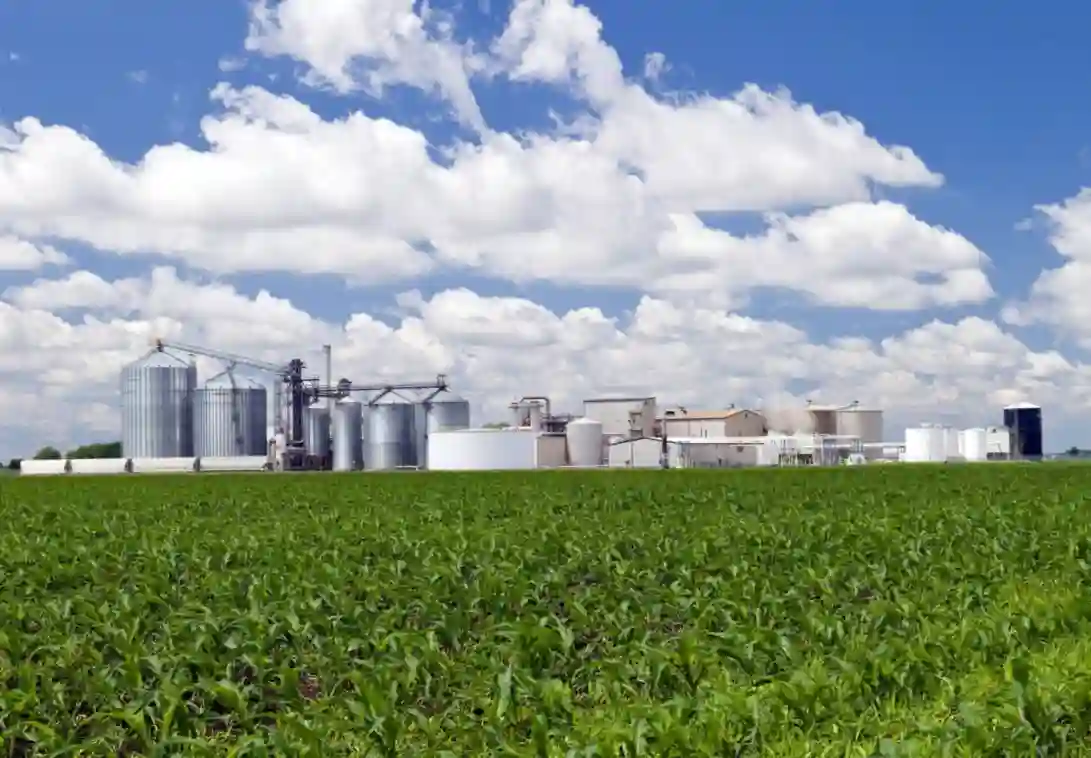
Vietnam’s agricultural sector is experiencing another transformation driven by policy ces, as the nationwide rollout of E10 biofuel in May creates surging demand for cassava and agricultural byproducts used in domestic ethanol production. Farmers who previously struggled with fluctuating cassava prices now have access to a le, government backed market that aligns environmental goals with rural economic development. This shift demonstrates how renewable energy mandates can create ripple effects throughout agricultural supply chains, potentially offering a model for other developing nations seeking to balance climate commitments with farmer livelihoods.
Public health and safety reforms are advancing on multiple fronts across the region. Philippine National Police Chief General Jose Melencio Nartatez Jr. has ordered intensified internal investigations following the arrest of two active duty officers on and domestic violence charges, signaling zero tolerance for misconduct that has long plagued law enforcement credibility. Separately, the Philippine Drug Enforcement Agency reported that more than 10,500 individuals participated in government rehabilitation programs as of May, with nearly 2,800 graduates securing employment or livelihood opportunities, suggesting that treatment focused approaches may be gaining ground over purely punitive strategies.
Singapore continues its odical approach to public health, with football academies reporting enrollment surges of up to double their normal rates in June as World Cup fever grips the city state. Health authorities are preparing to launch a sodium reduction campaign in the final quarter of 2026, building on previous successes in lowering sugar and saturated fat consumption among Singaporeans through targeted public education. As these diverse initiatives unfold across Indonesia, Myanmar, the Philippines, Singapore and Vietnam, they collectively illustrate how Southeast Asian nations are pursuing parallel tracks of environmental sustainability, economic modernization and social reform, with outcomes that could influence regional development patterns for decades to come.
You May Like






















Leave a comment