

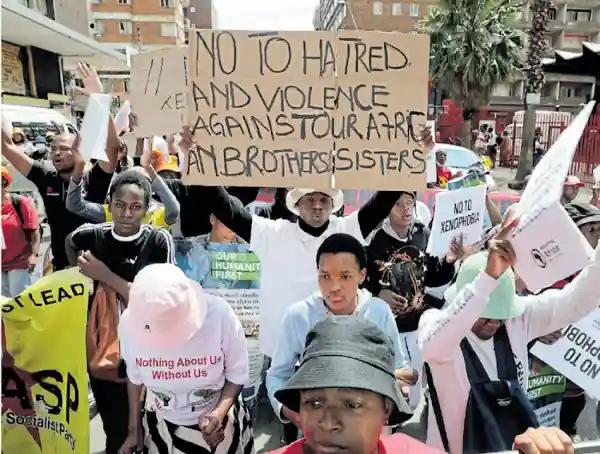
Thousands of African immigrants are fleeing South Africa as anti-immigration anger reaches a boiling point, with activists setting a June 30 deadline for undocumented migrants to leave the country or face a promised “national shutdown.” The exodus comes after months of escalating protests and sporadic s against foreign nationals, creating what neighboring countries have condemned as a climate of xenophobia in Africa’s most industrialized economy. Makeshift shelters near embassies and temporary centers have become crowded with frightened migrants, while some governments have begun repatriating their citizens from what was once seen as a land of opportunity.
Anti-immigration groups have organized large scale demonstrations in major cities since March, thrusting the contentious issue to the forefront of national politics. Protesters have blamed foreign nationals, without substantive evidence, for South Africa’s stubbornly high unemployment rates, failing public services, and rising crime. The rhetoric has grown increasingly heated as the self-imposed deadline approaches, with organizers threatening widespread disruptions if the government does not take stronger action against illegal immigration. Police Minister announcements confirm authorities are on high alert, bracing for potentially volatile protests scheduled for June 30.

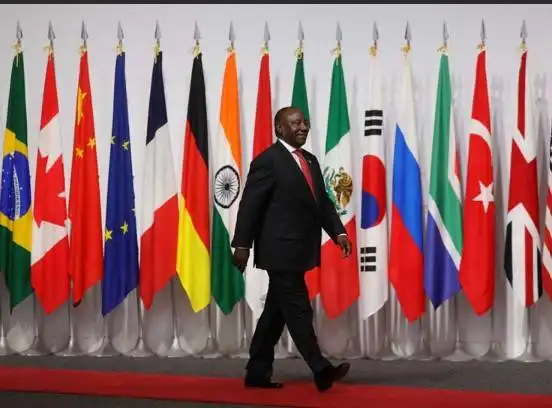
President Cyril Ramaphosa attempted to defuse the crisis earlier this month with a nationally televised address, arguing that illegal immigration is not the root cause of the country’s social and economic challenges. He accused some protest groups of cynically exploiting immigration concerns to advance their own political agendas. Yet Ramaphosa also acknowledged significant failures in border control, a concession that may have emboldened critics rather than calmed them. His balancing act reflects the political tightrope facing South African leadership as populist anti-immigrant sentiment clashes with the country’s stated values of pan-African solidarity.
As one of the continent’s wealthier nations, South Africa has historically drawn migrants from across Africa seeking better economic prospects and ility. Census data from 2022 indicates approximately 2.4 million foreign nationals living among South Africa’s population of 62 million, representing less than four percent of residents. Government critics contend these official figures fail to capture the full scope of undocumented migration, though independent verification of such claims remains elusive. The statistical debate itself has become politicized, with each side wielding numbers to support predetermined conclusions about immigration’s impact.
Countries across the region have watched developments with growing alarm, criticizing South African authorities for failing to protect foreign nationals and allowing xenophobic sentiments to flourish. Several nations have initiated repatriation programs, arranging transport for citizens who no longer feel safe remaining in South Africa. Malawian officials have been particularly vocal, with images of their nationals queuing at temporary deportation centers in Durban highlighting the human cost of the crisis. Regional diplomatic relationships face strain as governments balance economic ties with South Africa against domestic pressure to protect their expatriate communities.
What happens after June 30 remains uncertain, but the standoff has exposed deep fissures in South African society and the broader region. Whether protest groups follow through on shutdown threats, how security forces respond, and whether political leaders can chart a path beyond scapegoating will determine if the crisis escalates or begins to resolve. For the thousands of migrants already displaced, the damage is done. Their decisions to flee speak to a fundamental breakdown in the social contract that once made South Africa a beacon of hope across the continent. How the country navigates this moment will reverberate far beyond its borders, testing both its domestic ility and its standing as a regional leader.

















Leave a comment