

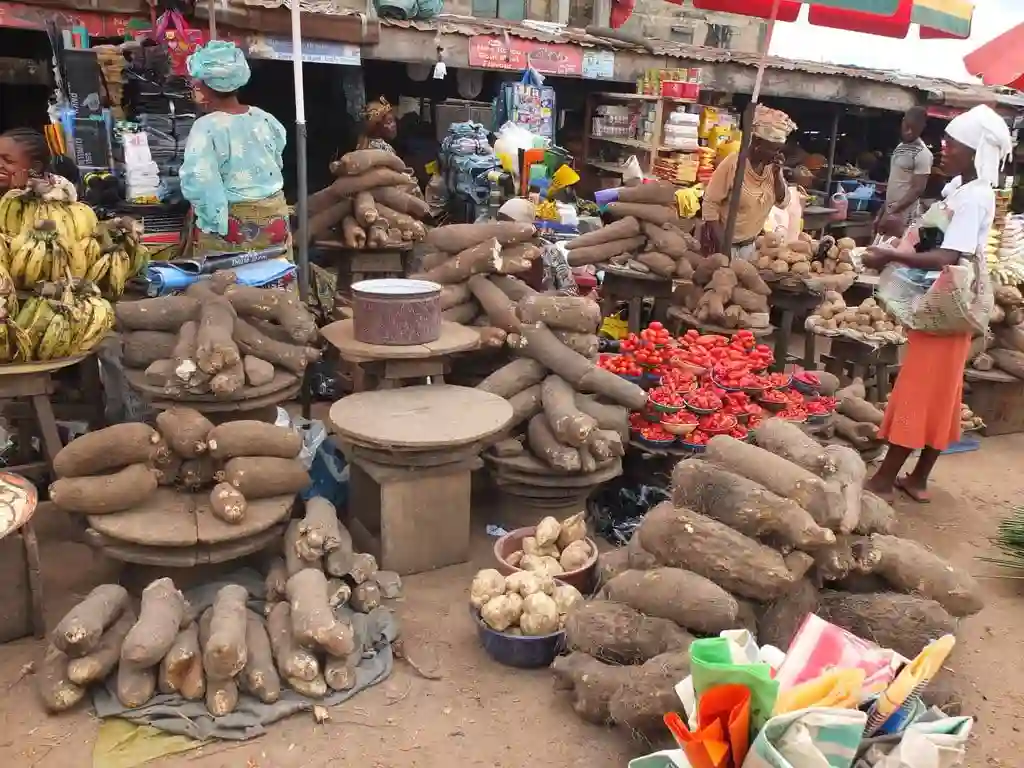
Despite numerous interventions by the Federal Government, food prices in Nigeria continue to soar, painting a grim picture of the country’s battle against food insecurity. Collins Nnabuife highlights that factors like insecurity, naira devaluation, high costs of farm inputs, high interest rates, and climate ce significantly impact agriculture, thereby inflating food prices.
Government Initiatives:
Mechanization Efforts: The National Agriculture Development Fund (NADF) has signed a contract with AGCOMS International Trading Limited for the supply of 2,000 John Deere tractors worth $70 million. This is part of a broader plan to deploy 10,000 tractors over the next five years, with the initial 2,000 expected before the wet season. This initiative aims to reduce the labor-intensive nature of farming in Nigeria, where smallholder farmers are the backbone of agriculture due to low mechanization.
Farmer Identification: To ensure that government interventions reach genuine farmers, a partnership between the Ministry of Agriculture and Food Security and the Nigerian Identity Management Commission (NIMC) has led to the creation of a farmer database. Utilizing the National Identity Number (NIN) and biometric data, this effort will start with registering two million farmers in three months, scaling up to six million. This initiative aims to eliminate the issues of benefits falling into the wrong hands and to provide targeted support.
Challenges Persisting:
Insecurity: Kabir Ibrahim, President of the All Farmers Association of Nigeria (AFAN), emphasizes that insecurity remains a critical barrier. s on farmers by bandits have led to decreased agricultural productivity as many are too frightened to work their lands. He advocates for significant measures to mitigate this threat.
Climate Ce and Post-Harvest Losses: Ibrahim also calls for actions to address the effects of climate ce, including the need for more serious commitments to reducing greenhouse gas emissions, as pledged in international climate forums like COP28 and COP29. Additionally, there’s a push to reduce post-harvest losses through better infrastructure and energy solutions.
Economic Factors: High interest rates on loans for agriculture and agro-processing are prohibitive for farmers, adding to the cost of production and, by extension, consumer prices.
Future Outlook:
The government’s steps towards improving agricultural productivity through mechanization and farmer identification are commendable, but the effectiveness of these measures will depend heavily on addressing the root causes like insecurity. Strengthening the Agro Rangers, enhancing military efforts against terrorism, and revisiting economic policies to make them more farmer-friendly are essential for any real progress in food security. Without these, the escalating food prices might continue to strain the average Nigerian, potentially leading to broader national security issues as food security is a cornerstone of societal ility.






















I believe the government needs to take more decisive action to address the food crisis in Nigeria. People are struggling to afford basic necessities.
I cant believe how the government is handling the food crisis in Nigeria. They need to do better! 🤦♀️🌽#FoodPrices #NigeriaCrisis
Do you think the government is doing enough to address the food crisis in Nigeria, or is more action needed? Lets discuss!
Is the government really doing enough to address the food crisis in Nigeria? It feels like were not seeing much improvement.
This government needs to step up its game! People are struggling with high food prices while they are trying to mitigate the crisis. Its not enough!