

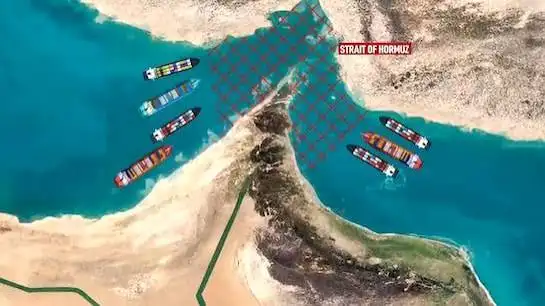
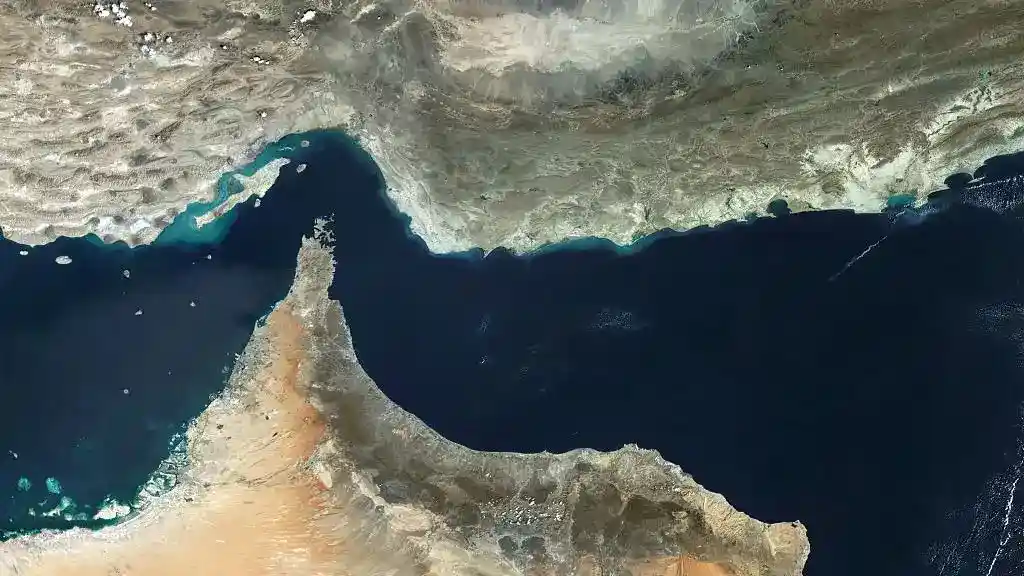
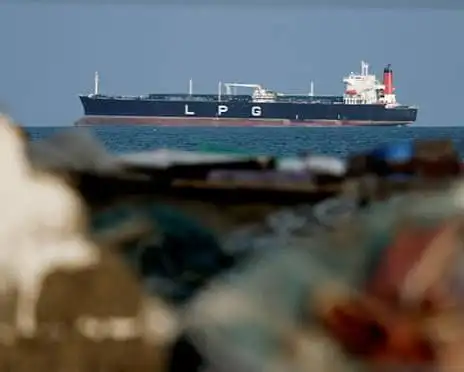
Concerns over maritime security have intensified around the Strait of Hormuz as ongoing regional tensions continue to influence global shipping routes. The narrow waterway, which serves as a critical passage for a significant portion of the world’s oil supply, has become a focal point for heightened caution among shipping companies and naval forces. Reports indicate that vessel operators are reassessing transit plans amid fears of potential disruptions.
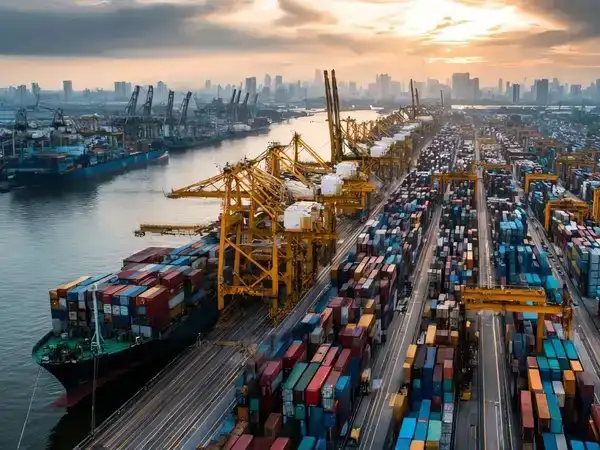
Industry sources suggest that insurance premiums for ships passing through the area have increased, reflecting the elevated level of perceived risk. Some shipping firms have begun rerouting vessels or delaying departures to avoid exposure to uncertain conditions. These adjustments have implications for global trade, as delays in cargo movement can affect supply chains and increase costs for businesses and consumers alike.
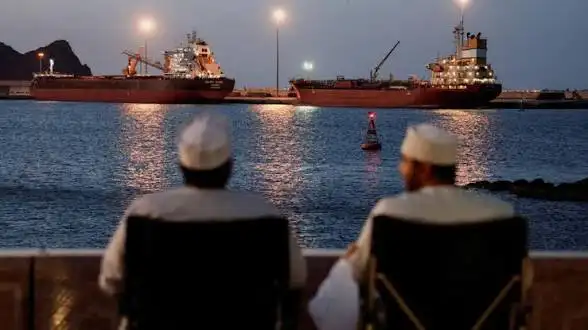
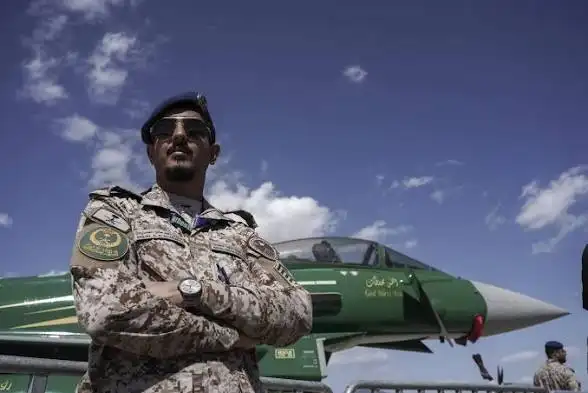
Naval presence in the region has also expanded, with several countries deploying assets to monitor the situation and ensure safe passage for commercial vessels. Military officials have stressed the importance of maintaining freedom of navigation while deterring any actions that could threaten maritime operations. The concentration of forces underscores the strategic importance of the waterway and the need for coordinated efforts to preserve ility.
Energy markets are particularly sensitive to developments in the Strait of Hormuz, given its role in transporting crude oil and liquefied natural gas. Any disruption, even temporary, can influence prices and market sentiment. Analysts note that while shipments have largely continued, the underlying risks have created a volatile environment that could shift rapidly depending on events on the ground.
As tensions persist, stakeholders across the shipping and energy sectors are closely monitoring the situation. Governments and international organizations have called for restraint and dialogue to prevent further escalation. The evolving dynamics in the Strait of Hormuz highlight the interconnected nature of global trade and security, where regional developments can have far reaching economic consequences.













Leave a comment