

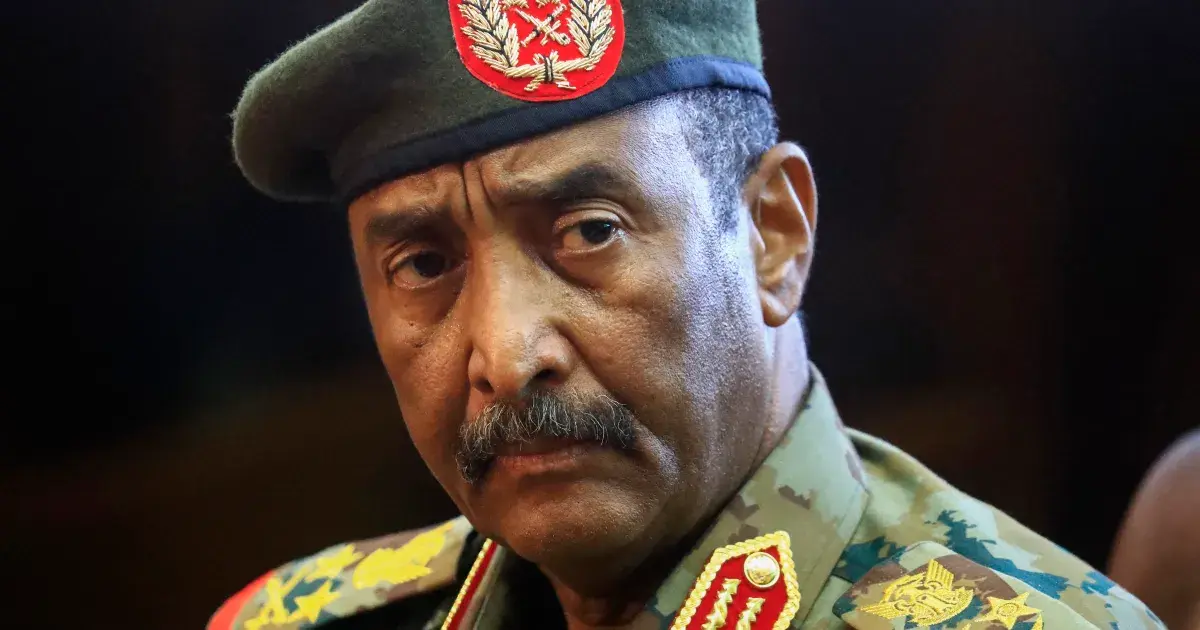
Saudi Arabia’s diplomatic gambit to recast Sudanese army chief Abdel Fattah al Burhan as the acceptable face of civilian governance is encountering a fundamental problem: nobody is buying it. Riyadh’s ambitious effort to construct a civilian coalition around the military strongman represents the latest attempt to engineer a political solution to Sudan’s grinding civil conflict, yet the initiative appears hamstrung from the outset by a glaring credibility deficit that no amount of regional sponsorship can overcome.
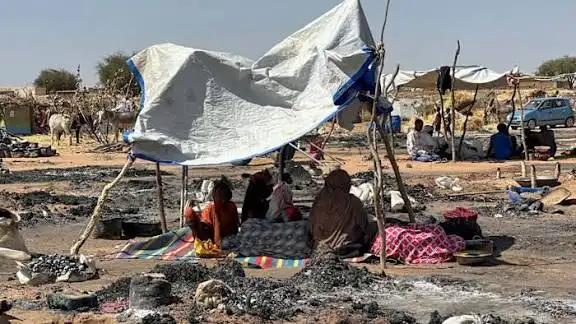
For months, Saudi diplomats have worked behind closed scenes to assemble what they envision as a broad based civilian front that could lend democratic legitimacy to Burhan’s continued leadership. The strategy hinges on persuading Sudanese political factions, civil society groups, and international observers that the general who helped orchestrate the 2021 military coup can somehow transform into a guarantor of democratic transition. Yet this narrative collides with the harsh realities on the ground, where Burhan’s forces remain locked in brutal combat with the paramilitary Rapid Support Forces while civilian populations bear the devastating costs of a war that has displaced millions and pushed the country toward famine.
Regional analysts suggest that Saudi Arabia’s involvement reflects broader geopolitical calculations extending well beyond Sudan’s borders. Riyadh views ility in Sudan as critical to Red Sea security and to countering Iranian and Turkish influence across the Horn of Africa. Furthermore, Saudi officials reportedly believe that some form of managed transition under military oversight represents the most realistic path toward ending a conflict that threatens to deilize neighboring Egypt and the wider region. These strategic imperatives, however compelling from a Saudi perspective, do little to address the trust vacuum that has opened between Sudan’s military leadership and its beleaguered civilian population.
Sudanese civil society organizations have responded to the Saudi initiative with skepticism bordering on outright rejection. Many pro democracy activists remember all too well how previous transitional arrangements collapsed when military leaders proved unwilling to cede genuine authority. Burhan himself led the October 2021 coup that dissolved the power sharing government and arrested civilian prime minister Abdalla Hamdok, actions that sparked widespread protests and international condemnation. Attempting to position that same figure as the anchor of a new civilian dispensation strikes many Sudanese observers as either deeply cynical or profoundly disconnected from the country’s political realities.
International diplomatic efforts to resolve Sudan’s crisis have grown increasingly fragmented as different regional powers pursue competing visions for the country’s future. While Saudi Arabia pushes its Burhan centered approach, other actors including the United Arab Emirates face accusations of supporting the Rapid Support Forces, creating a complex proxy dimension to what began as an internal power struggle. Meanwhile, Western governments and the African Union continue to call for inclusive dialogue and a genuine civilian led transition, objectives that seem increasingly distant as the military conflict intensifies and humanitarian conditions deteriorate. Without meaningful buy in from Sudanese civilians themselves, any externally imposed political framework risks remaining a hollow construct that commands neither legitimacy nor durability.
Looking ahead, the fundamental contradiction at the heart of the Saudi strategy seems likely to doom it to failure or irrelevance. Genuine political transitions require trust, accountability, and a credible commitment to democratic norms, precisely the elements most conuously absent from any arrangement that places Burhan at its center. Unless Saudi Arabia and its partners can address the core question of military accountability and civilian supremacy, their diplomatic efforts will continue to resemble little more than attempts to rebrand authoritarian rule as democratic transition. For Sudan’s long suffering population, the distinction between cosmetic political engineering and authentic democratic reform has never been clearer, nor the stakes higher.













Leave a comment