

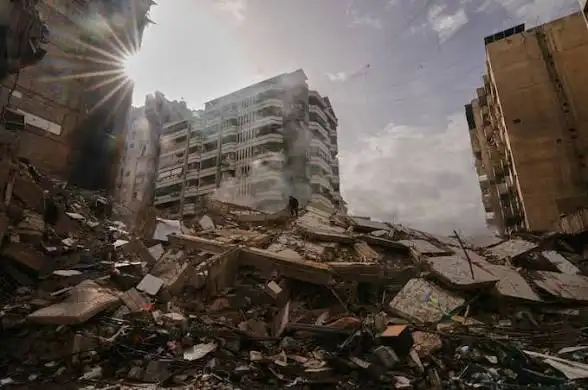
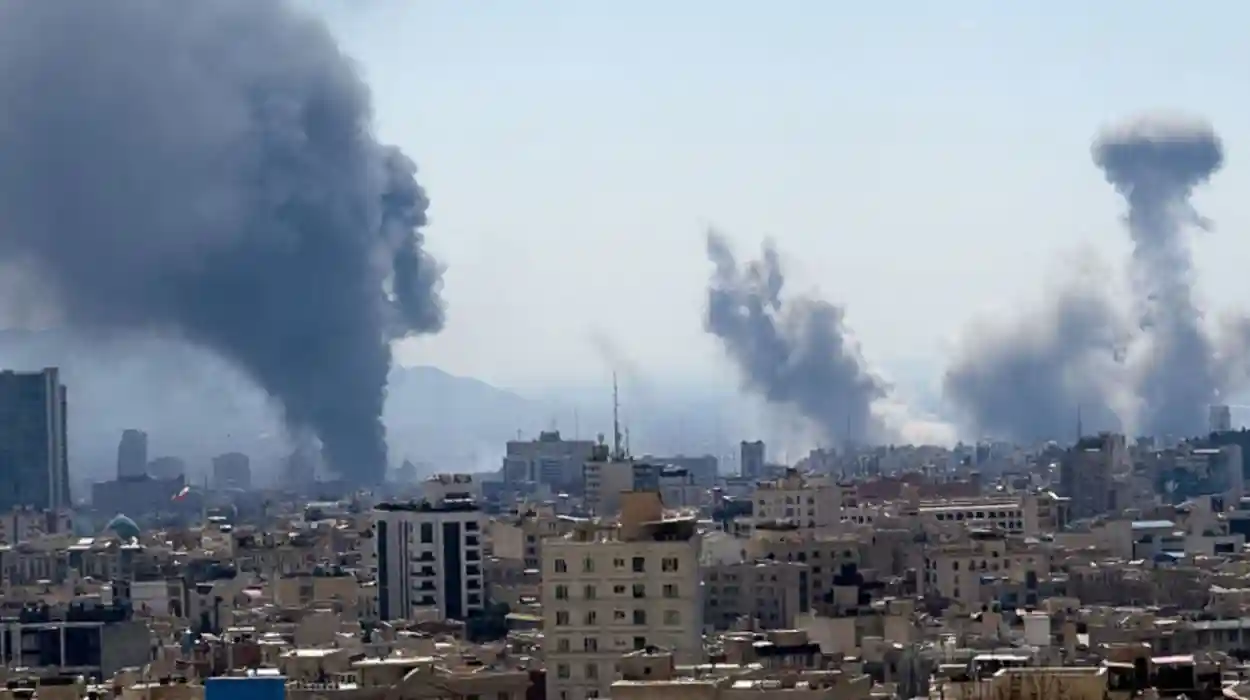
The conflict involving Iran and its regional adversaries has entered a third week with no clear path toward de escalation, raising concern among governments and international organizations about the growing risks to security across the Middle East. The continued confrontation has drawn in multiple actors and has extended across several geographic areas, making the situation one of the most complex security challenges facing the region in recent years. Military activity, diplomatic pressure, and economic disruption are all unfolding at the same time, creating a volatile environment that many analysts warn could intensify if negotiations remain stalled.
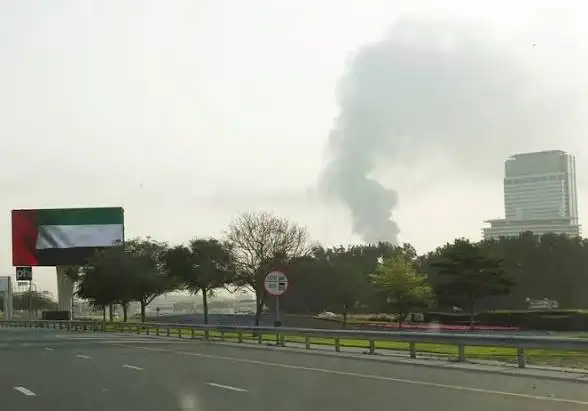
Officials in several countries have acknowledged that the situation remains highly fluid as military operations continue in various locations connected to the confrontation. Governments across the Gulf, the eastern Mediterranean, and beyond have increased security readiness while monitoring developments closely. Many of these states maintain strong economic ties to global energy markets and international trade routes, which means that the consequences of prolonged conflict could extend well beyond the region itself.
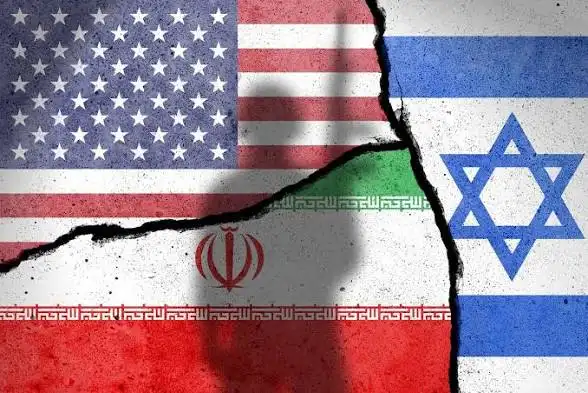
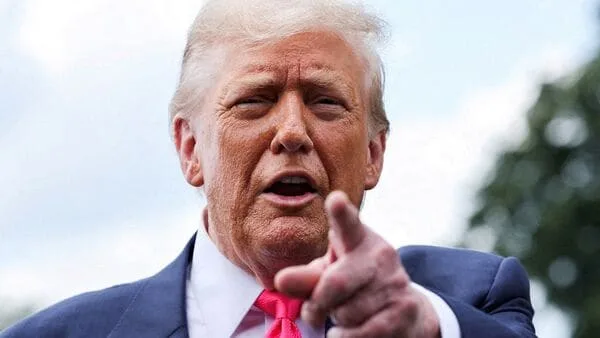
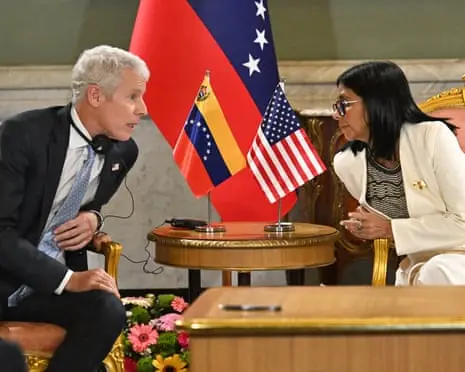
Diplomatic channels remain active despite the absence of formal negotiations between the primary parties involved. Several governments have attempted to encourage dialogue in order to prevent the confrontation from expanding further. However, political leaders in Washington and Tehran have publicly maintained firm positions, indicating that conditions for negotiations have not yet been met. This stalemate has made it difficult for international mediators to identify a framework that could lead to meaningful talks.
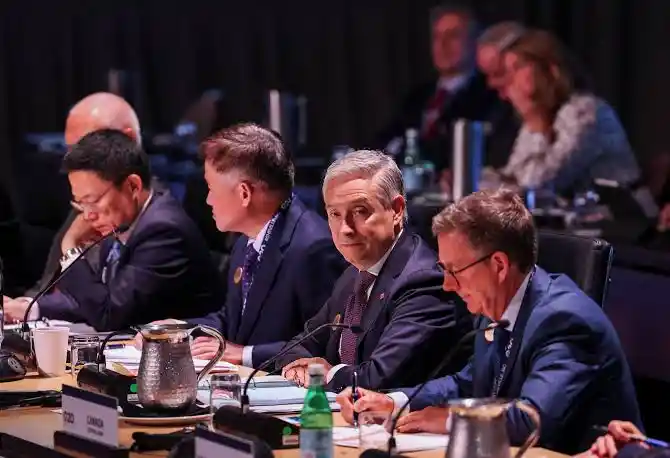
The conflict has also influenced security calculations among countries that are not directly involved in the confrontation. Governments in Europe and Asia have begun reviewing contingency plans related to energy supplies, maritime trade routes, and the safety of citizens living in the region. Military planners in several nations are also evaluating the possibility that prolonged confrontation could reshape security alliances and defense priorities across the broader Middle East.
Analysts say the coming period will be critical in determining whether the conflict moves toward a diplomatic path or continues to expand in scope. Prolonged confrontation could increase pressure on regional economies and raise the risk of incidents that draw additional actors into the crisis. For now, global attention remains focused on efforts to prevent further escalation while leaders continue to weigh their strategic options.












Leave a comment