

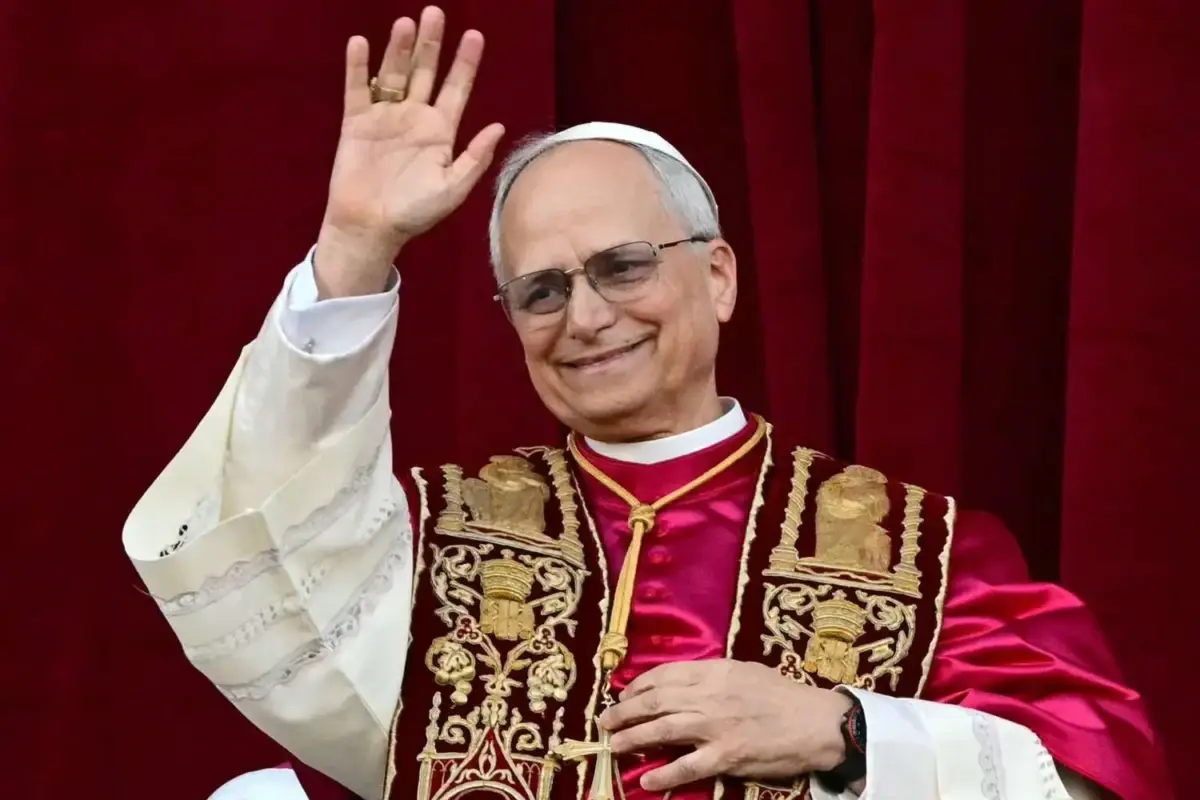
A groundbreaking papal document focused on artificial intelligence has labor lawyers preparing for what could become one of the most uniquely modern religious freedom debates in workplace history. Pope Leo XIV’s recent encyclical addressing the rapid advancement of AI technology may soon translate into a surge of employees requesting religious accommodations to avoid using the technology in their jobs, according to legal experts who specialize in employment law.
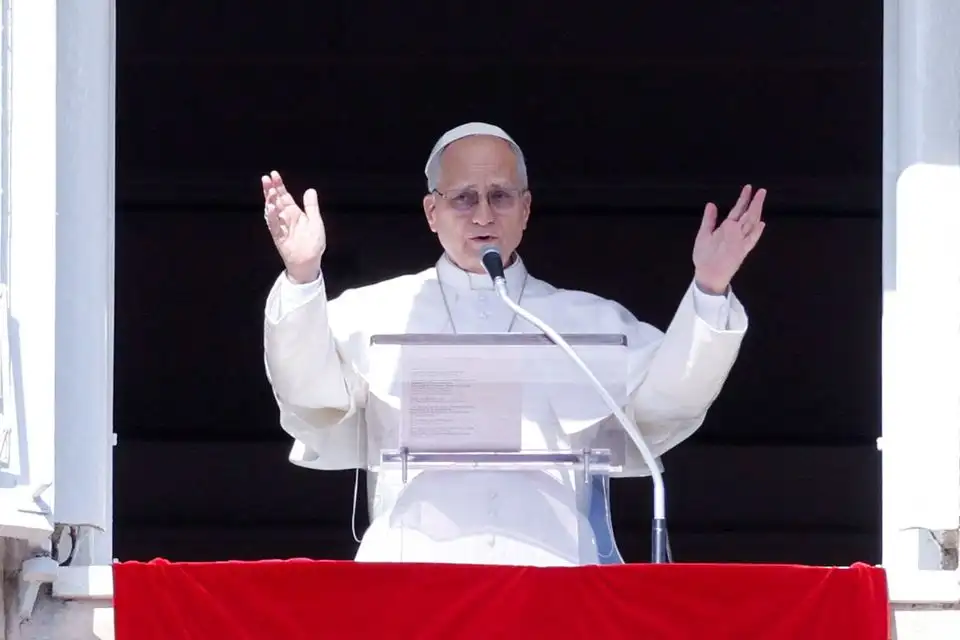
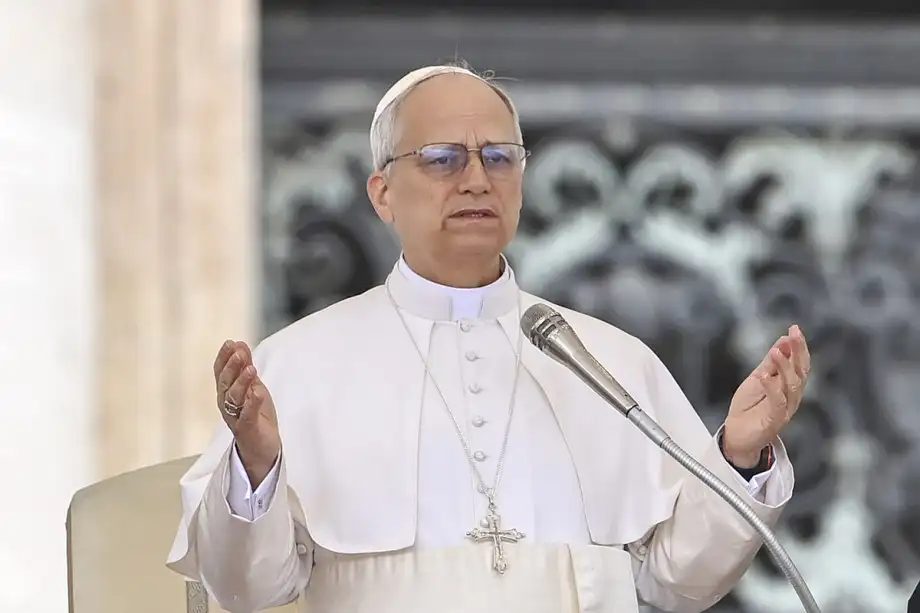
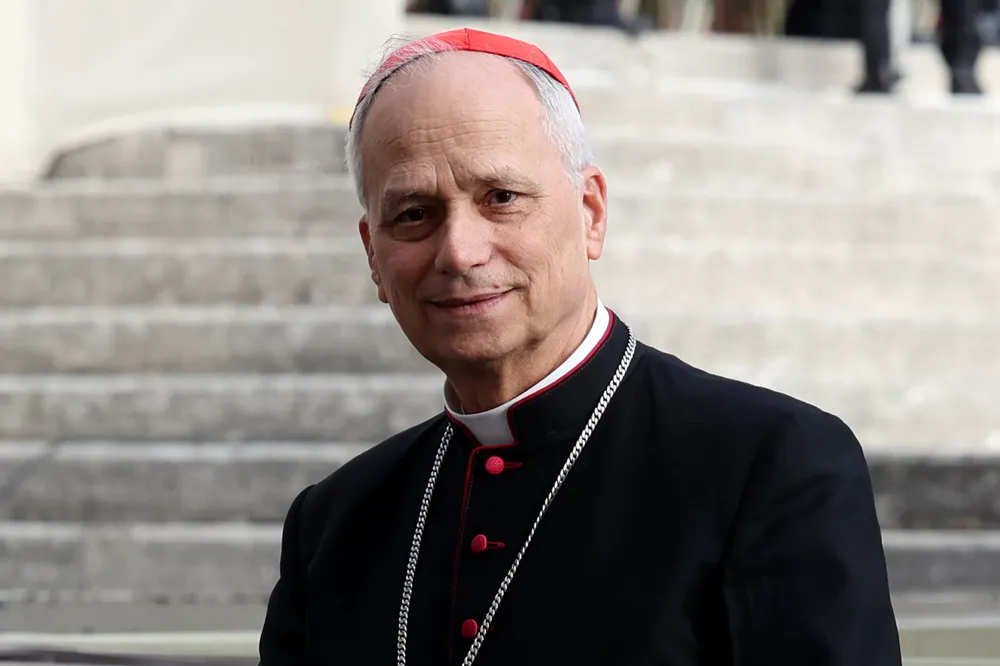
On May 25, the Catholic Church published Pope Leo XIV’s encyclicals, the highest form of teaching issued to the church’s 1.4 billion members worldwide. The nearly 43,000 word document, entitled “Magnifica Humanitas” or “Magnificent Humanity,” centered largely on artificial intelligence and the need for deliberate restraint in its deployment. “What is needed is a more active political involvement that is capable of slowing things down when everything is accelerating,” the pontiff wrote in the text. James Paul, a labor and employment litigator with the law firm Ogletree Deakins, told reporters he is “bracing himself” for an influx of religious accommodation cases stemming directly from these papal comments.
Under Title VII of the Civil Rights Act of 1964, employers are legally obligated to make reasonable accommodations for workers who hold sincere religious beliefs that conflict with job requirements. Common accommodations include schedule modifications for religious observances and permission to wear religious attire in the workplace. Paul, who works in Florida and handles five to ten religious accommodation cases weekly since 2020, has already seen roughly one case related to AI concerns. He anticipates that number will “mushroom” in coming months as awareness of the Pope’s statement spreads through Catholic communities and beyond.
Proving sincerity remains the critical threshold for any successful religious accommodation request, according to Paul. Employees must formally submit their request to employers, clearly explain the conflict between their religious beliefs and workplace requirements, propose practical accommodations, and demonstrate consistent adherence to their stated beliefs in good faith. Common religious objections to AI that Paul has encountered include concerns about environmental impacts from increased computing power and arguments that replacing human workers with artificial intelligence causes a loss of dignity and social harm to communities. While environmental concerns may not appear inherently religious on their surface, employees can frame them within broader theological teachings about stewardship of creation and care for the common good.
Filing such accommodations may prove more challenging than it initially appears, however. Paul notes that demonstrating genuine consistency in one’s beliefs becomes particularly difficult when objecting to AI on environmental grounds. “People are drawing the line at one particular thing when, wait a minute, you’ve been using a car that is probably using some type of AI technology, smartphone, personal computers, any electricity these days potentially is causing an impact on the environment,” Paul explained. Employees must show they truly believe their stated objections and comply with related principles in their daily lives, creating a high bar for proving sincerity. Although employers typically may not demand detailed accounts of how workers use technology outside the workplace, they could potentially request such information when evaluating the authenticity of accommodation claims.
Employers may find relatively easy paths to resolving these requests without legal confrontation. Paul points out that most positions currently do not absolutely require AI use. Instead, artificial intelligence typically serves as an optional efficiency tool rather than a mandatory job component. “One easy exit ramp to this, from an employer’s perspective is, ‘If you don’t feel comfortable or don’t want to use this, you don’t have to use this. We’re offering this to you to make your life easier or more efficient or for you to do your job better, but if you choose not to use it, that’s fine,'” Paul noted. As AI continues permeating workplaces across industries and denominations beyond Catholicism weigh in on the technology’s moral implications, the intersection of religious freedom and technological progress appears poised to generate novel legal questions that courts and employers will need to navigate in the months and years ahead.


















Leave a comment