

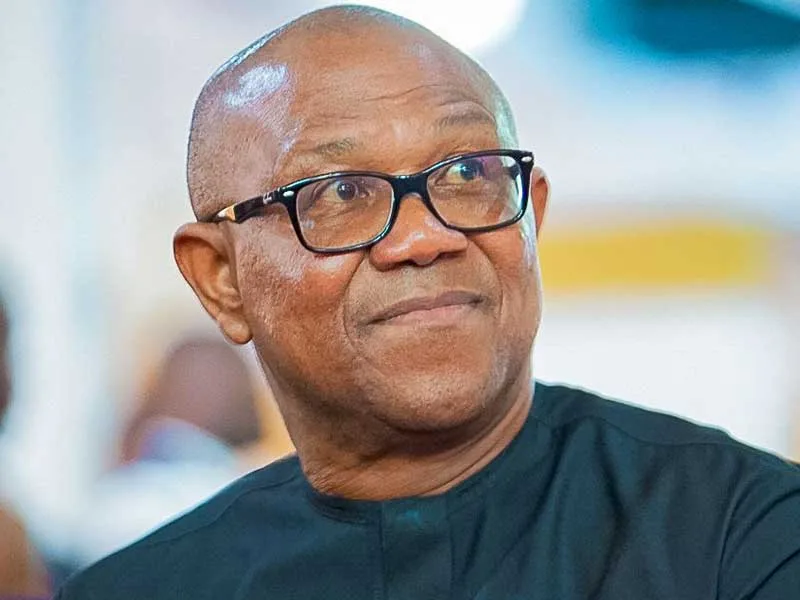
Presidential candidate Peter Obi has doubled down on his controversial pledge to serve just one term if elected in the 2027 general elections, declaring that he will not remain in office for even a single day beyond four years. Speaking during a weekend television interview, the Nigeria Democratic Congress candidate characterized his commitment as a binding gentleman’s agreement that speaks to a broader crisis of trust between Nigerian leaders and the electorate.
Obi dismissed any suggestion of ambiguity around his promise, insisting he would be willing to formalize the commitment in writing if required. “Even if you want me to sign it with you, I sign it with you,” he told viewers of the Sunday politics program. “A day more than four years is not Peter Obi. I want us to start trusting our leaders.” The statement marks one of the most explicit pre-election commitments made by a Nigerian presidential candidate in recent memory, raising questions about whether such pledges can truly bind elected officials once they assume power.
Drawing on his experience as a former state governor, Obi pointed to his track record of delivering on campaign promises as evidence that he can be trusted to honor his word. He recalled his gubernatorial campaign pledges to manage public funds efficiently and improve schools and healthcare facilities, claiming he fulfilled every commitment made to voters. “When I was going to become a governor, I said the things that I would do, and when I came in, I started doing it,” he explained, presenting his previous tenure as a blueprint for how he would govern at the national level.
The single term pledge represents more than personal restraint. It reflects a strategic political calculation in a country where power rotation and regional balance remain contentious issues. Nigeria has long grappled with informal power sharing arrangements designed to maintain ethnic and regional equilibrium, and a one term presidency could be seen as a compromise solution that accelerates the rotation of leadership among the country’s diverse constituencies.
Political analysts have offered mixed reactions to such commitments, with some viewing them as refreshing displays of restraint while others dismiss them as unenforceable campaign rhetoric. Constitutional experts note that once inaugurated, a president cannot be legally bound by pre-election promises regarding term limits beyond what the constitution already prescribes. Nevertheless, the political cost of reneging on such a public commitment could prove significant, particularly for a candidate positioning himself as a departure from traditional political practices.
Whether Obi’s pledge will resonate with voters weary of broken promises remains to be seen as Nigeria approaches another pivotal election cycle. His insistence on a four year limit represents an attempt to distinguish himself in a crowded field of candidates, many of whom face skepticism about their true intentions once in power. As the 2027 election draws c, voters will weigh whether such bold commitments reflect genuine reform minded leadership or simply sophisticated campaign messaging designed to capture an electorate desperate for ce.













Leave a comment