

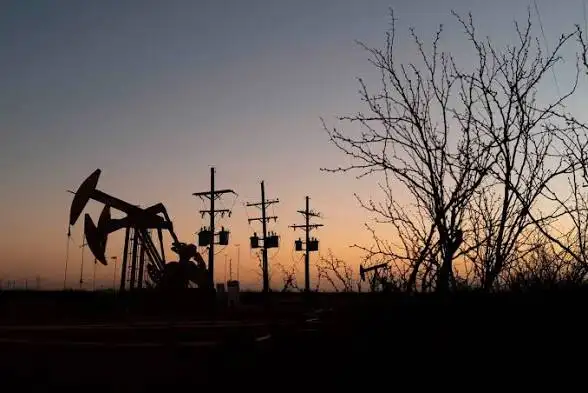
Global oil markets showed signs of relief as Iraq resumed crude exports through the Ceyhan pipeline, a key route connecting its northern fields to international buyers. The reopening of the pipeline has eased supply concerns that had contributed to recent volatility in energy prices. Traders responded swiftly to the development, with benchmark crude prices trending downward as expectations of improved supply conditions took hold.
The Ceyhan route plays a significant role in Iraq’s export capacity, particularly for shipments originating from the Kurdistan region. Its disruption in previous periods had tightened global supply, pushing prices upward and creating uncertainty among import dependent economies. With operations now back online, analysts say the restoration could help ilize flows in an already strained global energy market.

Market participants have been closely monitoring developments in the Middle East, where ongoing conflict has created persistent risks to oil infrastructure and shipping lanes. The resumption of Iraqi exports offers a counterbalance to those risks, providing a measure of reassurance to buyers concerned about potential shortages. However, experts caution that the broader geopolitical environment remains unpredictable, meaning price ility could be short lived.
Economic implications extend beyond the energy sector, as fluctuations in oil prices influence inflation, currency values, and fiscal planning in both producing and consuming nations. Lower prices may provide temporary relief for countries grappling with high energy costs, while oil exporting nations could face revenue adjustments depending on how long the trend continues. Policymakers are therefore watching the situation closely to adapt their strategies accordingly.
Despite the positive market response, uncertainties persist regarding the durability of the pipeline’s operations. Any renewed disruptions or escalation in regional tensions could quickly reverse current gains. For now, the return of exports through Ceyhan represents a notable shift in the energy landscape, underscoring the critical link between geopolitical developments and global economic ility.
You May Like


















Leave a comment