

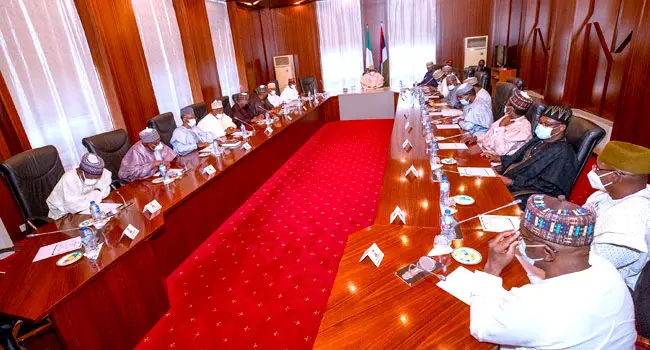
A prominent northern political organization has launched a blistering on presidential candidate Peter Obi’s campaign promise to serve only a single four year term if elected in 2027, calling the pledge both unconstitutional and damaging to Nigerian democracy. The Arewa Consultative Forum, which represents political interests across northern Nigeria, has also delivered a damning verdict on President Bola Tinubu’s three years in office, describing his administration’s performance as deeply inadequate.
Obi, the presidential candidate for the Nigerian Democratic Congress, recently told national television that he would willingly hand over power to a northern candidate after just four years in office, insisting that this timeframe would be sufficient for any sincere leader to transform the country. The former Anambara State governor went so far as to say he would honor this commitment “even with a gun to my head,” framing his proposal as a good faith gesture toward regional power rotation. His statement has ignited fierce debate about the role of informal power sharing arrangements in Africa’s most populous democracy.
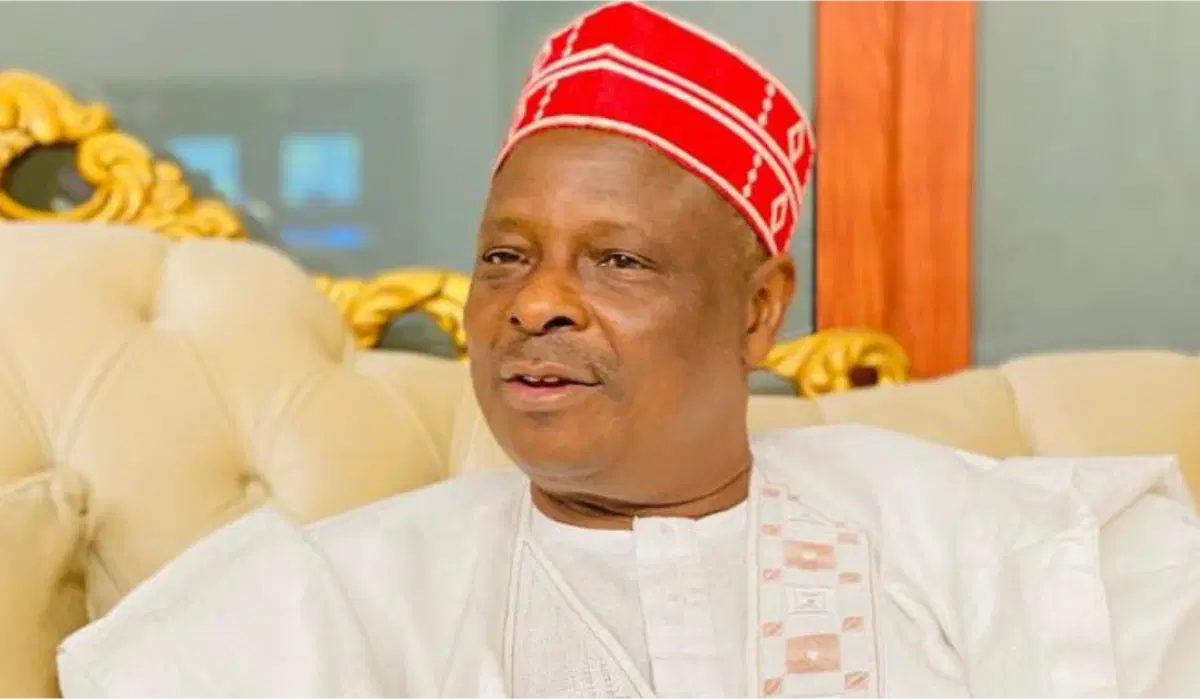
Speaking in an exclusive interview, ACF National Secretary Tukur Baba dismissed the one term promise as fundamentally flawed on multiple levels. “Such a promise is totally unnecessary, even as campaign material,” Baba stated, arguing that power rotation between regions lacks any constitutional basis and should remain a matter for political parties to determine internally. He warned that entrenching geographical power shifts could open the door to even more divisive criteria, potentially leading to demands for religious rotation among Nigeria’s three major faith groups or representation quotas for the country’s more than four hundred ethnic communities.
Baba’s critique extended beyond constitutional concerns to practical governance questions. He posed a hypothetical scenario in which Obi might excel as president, asking whether it would be fair to Nigerian citizens, regardless of region, to lose an effective leader simply because of a campaign promise. “By him promising one term means he is likely not going to do his best,” Baba argued, suggesting that such constraints could undermine a president’s incentive to pursue sustained reform. If Obi managed to successfully combat banditry, Boko Haram, and other security threats within two years, forcing him to step down after four would be a disservice to the electorate, according to the northern leader.
Rather than focusing on regional power arrangements, the ACF secretary insisted that Nigeria needs to prioritize good governance, accountability, fair representation, and citizen welfare. Security, education, healthcare, and anti corruption measures should form the core of any presidential agenda, Baba maintained, adding that tribal and region based politics are pushing the nation backward. “Until we abolish tribalism and region based politics, we may not go far as a country,” he warned, characterizing the current trajectory as “marching backwards in reverse order.”
Despite its strong criticism of Obi’s campaign strategy, the ACF emphasized that it maintains strict neutrality in electoral contests and has no preferred candidate for the 2027 presidential race. Unlike other advocacy organizations, the forum represents over three hundred ethnic groups across northern Nigeria and cannot afford to openly endorse any single candidate or party. Its role, Baba explained, is to analyze policy proposals and campaign promises, then allow voters to make informed decisions. As Nigeria approaches another contentious election cycle, debates over power rotation, regional representation, and the performance of the current administration are likely to intensify, shaping both campaign strategies and voter expectations in the months ahead.

















Leave a comment