

Nigeria’s long troubled state owned refineries with a combined capacity of 445000 barrels per day may be headed for a reset as the Nigerian National Petroleum Company Limited opens talks with a Chinese petrochemical firm and other potential investors to revive the struggling assets. The move signals a shift from decades of government dominated control toward a more commercial and sustainable operating model.
The Group Chief Executive Officer of NNPC Bayo Ojulari disclosed the plan in Abuja during a fireside discussion at the Nigeria International Energy Summit 2026. He explained that the strategy approved by the NNPC board involves selling equity stakes in the refineries to technically competent operators with proven experience in running refinery operations. According to him NNPC is not seeking contractors or operations and maintenance managers but partners with a financial and operational stake in the business.
Ojulari said NNPC is prepared to dilute its equity as much as necessary to ensure the refineries can operate sustainably and finance themselves. He noted that refinery margins are thin globally and that NNPC in its current structure cannot profitably run the plants alone. Discussions with potential investors have advanced including a Chinese company that owns one of the largest petrochemical plants in China as well as other interested firms.
Nigeria’s four state owned refineries located in Port Harcourt Warri and Kaduna have operated far below capacity for years despite multiple rehabilitation efforts costing billions of dollars. Ojulari admitted that internal reviews showed the refineries were running at heavy losses destroying value and wasting public funds which informed the decision to halt operations.
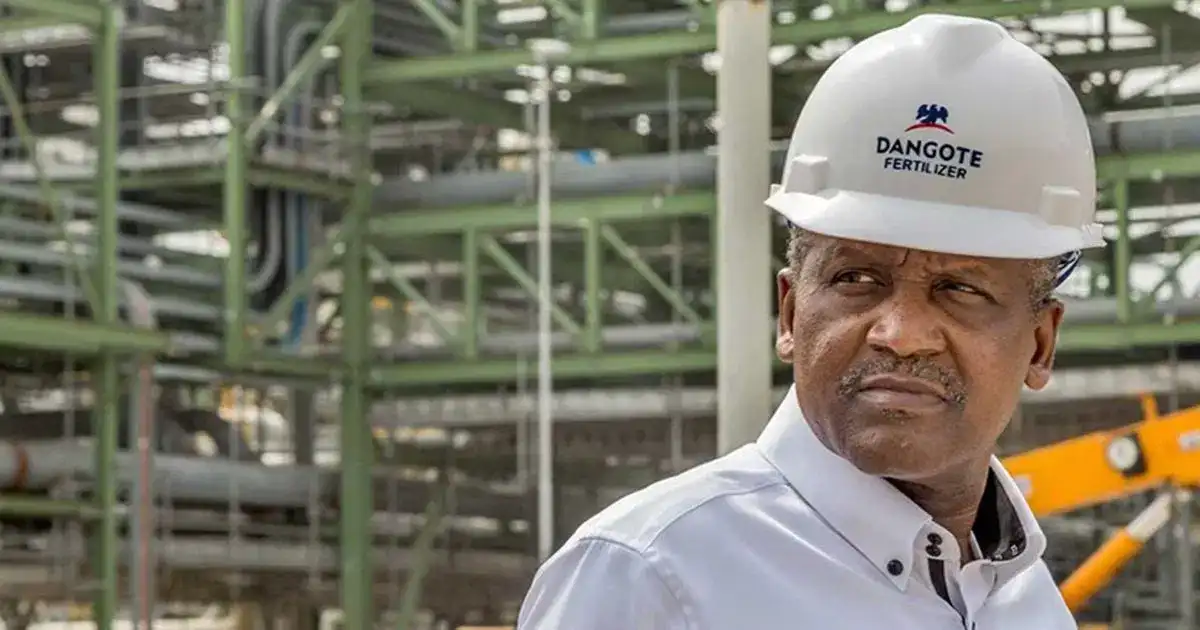
Amid these challenges Ojulari praised the Dangote Petroleum Refinery for helping ilise domestic fuel supply. He said the refinery has provided breathing space for Nigeria and reduced vulnerability in the fuel supply chain even though it does not meet total domestic demand. He also confirmed ongoing collaboration between NNPC and Dangote in line with the Petroleum Industry Act.
Ojulari expressed optimism that Nigeria could reach oil production of 1.8 million barrels per day in 2026 as NNPC embraces commercial discipline and private sector collaboration.
You May Like




















Leave a comment