

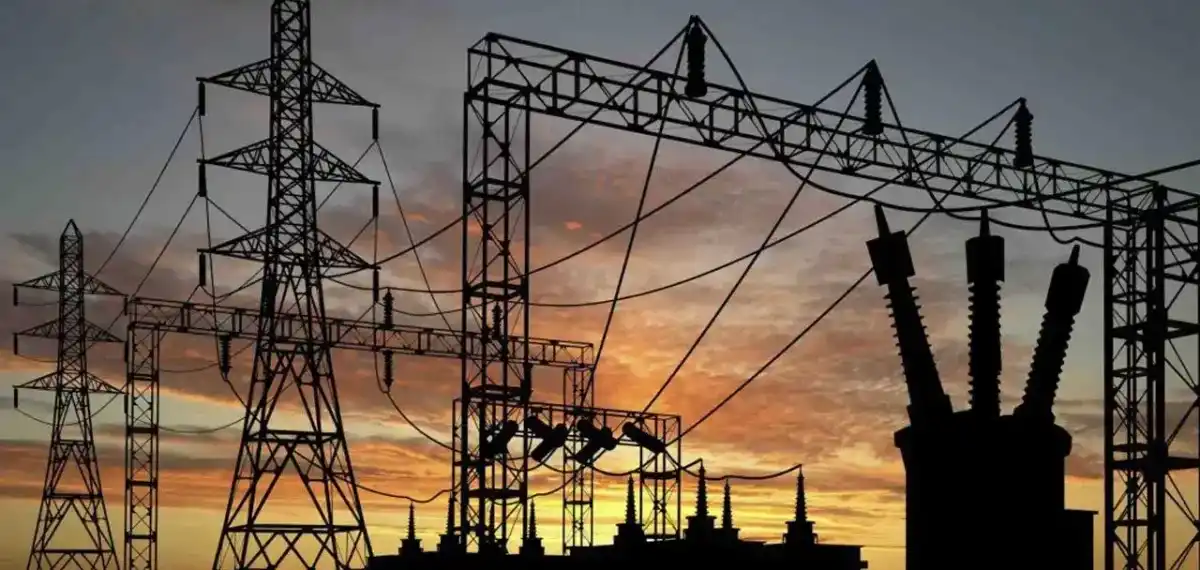
Every time electricity goes out in Nigeria, attention quickly turns to distribution companies such as Eko Electricity Distribution Company or Ikeja Electric, which serve as the most visible point of the electricity supply chain. However, recent sector data suggests that the root of the country’s power challenges may lie far beyond the DisCos.
According to industry figures, Nigeria’s electricity distribution companies recorded strong compliance in remittances to the Nigerian Bulk Electricity Trading Company during 2025, paying over 93 percent of their financial obligations in the third quarter and nearly 96 percent in the second quarter. For the year, they accounted for about 93.8 percent of total remittances collected in the sector.

These numbers indicate that DisCos are largely fulfilling their financial responsibilities within a constrained system. Despite this, the sector continues to suffer from massive liquidity gaps driven by unpaid government subsidy obligations.
Reports show that the Federal Government accrued approximately N1.93 trillion in electricity subsidy obligations in 2025 but paid less than N80 billion, leaving a significant funding shortfall in the sector. This gap has contributed to an estimated total electricity sector debt exceeding N6 trillion, with projections suggesting it could rise further if unresolved.
The situation has raised concerns about the sustainability of Nigeria’s electricity pricing structure. The last widespread cost reflective tariff adjustment has been limited, resulting in tariffs that do not fully reflect rising costs in gas, foreign exce, and infrastructure maintenance.
Experts argue that this mismatch has created a structural imbalance where generation companies struggle to recover costs, DisCos operate under financial strain, and the federal government accumulates mounting subsidy debts.
The passage of the Electricity Act 2023, which empowers states to elish their own electricity markets, is seen as a potential turning point. States such as Abia have already begun implementing independent power solutions, improving supply reliability in select industrial areas through localized partnerships.
Analysts believe that decentralizing electricity regulation could help attract investment, improve accountability, and reduce dependence on a heavily burdened national grid.
However, they also stress the need for clear tariff policies, timely subsidy payments where applicable, and stronger coordination between federal and state governments to ilize the sector.
Ultimately, the ongoing crisis highlights that Nigeria’s electricity challenges are not solely operational but structural, requiring policy consistency, fiscal discipline, and broader reforms to achieve lasting ility in power supply.















Leave a comment