

ABUJA — Nigeria took a major step toward achieving a $1 trillion economy by 2030 at the second National Economic Council (NEC) Conference, where federal and state leaders adopted a coordinated roadmap focused on grassroots development, fiscal reforms, domestic production, and human capital investment.
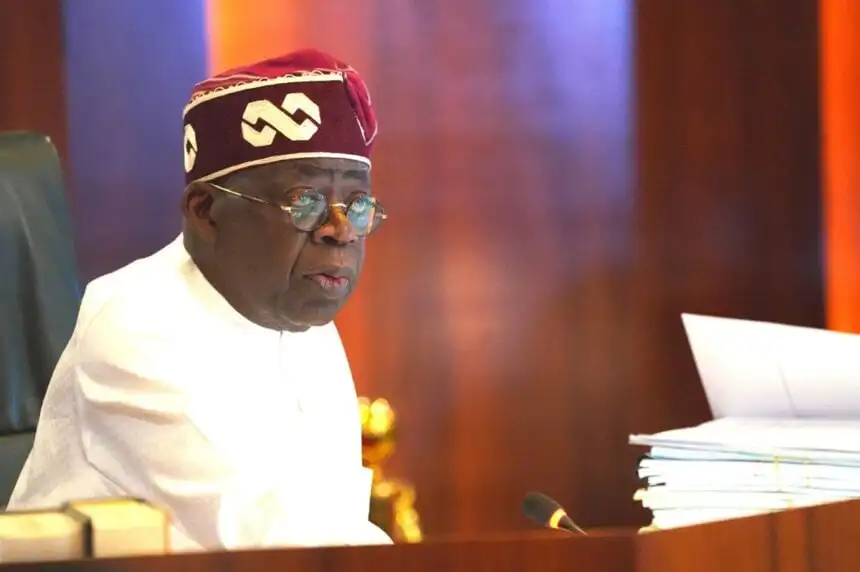
Held from February 9 to 10 at the Presidential Villa, Abuja, the conference gathered over 350 delegates, including President Bola Ahmed Tinubu, Vice President Kashim Shettima, state governors, ministers, lawmakers, private sector leaders, and development partners.

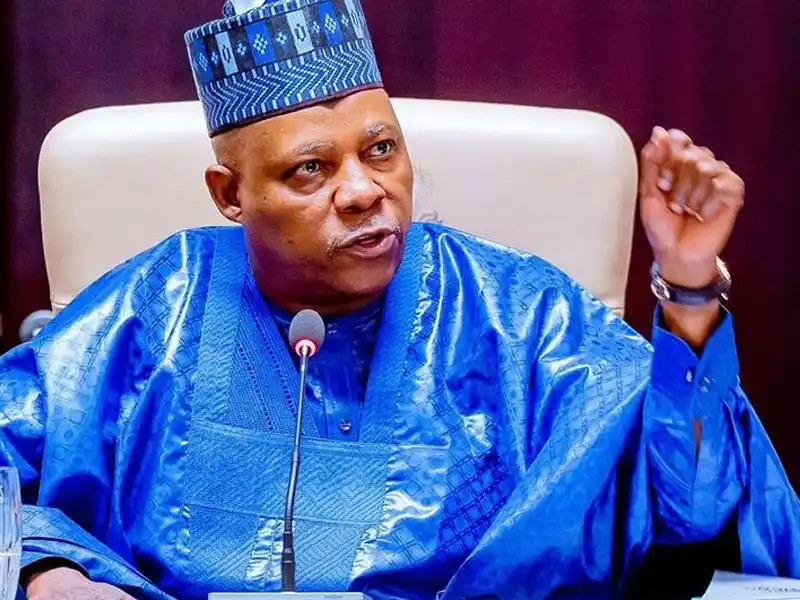
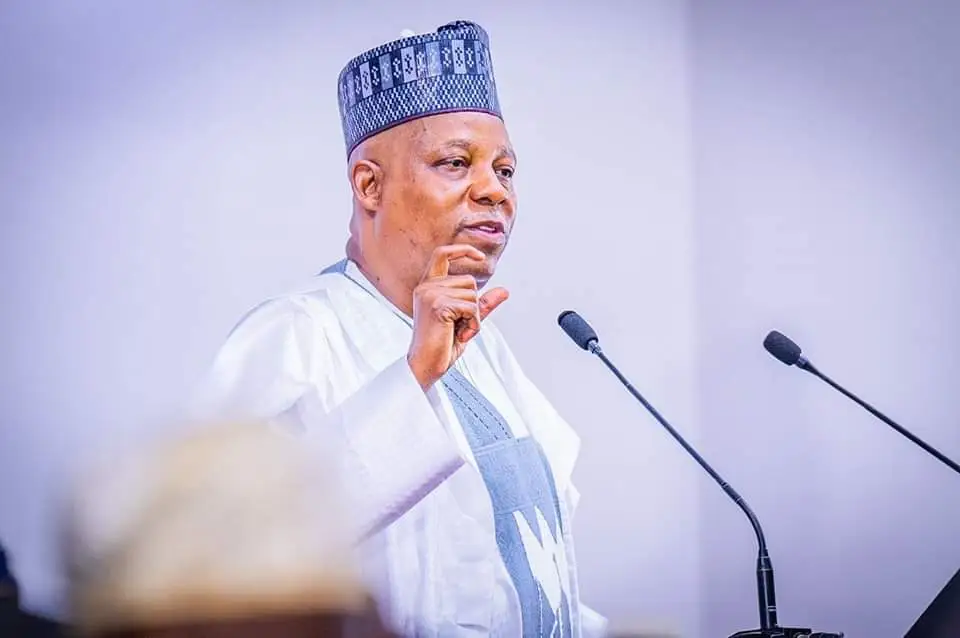
Opening the conference, Tinubu stressed the need to move decisively from economic recovery to transformation, noting that growth cannot be sustained without improved security and agricultural productivity. Vice President Shettima described the Renewed Hope National Development Plan (2026–2030), the successor to the 2021–2025 blueprint, as a practical bridge between lessons learnt and ambitious economic targets.
Grassroots development was highlighted as a key growth engine, with Minister of Budget and Economic Planning Abubakar Atiku Bagudu noting that programs across Nigeria’s 8,809 wards will be integrated to fight poverty, stimulate local enterprise, and create jobs.
NEC also called for fiscal reforms, including tax harmonisation across states, improved spending discipline, and constitutional amendments to strengthen fiscal federalism. Human capital development, security, and domestic production were emphasised as critical enablers of sustainable growth, with states urged to increase spending on education, healthcare, and youth employment.
The World Bank reaffirmed its support for Nigeria’s roadmap, focusing on domestic production, results-based financing, and private sector engagement. Finance Minister of State Doris Uzoka-Anite stressed the need for at least 10 percent annual growth over the next decade to meet the $1 trillion target, while Chukwuma Soludo warned that the goal requires deep reforms, productivity-led growth, export expansion, and strong institutions.
The NEC conference has shifted Nigeria’s $1 trillion vision from a political slogan to a concrete policy agenda, with implementation set to be tested as state governments align budgets, enact tax reforms, and mobilise local economic activities.
You May Like

















Leave a comment