

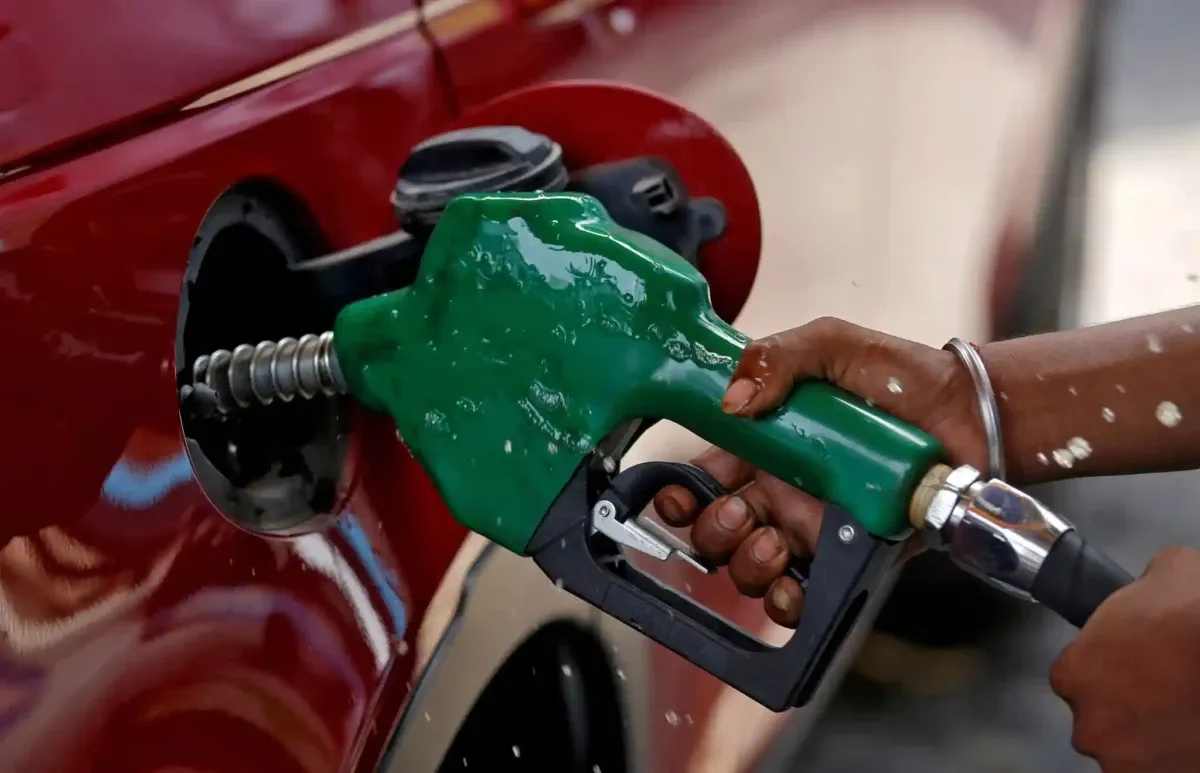
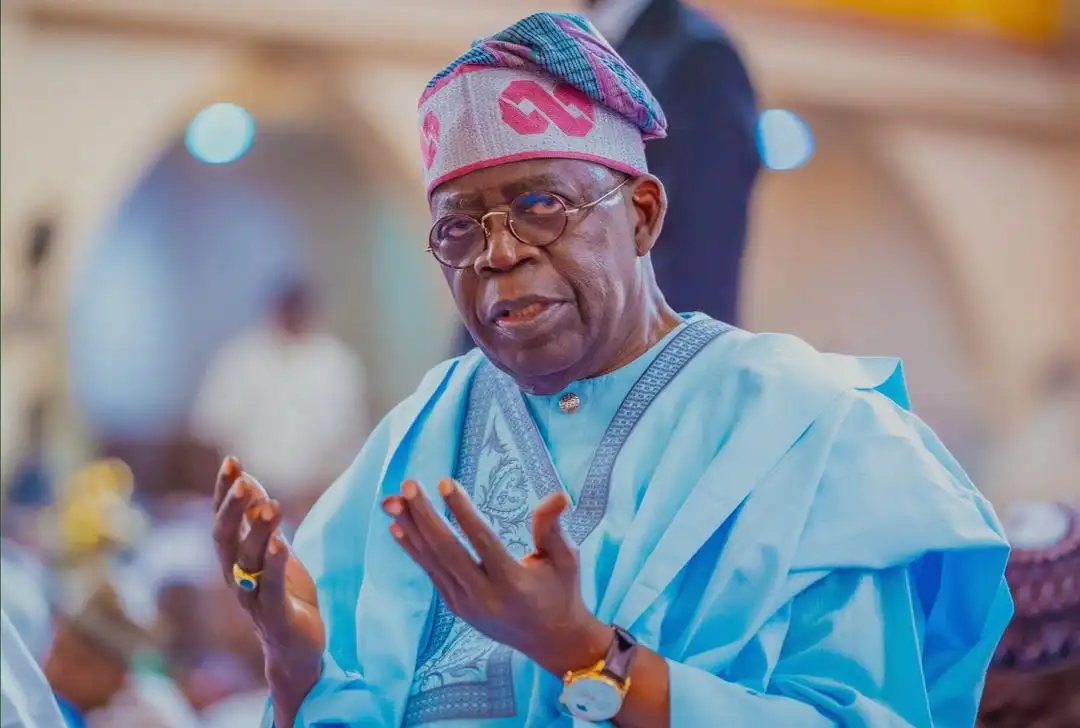
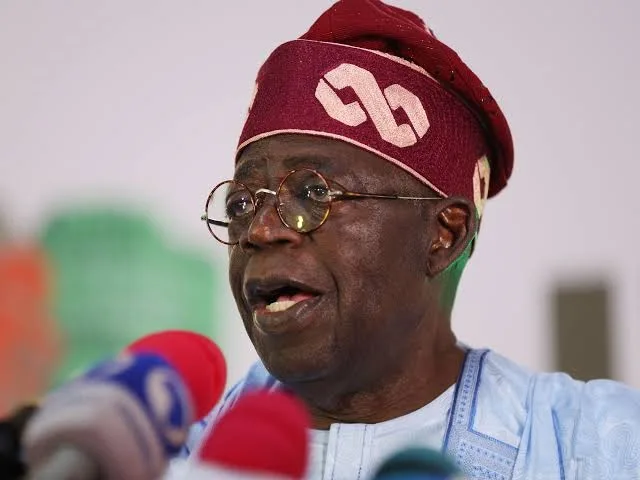
Three years after President Bola Tinubu stood at Eagle Square and declared in five words that would reshape Nigerian economic life that “the subsidy is gone,” the serpentine queues that once strangled filling stations across Africa’s biggest oil producer have become a distant memory. Walk into any petrol station in Lagos, Abuja, or Port Harcourt today and fuel is available. The removal of Nigeria’s petrol subsidy in May 2023 unlocked what the federal government estimated at roughly 4 trillion naira in annual savings, money that had for decades lined the pockets of a shadowy cabal of oil traders, importers, and politically connected middlemen while ordinary Nigerians waited hours, sometimes days, for fuel. By any honest reckoning, the subsidy was a racket, disproportionately benefiting wealthy Nigerians who own multiple vehicles and generators while making Nigeria the only significant oil producer on earth that consistently ran out of its own product.
For Nigeria’s 36 state governors, subsidy removal was the opening bell of a fiscal bonanza. Federation Account Allocation Committee disbursements to the three tiers of government surged to 28.78 trillion naira in 2024 alone, a 79 percent jump from the 16.28 trillion naira shared in 2023, and more than double the 12.36 trillion naira distributed in 2022, according to data from FAAC and policy research firm Agora Policy. State governments alone pocketed 5.186 trillion naira in 2024, a figure that climbed to 7.315 trillion naira in 2025, a further 41 percent increase. Including the constitutionally mandated 13 percent derivation revenue, total inflows attributable to states reached 8.934 trillion naira in 2025. “This is the single most important fiscal reform in 30 years,” one state finance commissioner told journalists in Abuja last month. “Before, the money went to fuel importers. Now it comes to us.”
Yet a c examination of how those funds were deployed suggests the windfall has been treated more as a patronage resource than a fulfillment of social contract obligations. Independent monitoring groups that track public expenditure have documented a troubling disconnect between what states are receiving and what is visibly being delivered. Roads remain broken. Public hospitals remain understaffed and undersupplied. Primary schools in rural local government areas operate without electricity, furniture, or qualified teachers. Only 10 of Nigeria’s 36 state governors had begun paying the 70,000 naira monthly minimum wage to civil servants as of mid 2025, despite receiving record revenues that would make such commitments fiscally manageable.
“With the removal of subsidy and liberalization of the naira, we have seen a significant surge in FAAC allocation,” said Ayokunle Olubunmi, head of financial institutions ratings at Agusto & Co. “But if you look at the level of development in the states, it has not improved when compared to the surge in their revenue.” Nigerians were promised that subsidy removal would fix roads, stock hospitals, and transform public services. Instead, state government balance sheets have been fixed first and foremost. Where billions of naira now flow monthly, visible infrastructure improvements remain conuously absent, raising uncomfortable questions about accountability and the actual destination of public funds.
Sentiment around the broader reform agenda received a boost recently when S&P Global Ratings upgraded Nigeria’s sovereign credit outlook, citing ongoing economic reforms, improving policy credibility, and signs of greater ility in the foreign exce market. Such upgrades carry symbolic importance because sovereign ratings influence how global investors price risk, determine borrowing costs, and assess a country’s economic direction and repatriation frameworks. For that achievement, ordinary Nigerians will grudgingly give credit where it is due. Fuel is now available, and macroeconomic indicators show promising signs of ilization.
But credibility in economic policy cannot be sustained on improved ratings and macroeconomic data alone. Citizens evaluate reform success not by FAAC disbursement figures but by whether their children sit in properly equipped classrooms, whether local clinics have medicine and staff, and whether roads connecting rural communities to markets are passable during the rainy season. As Nigeria approaches another election cycle, the gap between state revenue windfalls and tangible service delivery improvements threatens to undermine public trust in reform itself. Unless state governments begin translating unprecedented fiscal resources into visible improvements in healthcare, education, and infrastructure, the political and social license for continued economic reform may erode, regardless of how sound the underlying policy fundamentals appear to international ratings agencies and economic analysts.

















Leave a comment