

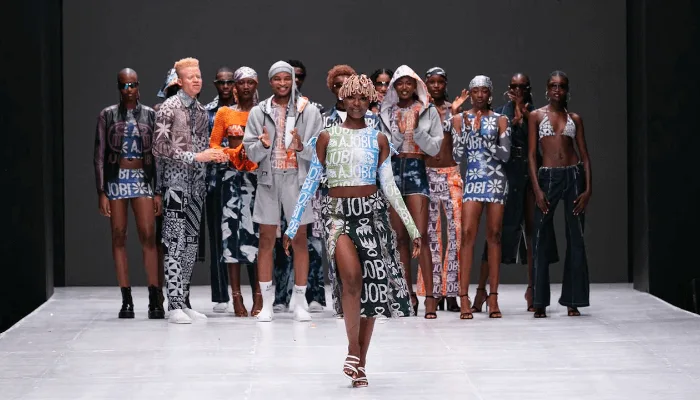
Nigeria’s fashion industry leaders are calling for comprehensive institutional reforms to accompany the Senate’s recent resolution banning foreign textile imports, warning that legislative action alone cannot revive a sector that once employed hundreds of thousands but has hemorrhaged capacity for decades. Funmi Ajila-Ladipo, executive chairperson of the Nigerian Fashion Council, said the collapse of the country’s textile industry reflects not merely unfair competition but systematic underinvestment in standards, capacity building, and critical infrastructure.
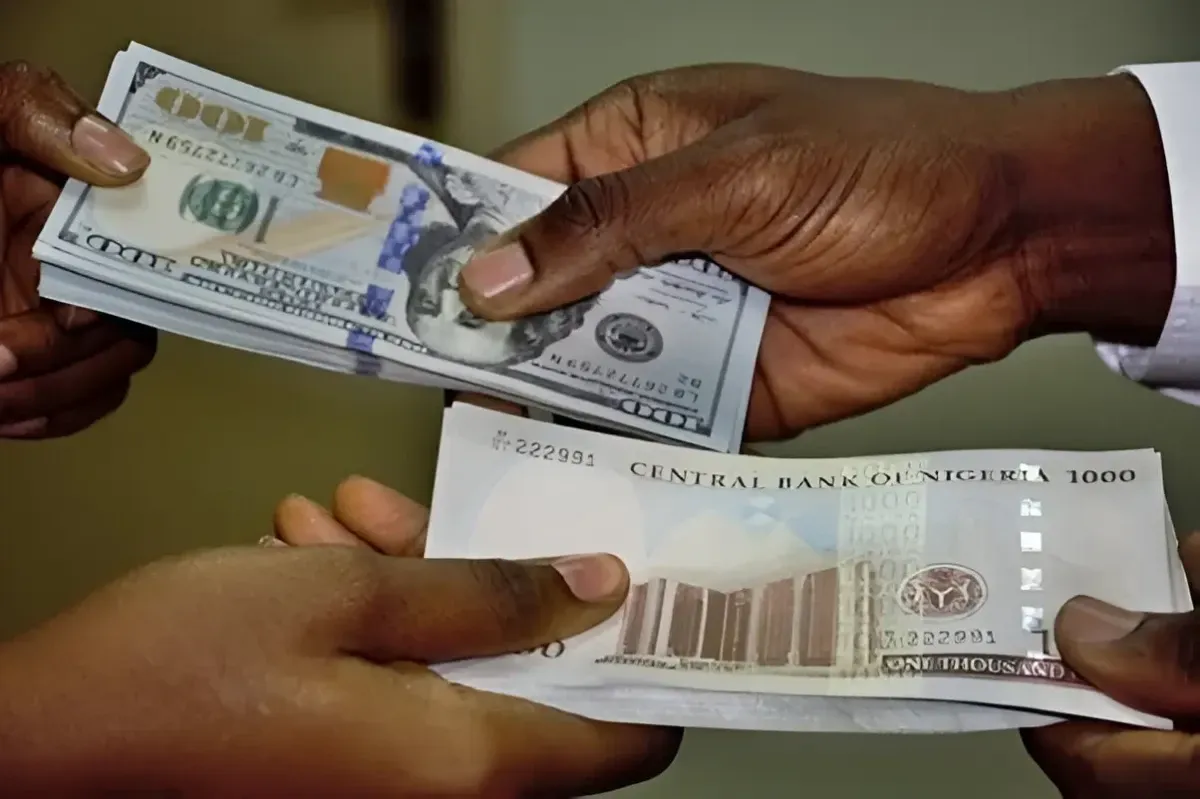
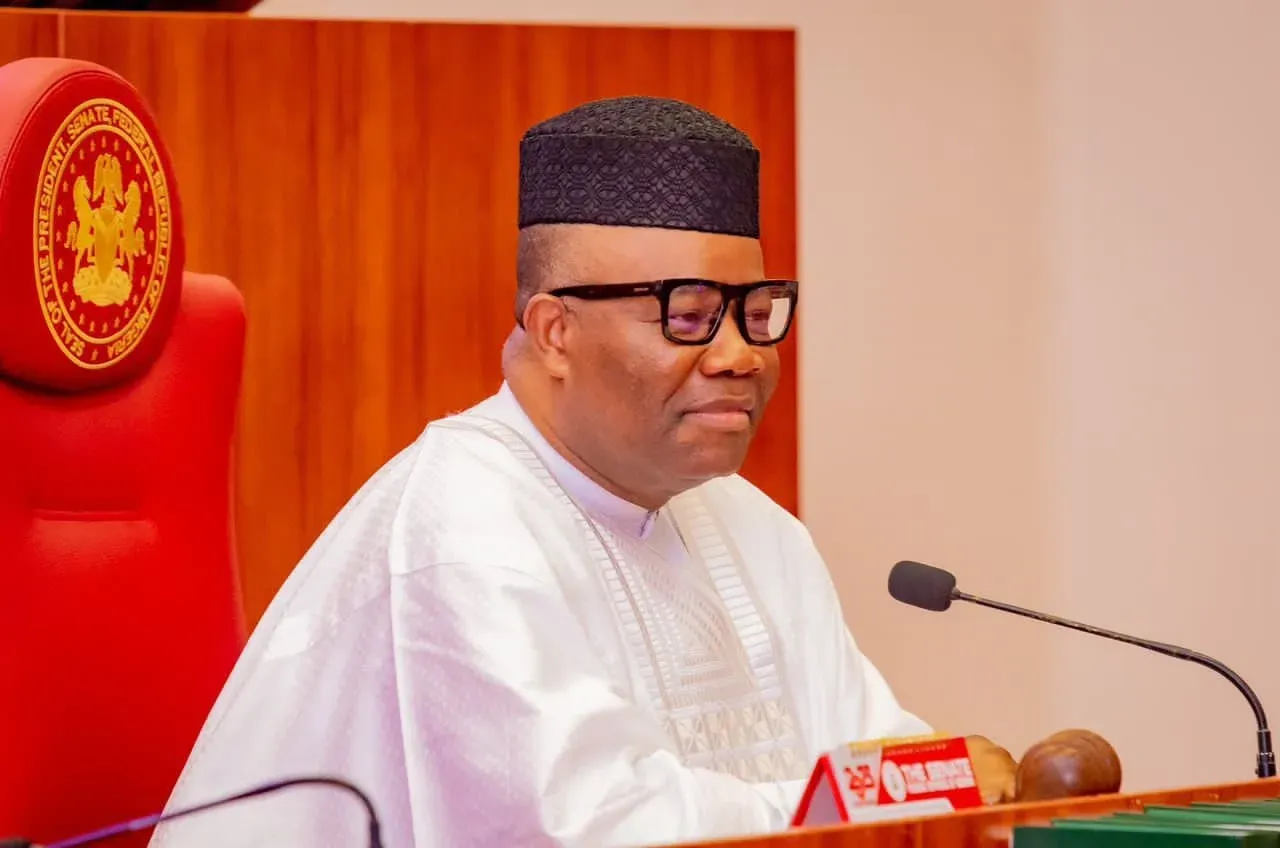
The Senate resolution, passed on 9th June 2026, seeks an outright prohibition on imported textile materials in response to the decimation of a domestic industry that peaked in the 1970s and 1980s with nearly 167 operational mills. Since that golden era, more than 180 mills have shuttered their doors, unable to compete with cheap alternatives flooding in from Asia. Nigeria now spends approximately $4 billion annually importing clothing and footwear through official channels, with an estimated additional $1.2 billion entering via informal and smuggled routes. This occurs even as the domestic consumer fashion market stands valued at over $6.8 billion and analysts project growth to $10 billion in coming years.

The Nigerian Fashion Council, elished as a national sector s council under the Federal Ministry of Education through the National Board for Technical Education, serves as the institutional body responsible for policy development, professional standards, education reform, and sustainability initiatives across the country’s fashion value chain. Speaking on behalf of the organization, Ajila-Ladipo emphasized that policy without implementation infrastructure is destined to fail as previous attempts have demonstrated. What Nigeria requires alongside any import ban is a coordinated national programme building the institutional frameworks and market systems necessary to make a revived textile industry both globally competitive and domestically sustainable, she argued.
The economic stakes are substantial. Africa as a whole runs an annual textile, clothing, and footwear trade deficit estimated by UNESCO at $7.6 billion, with Nigeria accounting for a significant portion of that imbalance. The chasm between what Nigerian consumers demand and what domestic producers can supply represents one of the most glaring economic failures in the nation’s industrial history. Addressing this gap will require synchronized action across multiple fronts, from regulatory frameworks to quality assurance systems, all falling within the Nigerian Fashion Council’s mandate.
Ajila-Ladipo’s Policy Committee is developing recommendations and advocacy positions to guide government engagement across relevant ministries, including Industry, Trade and Investment; Art, Culture, Tourism and the Creative Economy; and Education. Simultaneously, the organization’s Industry and Professional Standards Committee is working to elish professional competency and quality assurance frameworks that will govern production standards throughout the sector. Revived domestic production must meet both national and international quality benchmarks to compete effectively, she noted, making these technical standards as critical as the legislative protection the Senate resolution seeks to provide.
Whether this latest push to resurrect Nigeria’s textile industry succeeds where previous efforts have faltered will depend largely on execution. Legislative declarations and policy pronouncements have come before, only to founder on the rocks of inadequate infrastructure, inconsistent enforcement, and fragmented institutional support. The Nigerian Fashion Council’s emphasis on building comprehensive frameworks before and during implementation suggests a recognition that sustainable industrial revival requires more than protective barriers. It demands patient institution building, ss development, and quality systems that can support an industry capable of serving domestic markets while eventually competing internationally. The coming months will reveal whether political will can be matched with the institutional capacity needed to transform aspiration into economic reality.

















Leave a comment